California Condo Construction Collapses to 3 Percent of New Housing
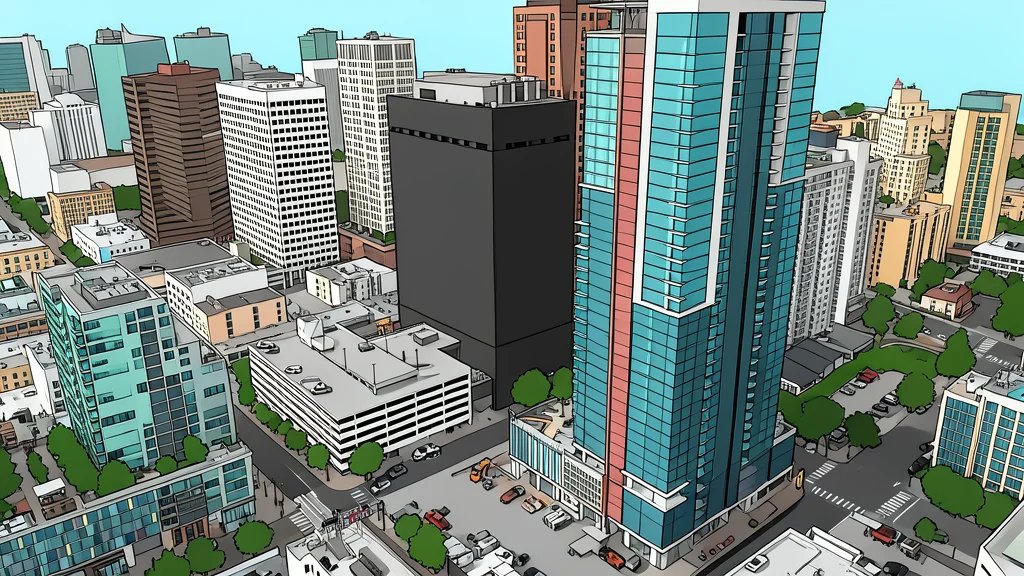
New condo production in California has dropped to just 3% of all multi-unit housing between 2011 and 2021. This decline limits affordable entry-level options for state residents.
Condo construction in California has fallen off a cliff since the early 2000s. Between 2011 and 2021, units accounted for only 3% of all new multi-unit housing. The figure is a sharp drop from historical norms. Canada, with a comparable population, saw condos make up nearly 40% of new multifamily housing in the same decade. The disparity highlights a specific failure in the California market. Entry-level homeownership is becoming harder to access for young families.
Condominiums remain a critical affordable housing segment. They typically cost 15% to 30% less than single-family homes. In the Bay Area, that difference saves buyers roughly $100,000 on down payments. Most new condos are located in urban areas near jobs and mass transit. The lack of supply has worsened the state's broader housing crisis. State Assemblymember Buffy Wicks described the situation as an elephant in the room. She noted that young families have no choice but to look for single-family homes.
2002 Liability Law Drives Litigation
Housing advocates point to a 2002 state law as the primary cause. The statute requires builders to repair or pay for defects for up to ten years. The intent was to ensure safe construction and give owners repair rights. In practice, the law has created a litigation-heavy environment. Homeowner associations can sue on behalf of all residents. This leads to extensive cases over minor or non-structural issues. Some lawsuits address unrealized future problems rather than current defects.
Muhammad Alameldin of California YIMBY stated the system incentivizes litigation. He argued that defects should be repaired immediately without court involvement. The current framework deters developers from building condos. The cost of legal defense and potential payouts makes the product unprofitable. This legal uncertainty has stalled new construction projects. Developers prefer other housing types with lower litigation risks.
Reform Bill Fails Legislative Session
A coalition of lawmakers and advocates sought to change the rules. They proposed reforms to limit litigation and clarify repair processes. The bill had broad support from industry and housing groups. Habitat for Humanity backed the measure. The city of Los Angeles supported the effort. The California Building Industry Association also endorsed the change. The goal was to restore condo production to viable levels.
The bill failed to pass the final vote before the session ended. The legislative window closed without a decision. This outcome is a blow to housing advocates. It leaves the 2002 law in place without modification. The lack of reform continues to suppress condo supply. The housing market remains tight and expensive. Future sessions may revisit the issue, but for now, the status quo holds.
Demographics Exacerbate Housing Shortage
Changing demographics also affect the housing market. California’s population is aging and families are getting smaller. Average household size has declined. This shift means fewer people per home. Vacancy rates remain low despite new housing additions. Housing costs stay high due to persistent demand. The lack of diverse housing types like condos worsens the affordability gap.
Data from GN auto markets/housing: housing prices shows the persistent pressure on buyers. The absence of affordable condo options forces buyers into the single-family market. This drives up prices for all entry-level homes. The situation creates a feedback loop that further discourages construction. Without policy changes, the condo segment may remain dormant. The state continues to lose a key affordable housing tool.