Chalk Dust and Calculated Risk in Seoul
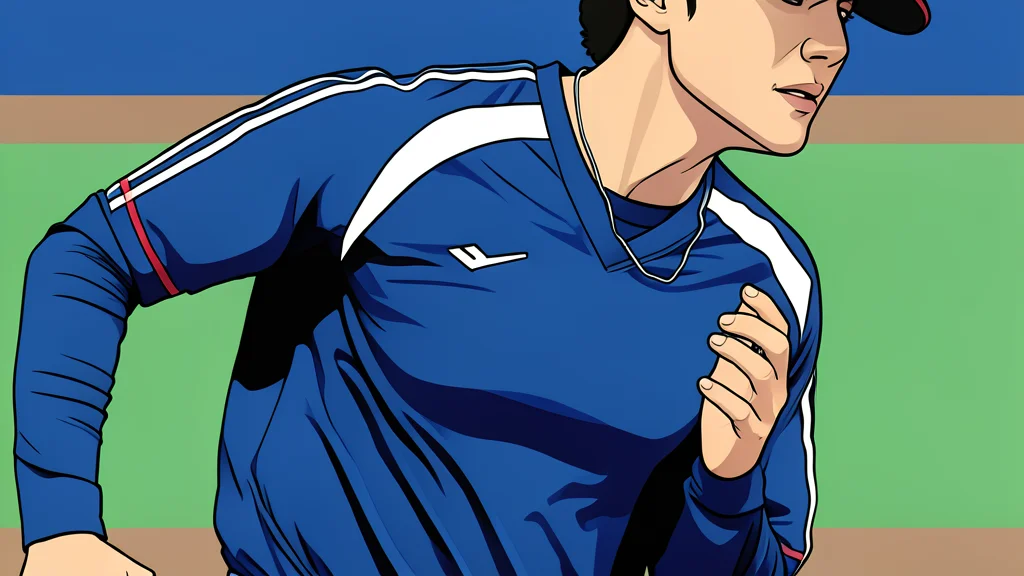
Under the artificial sun of Gocheok Sky Dome, a lineup takes shape not for a regular season, but for a final, high-stakes simulation against the ghosts of future rivals.
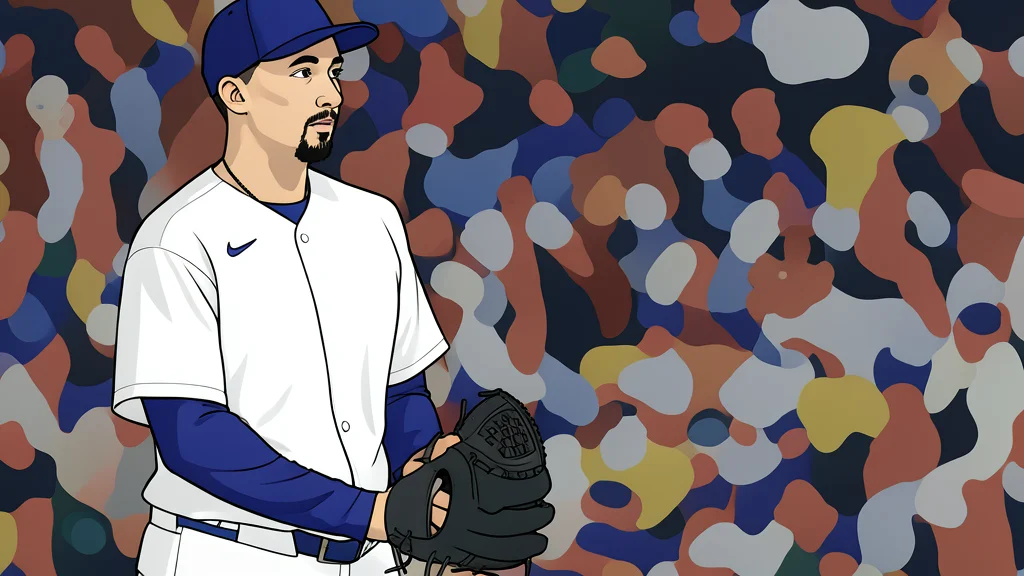
The air in the Gocheok Sky Dome smells of cut grass and heated rubber. It is a sterile, controlled environment, a laboratory for the diamond where the stakes are measured in potential rather than points. Manager Ryu Ji-hyun stands on the mound, his eyes scanning the infield not for the immediate play, but for the geometry of a future conflict. This is not a warm-up; it is an autopsy of strategy performed on the body of the game itself. The ball, white and taut, snaps through the air with a sound like a cracking bone, echoing off the high rafters. Every footfall on the dirt is deliberate, a step in a dance choreographed months in advance. The team is hunting for a fifth consecutive gold medal, and they are sharpening their teeth on a practice opponent who knows he is merely a prop in a larger drama.
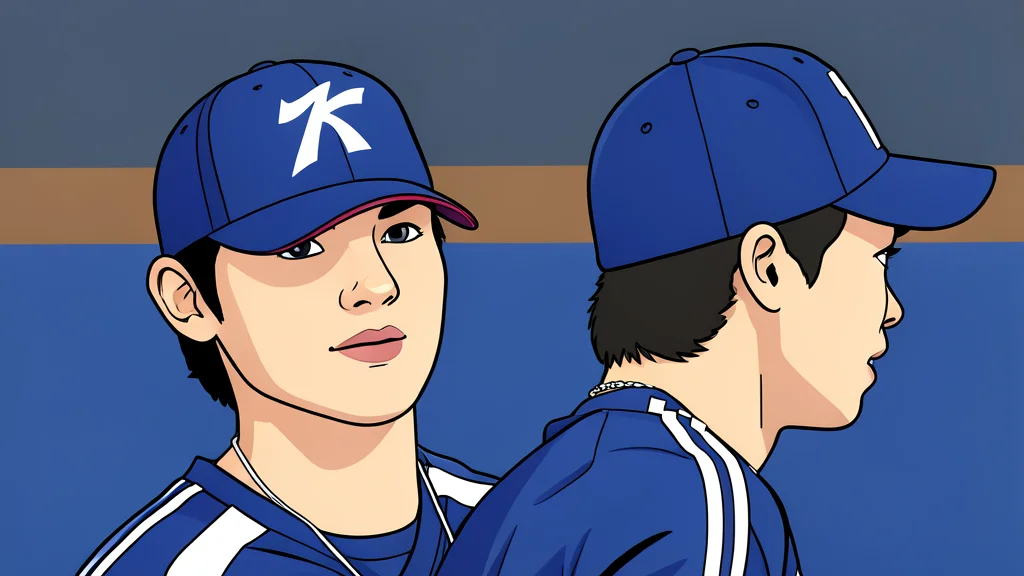
The starting order is a puzzle piece locked into place, designed to counter the specific left-handed threats looming over the 2026 Aichi-Nagoya Asian Games. Kim Do-yeong, the third baseman, stands with a quiet intensity, his body a map of recent surgeries and resilience. Beside him, Moon Hyun-bin and Roh Si-hwan take their stances, muscles coiled. The lineup is a weapon, forged in the fires of tactical analysis. It is a testament to the cold, hard logic that governs elite sport: you do not guess the opponent’s hand, you prepare for the strongest one. The green of the outfield stretches out, a vast, silent ocean waiting to be crossed by the flight of the ball.
Calibrating for Left-Handed Aces
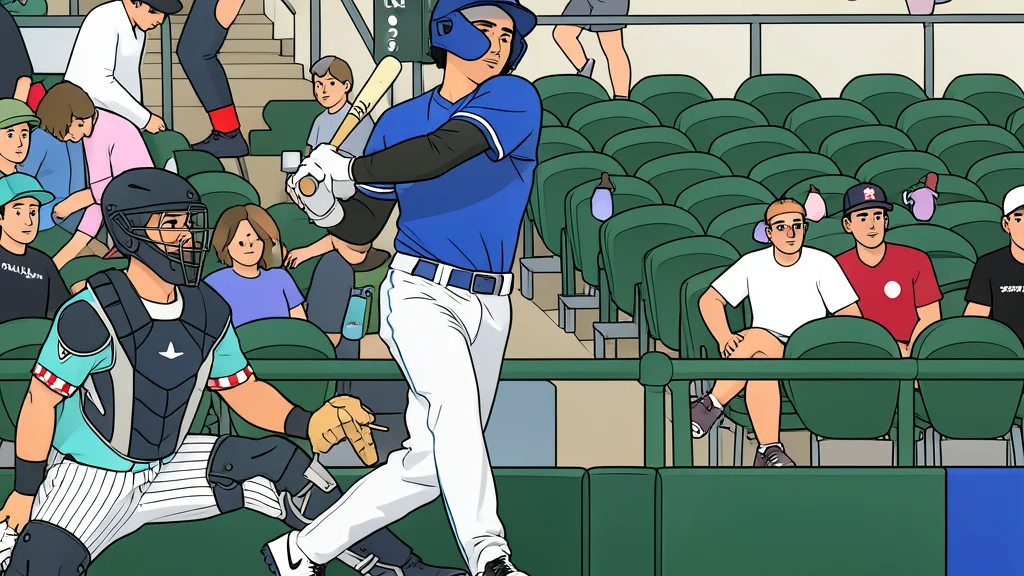
Ryu Ji-hyun’s mind is a chessboard where Taiwan and Japan are the opposing grandmasters. He has identified the weakness in their rosters: a reliance on left-handed starters without the supporting cast of left-handed relievers. This is the crack in the armor. The batting order is arranged not by instinct, but by a surgical counter to this specific flaw. Players with deep experience and sharp form are placed at the top, their at-bats a currency to be spent wisely in a short, brutal tournament. The logic is airtight; the risk is calculated. It is a strategy built on the assumption that the enemy will strike with their strongest weapon, and the response must be equally precise. The air hums with the tension of anticipation, the crowd a distant, muffled roar.
Managing the Fractured Nose
Kim Do-yeong’s presence is a quiet defiance. He underwent nasal bone surgery, a procedure that leaves a lingering ache with every breath, yet he stands ready to bat five times in a single game. This is not bravery; it is maximization. Ryu Ji-hyun knows that having his most skilled player bat multiple times is the only way to guarantee offensive power. Yet, there is a fragility here, a human element that defies the sterile logic of the strategy. Do-yeong played as a designated hitter in a previous game, handling grounders with a grimace. Today, he will field, a short appearance to ease the pressure, to let the muscle memory take over the fear. It is a delicate balance, a dance between risk and reward, played out on the dusty diamond.
Simulating the Extra-Inning Pressure
The game will stretch to eight innings, a deliberate extension to mimic the extra-inning scenarios that could define the Asian Games. The eighth inning is a crucible, a simulation of the high-pressure moments that will decide gold from silver. Choi Joon-yong is chosen to pitch this critical frame, a decision born of conditioning management. Jo Byeong-hyeon and Park Young-hyun are the likely candidates for high-stakes relief, but their bodies need to be preserved. Joon-yong steps in, his arm a piston, his focus a laser. The runners on first and second base are not just players; they are symbols of the chaos that awaits. The ball is thrown, the catch is made, and the simulation ends. The lesson is learned, the muscle memory etched in bone and sinew. The team is ready, or as ready as they will ever be.