Kim Do-Yeong Anchors Third Base for Asian Games
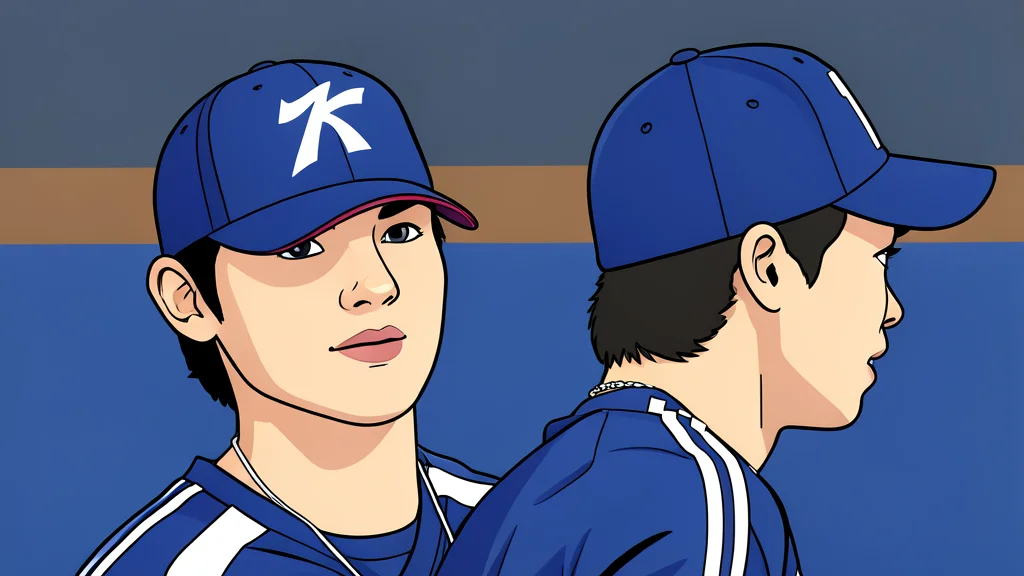
Chalk dust hangs in the Gocheok Sky Dome air as the national squad tests its rhythm. Kim Do-yeong returns to the dirt at third base, leading off a lineup built for pace and pressure.
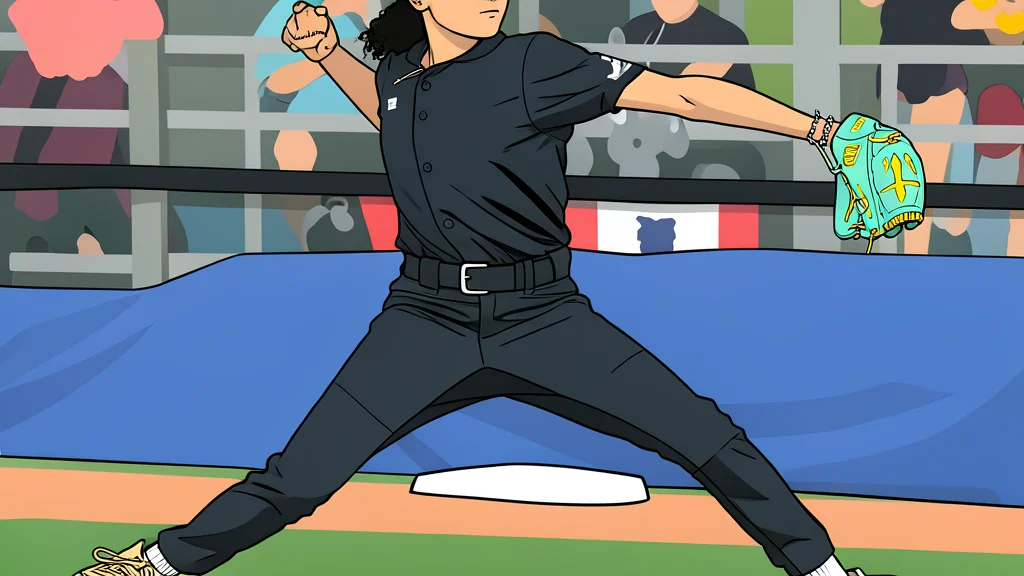
The green grass of the Gocheok Sky Dome stretches under the bright dome lights, a clean canvas for the 2026 Aichi-Nagoya Asian Games preparation. On the 17th, the national team faces the Korean Armed Forces Sports Corps, a tactical scrimmage to sharpen edges before the tournament begins. Head Coach Ryu Ji-hyun stands on the mound, watching the infielders shift their weight, their cleats digging into the clay. The air is still, charged with the quiet intensity of a dress rehearsal.
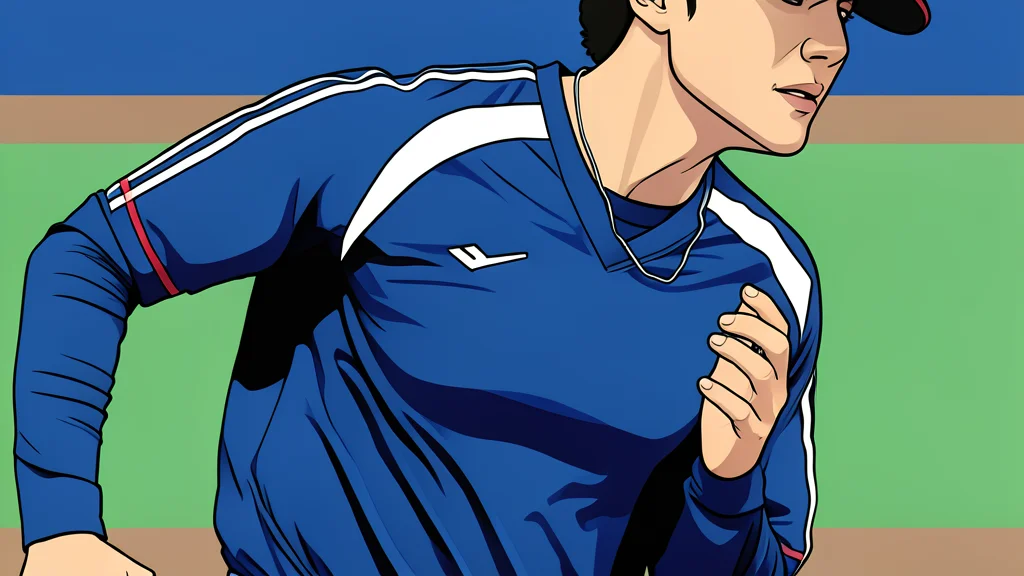
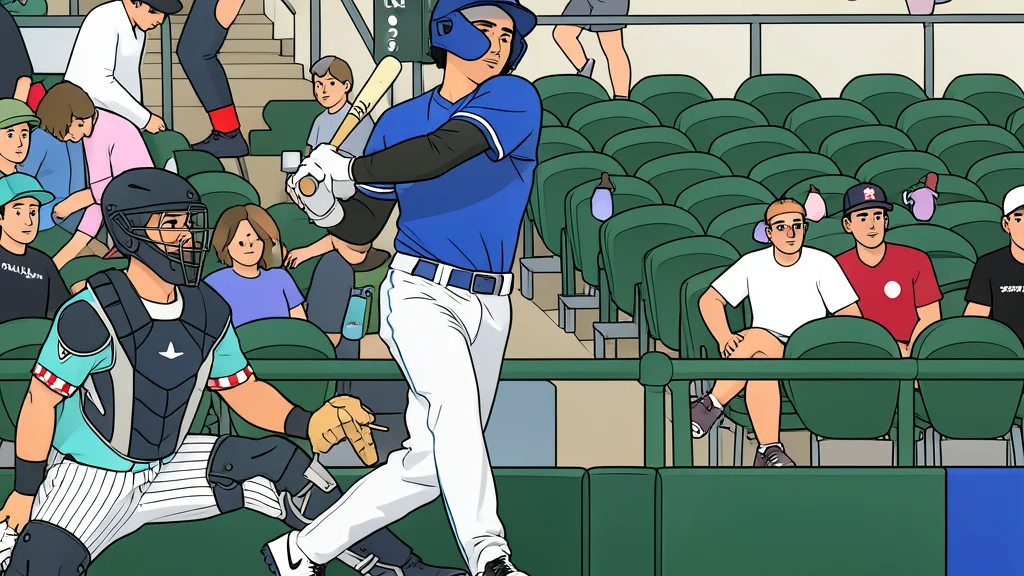
Kim Do-yeong takes his position at third base, the white chalk line crisp against the dark earth. He is not just a fielder here; he is the leadoff batter, a strategic choice to maximize his bat’s impact across more at-bats. Coach Ryu believes in the power of rhythm. By placing the player with the best pace at the top of the order, the team seeks to disrupt the opposition early. The lineup flows behind him: Moon Hyun-bin in left, Roh Si-hwan on first, and Kim Joo-won as the designated hitter. Each player knows their role, their timing, their place in the machine.
Defensive Rhythm Takes Priority
Kim Do-yeong played as a designated hitter last Sunday, a temporary role that left his defensive instincts dormant. Coach Ryu saw the risk. Entering the tournament without recent defensive reps could be a burden, a mental weight that drags on performance. He decided on a different path. At least one inning of fielding, one chance to feel the glove, to track the ball, to make the throw. This adaptation is crucial. It transforms a potential weakness into a ready strength.
The batting order is a calculated sequence. After the first inning, Park Jae-hyun takes the leadoff role, followed by Kim Ji-chan. Kim Do-yeong slots into third, ensuring his bat sees the pitcher multiple times. This rotation is not random; it is a deliberate design to keep the opposing pitcher guessing. The pace is the weapon. The rhythm is the shield.
Pitching Limits and Strategic Rest
The game is capped at eight innings, a constraint born of necessity. Ace Kwak Bin, along with So Hyeong-jun and Choi Min-seok, are held back. Their arms are precious. Coach Ryu negotiated with the opposing team, recognizing that both sides have futures to protect. The Sangmu team is preparing for their own postseason, a parallel battle of endurance. The agreement is simple: no pitcher will throw more than 30 pitches. If the count exceeds that limit, the inning ends. It is a mutual respect of limits, a shared understanding of the body’s boundaries.
The remaining eight pitchers will each take one inning. This rotation keeps arms fresh, minds sharp. It is a test of depth, of trust in the bullpen. The coach wants to see how the team functions under these constraints, how they adapt, how they communicate. The pitch count is not just a rule; it is a philosophy of preservation.
Sudden Death and Tactical Awareness
The eighth inning is a sudden-death tiebreaker. The scenario is specific: runners on first and second, no outs. This is the amateur standard, a high-pressure situation that demands clarity. Coach Ryu wants the players to know this possibility before it happens. Awareness is key. Knowing that such a moment could occur is different from merely experiencing it. It is a mental rehearsal, a pre-visualization of chaos.
Choi Joon-yong is designated for this role. Jo Byeong-hyeon and Park Young-hyun were considered, but the coach chose to spare them. Their conditions need to remain comfortable, their readiness intact. Choi Joon-yong will step in, facing the hypothetical storm. The catchers, Kim Keon-hee and Jo Hyung-woo, will move flexibly, adjusting to the pitchers they are facing. The plan is fluid, responsive, alive. As reported by GN auto sports/multisport: Asian Games, this preparation is about building a team that is ready for any curve, any count, any moment.