Rescoring Old Fights Keeps Boxing Officials Sharp

In the quiet months between tournaments, KwaZulu-Natal officials dissect decades-old controversies, forcing judges to confront their own biases under the scrutiny of history.
The air in the KwaZulu-Natal office is thick with the scent of old paper and the weight of memory. Mlungisi Dube, provincial manager and former trainer, does not speak of the present moment but of the past. He pulls up the footage of a fight from 2000, the grainy image flickering on the screen. The ring officials sit in silence, pens poised, their faces illuminated by the glow of the monitor. They are not judging a live bout; they are dissecting a ghost. This is the ritual that keeps them sharp when the calendar is empty.
Dube uses these dead months, May through August, as a crucible. He selects fights where the outcome sparked fury, where fans shouted and promoters threatened. The goal is not to change history but to test the nerve of those who hold the cards. By forcing officials to score a fight they have already seen, he strips away the adrenaline of the live event and leaves only the cold mechanics of judgment. It is a brutal exercise in objectivity, one that keeps the ring officials on their toes long after the final bell has rung in a distant past.
Dissecting Controversial Decisions
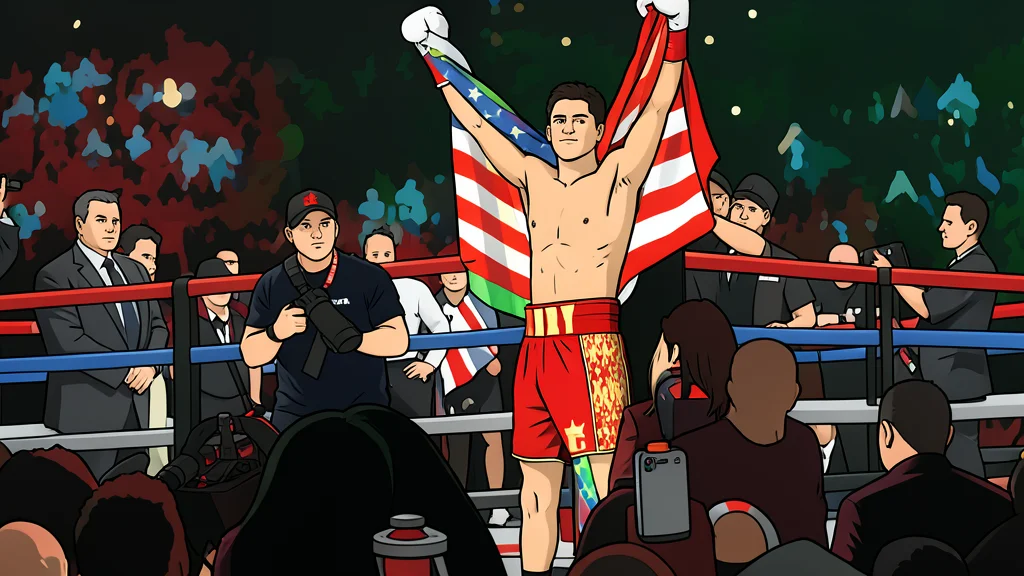
The first assignment is a heavyweight: the WBO junior-flyweight clash between Masibulele Makepula and Jacob Matlala. In February 2000, at Carnival City in Brakpan, Makepula won unanimously. But the margin was a wound that never healed. Matlala’s fans and some officials called the decision outrageous. Promoter Rodney Berman, who staged the bout, admitted the margin was heavy, yet conceded Makepula had done enough to win. Dube asks his officials to score it now. Four of the eight ring officials side with Makepula. The split is a mirror, reflecting the same division that tore the boxing world apart two decades ago.
The second fight is a different beast. Marco Antonio Barrera against Erik Morales, November 27, 2004. Barrera won by majority decision, a result that sparked a storm of debate. These were not local undercards but international idols, their names etched into the pantheon of Mexican boxing. The fight was close, a war of attrition that left both fighters bruised and the public divided. Dube watches the officials score it. Again, the split is four and four. Barrera gets the nod from half, Morales from the other. Dube is satisfied. The scores are not unanimous, but they are honest. The officials have not invented a narrative; they have found the truth in the chaos.
A Pandemic of Poor Officiating
The need for this exercise is not academic. Critics describe the state of ring officiating as a pandemic. Dubious scoring and controversial decisions have become so common that they are no longer exceptions but the norm. Boxers and managers lodge formal appeals with a frequency that suggests a systemic failure. The boxing authorities in South Africa have acknowledged the crisis, but the remedies have been slow to materialize. The officials who score these fights are the last line of defense, and if they falter, the sport loses its integrity.
Provincial Gaps in Training
In July, the Boxing South Africa held a two-day training session in Bloemfontein to address the wave of poor officiating. The session was a stopgap, a band-aid on a bleeding wound. Not all provinces attended, and those that did found the duration insufficient. Dube argues that two days is a joke when the alternative is six months of inactivity. In Limpopo, North West, Kimberly, and the Free State, boxing matches are scarce. Officials there have not scored a fight in months, their skills rusting like an unused engine. Dube’s provincial drills are a necessary supplement, a way to keep the fire alive in the dark months when the national body is silent. As reported by GN sports/boxing (en-US), this grassroots effort is vital in a sport where the stakes are high and the margin for error is zero.