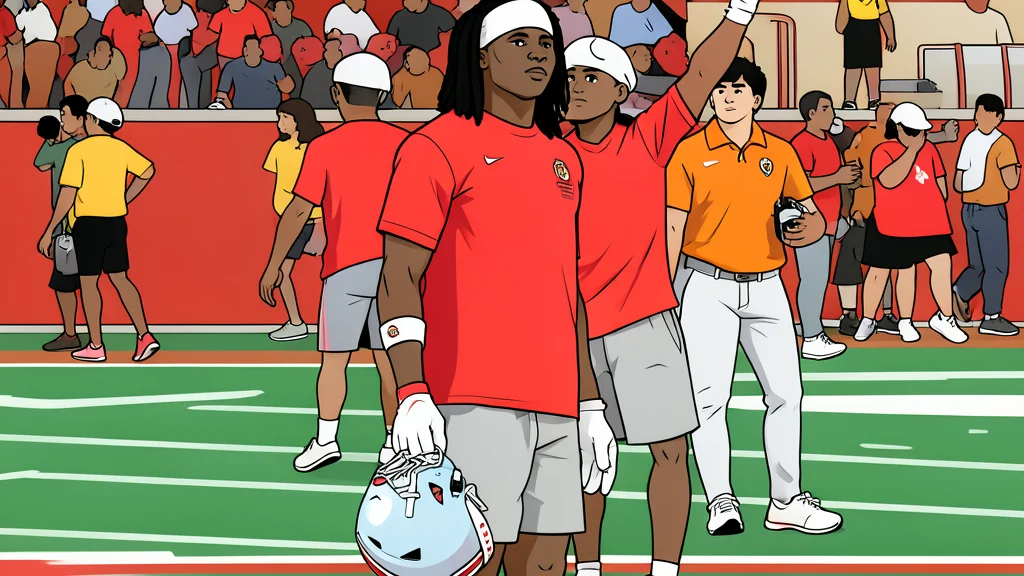
Sarkisian's Silent Exit Stuns National Broadcast After Texas Rally
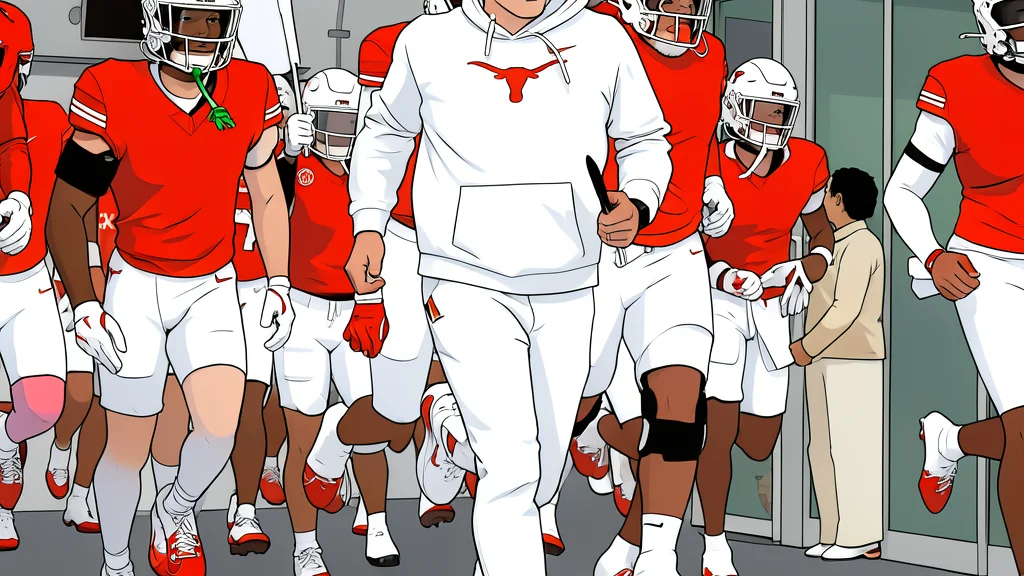
Under the blinding glare of DKR Stadium lights, the celebration turned awkward as the head coach walked away from the national spotlight to join his players in song.
The air in Austin was thick with the electric hum of a crowd that had barely stopped holding its breath. Number three Texas football had pulled off a 24-23 comeback victory over top-ranked Ohio State, a feat that left the green field trembling with the residual energy of the Longhorns’ final drive. But the postgame ritual, usually a theater of high-decibel praise and strategic debriefing, fractured in a moment of quiet defiance. Steve Sarkisian did not seek the microphone. He did not seek the camera lens. He simply turned his back on the national stage, leaving the broadcast team stranded in the sudden silence of their own expectations.
It was a stark rejection of the standard postgame choreography. While the Buckeyes’ locker room likely buzzed with confusion over their collapse, the Longhorns’ sideline offered a different kind of narrative. Sarkisian’s absence from the spotlight was not a mistake; it was a choice made twice, first at halftime and then again in the immediate aftermath of the final whistle. The decision stripped the victory of its media gloss, replacing the polished soundbites with the raw, unfiltered noise of a team celebrating on its own terms. As reported by Yahoo Sports, the incident highlights a growing tension between the demands of national television and the internal culture of a program that values collective triumph over individual exposure.
The Empty Mic and the Crowd
The moment crystallized when Holly Rowe, ABC’s sideline reporter, stood alone in front of the stadium’s red seats. She was positioned for the interview, the standard conduit for the coach’s insights. Instead, Sarkisian approached, made eye contact, and gestured toward the tunnel. He signaled that he was going to sing "Texas Fight" with his team. The motion was decisive, a physical severing of the link between the coach and the network. Rowe was left standing in the open, the microphone in her hand suddenly heavy and purposeless. The camera remained fixed on her, capturing the awkward stillness of a broadcast interrupted by a coach who prioritized his players over the public record.
This was not the first time the broadcast had lost its subject. Earlier in the night, Laura Rutledge had found herself in a similar predicament at halftime. The Texas team had trailed 20-3, a deficit that felt insurmountable. Sarkisian had waited with Rutledge, enduring technical difficulties that delayed the start of the interview. When the wait became too long, he moved toward the tunnel, leaving Rutledge to explain the situation to the viewers. She apologized for the delay, noting that the coach had been patient but ultimately needed to leave. The incident set the tone for the rest of the evening: Sarkisian was not the type to be pinned down by the clock or the camera.
Technical Delays and Player Focus
The narrative surrounding the refusal is complicated by the technical hiccups that plagued the ABC broadcast. Rutledge clarified on air that Sarkisian had waited a significant amount of time during the halftime break, only to leave when the technical issues persisted. She emphasized that the coach had apologized for his departure, and she, in turn, apologized for the holdup. This exchange suggests that the postgame snub was not necessarily an act of aggression, but rather a culmination of a day where the network’s production values clashed with the coach’s desire to be present with his team. The technical difficulties created a friction that Sarkisian may have chosen to avoid entirely after the game.
Whether the refusal was a direct reaction to the earlier difficulties or a simple immersion in the joy of the comeback remains a matter of interpretation. The coach’s decision to lead his team in the school song was a visceral, sensory act. It was a moment of unity, of voices joining in a chant that echoed off the stadium walls. By choosing this over the interview, Sarkisian reinforced a priority that resonated with the fans in the stands. The victory was not just a statistical anomaly; it was a collective emotional release. The coach’s silence was, in a way, louder than any quote could have been.
A Quiet Statement of Identity
In the landscape of modern college football, where every second is monetized and every word is analyzed, Sarkisian’s actions stood out as a deliberate retreat from the spectacle. He made himself scarce to the national audience, ensuring that the focus remained on the players’ performance rather than his own commentary. This choice aligns with a broader trend among coaches who view the postgame interview as a necessary evil rather than a platform for personal branding. By walking away, Sarkisian protected the sanctity of the locker room celebration. The image of the coach turning his back on the camera and walking into the tunnel with his team has become a defining visual of the night, a symbol of a program that values its internal identity over external validation.
The aftermath of the game is already being dissected, with commentators debating whether the Ohio State loss was a choke or a Texas rally. But for the Longhorns, the memory of the night is less about the score and more about the moment their leader chose to disappear into the crowd. It was a small, physical act that carried a large symbolic weight. In a sport saturated with noise, the silence of a coach who refuses to speak is often the most powerful statement of all. The lights of DKR Stadium dimmed, but the echo of "Texas Fight" remained, a testament to a team that found its voice without needing a microphone.