Adesanya Criticizes UFC for Releasing Venom Page Amid Tuivasa Controversy
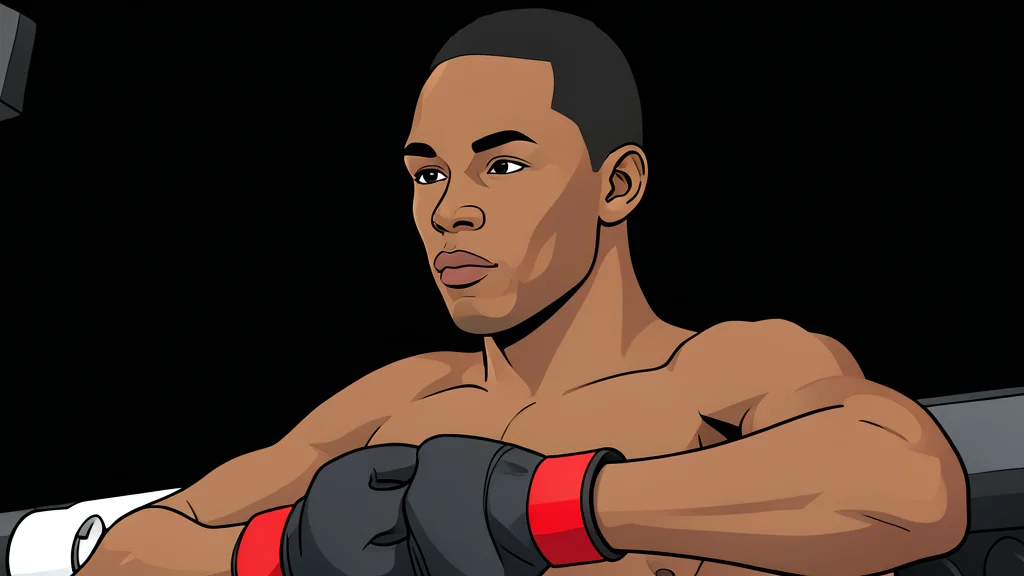
Israel Adesanya argues the UFC made a mistake by dropping Michael Page while retaining Tai Tuivasa despite his long losing streak.
Key points
- Michael Page was released by the UFC after his final contract fight at UFC Paris, leaving him a free agent.
- Israel Adesanya criticizes the decision, noting that Tai Tuivasa remains on the roster despite an eight-fight losing streak.
- Page finished his UFC tenure with a 5-1 record, with his only loss coming against Ian Machado Garry.
The cage lights dimmed over Paris, but the silence that followed Michael Page’s final bell was louder than any crowd. He stood in the center of the octagon, breathing hard, having just survived a grueling exchange. It was a victory, technically his fifth from six fights under the UFC banner, yet the air felt cold. The matchmakers had watched from the shadows, their eyes not on the win, but on the lack of spectacle. They had seen enough. The decision was already made before the referee raised his hand.
Now, free agency hangs over Page like a storm cloud. He is a man in the market, his contract expired, his future uncertain. But the shockwave of his release has rippled far beyond his own camp. Israel Adesanya, the former champion, has stepped into the fray, his voice sharp with indignation. He does not see a business decision; he sees a double standard. To Adesanya, the UFC’s treatment of Page is a glaring error, a misstep that contradicts the logic the promotion has applied to others.
A Double Standard in Roster Management
The comparison Adesanya draws is stark and uncomfortable. While Page was cut after a single loss to Ian Machado Garry, Tai Tuivasa remains on the roster despite enduring an eight-fight losing streak. The disparity is difficult to justify on pure merit. Adesanya, who has navigated the complex machinery of UFC management, points out the human element behind the corporate decisions. He suggests that deals are often negotiated on a case-by-case basis, influenced by factors that go beyond fight records. Yet, in Page’s case, the outcome feels arbitrary to the former champion.
The Nature of Page's Fighting Style
Page is not a showman in the traditional sense. He is a durable, elusive fighter who refuses to be knocked down. Adesanya describes the experience of fighting a man like Page: you hit, you pepper, you apply pressure, but your opponent simply waits. He does not attack; he absorbs. He looks for the free opportunity, the moment of hesitation. It is a style that frustrates opponents and confuses audiences looking for explosive action. To the UFC brass, perhaps, it lacks the instant gratification they seek. But to Adesanya, it is a testament to resilience.
Expectations vs. Reality in the Octagon
The UFC brought Page in from Bellator as a significant investment, expecting him to bring a level of excitement that matched his reputation. They saw a winner, but perhaps not the type of winner they envisioned. Adesanya argues that the promotion failed to appreciate what Page was actually delivering. He was winning, he was durable, he was a threat. The desire for a different flavor of entertainment led to a decision that Adesanya believes was misguided. In the end, the UFC prioritized their desired narrative over the fighter’s proven ability to endure and conquer.