Gasly Condemns Threats After Madrid On-Track Clash

Pierre Gasly reveals family threats following his dispute with Franco Colapinto in Spain, urging F1 to police digital conduct.
Key points
- Pierre Gasly revealed that he and his family received threats following a race incident with teammate Franco Colapinto in Spain.
- Colapinto publicly condemned the abuse, urging his passionate fanbase to stop targeting drivers and focus on team success.
- Gasly described the online toxicity as 'completely inappropriate' and called for F1 to create a healthier environment for athletes.
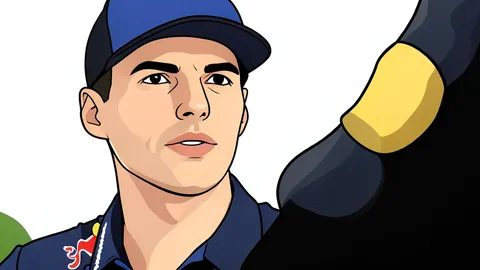
The rain in Baku had long since dried from the asphalt, but the chill of the past fortnight still clung to the air. Pierre Gasly stood before the press, his voice steady yet heavy with a weariness that transcended physical fatigue. He was not there to discuss lap times or tire compounds, but to address a shadow that had followed him from the Madrid circuit: a barrage of threats that pierced the veil of anonymity to reach his home.
It began two weeks ago, on the final laps of the Spanish Grand Prix, where the rubber met the tarmac in a tense dance between Alpine teammates. As Gasly’s tires aged, the gap to his teammate Franco Colapinto narrowed. The radio crackled with urgency, the team warning of the approaching rival, yet Gasly held his line. The silence that followed was broken not by a crash, but by a digital storm, a wave of abuse that turned a racing incident into a personal siege.
Threats Extending Beyond The Track
Gasly described the online reaction as "completely inappropriate," a phrase that carried the weight of violation. The abuse did not stop at the driver; it spilled over to his girlfriend and family, transforming a professional rivalry into a domestic threat. He acknowledged the exposure inherent in being a top athlete, a reality as old as the sport itself, but drew a sharp line at the nature of the attacks. "It’s always been the case," he noted, "but to that extent of threats and attacks... it is completely inappropriate."
The Spanish Grand Prix incident had ignited a fire that burned long after the chequered flag. In Baku, the Frenchman detailed how the toxicity of the comments section had evolved, moving from mere criticism to targeted harassment. He urged the sport to evolve, to find a way to make Formula 1 a healthier environment where the line between passion and malice is clearly drawn and strictly enforced.
Colapinto Urges Fans To Stop
On the other side of the garage, Franco Colapinto shared the burden of the backlash. The Argentine, whose passionate fanbase has become a visible force at every grand prix, condemned the behavior directed at his teammate. He called for unity, urging his supporters to focus on results rather than fueling online vitriol. "We are always working as a team, and it’s not nice to see it," Colapinto said, his tone reflecting a desire for collective strength.
Colapinto referenced the precedent set by Yuki Tsunoda’s ordeal last year, where stewards intervened after similar abuse. He recognized the commonality of such incidents in modern racing, a byproduct of the digital age where keyboards offer a shield for cruelty. He appealed to the fans’ passion, asking them to channel their energy into supporting the team’s progress rather than attacking its members.
A Call For Cultural Shift
Both drivers agreed that the current trajectory is unsustainable. The ease of anonymous attack has eroded the camaraderie that should define the paddock. Gasly emphasized that while dislike is a natural part of competition, the crossing of certain ethical lines is a failure of the sport’s culture. He called for a systemic response, suggesting that the governing bodies must do more than just monitor, but actively shape a healthier digital ecosystem.
As the cameras in Baku clicked, capturing the faces of two men who had just navigated a storm of their own making, the message was clear. The track may be a place of intense emotion, but the digital realm should not be a place of harm. The sport stands at a crossroads, where the passion of the fans must be reconciled with the dignity of the athletes, a balance that will define the future of Formula 1.