Nagoya Asian Games Open with Cruise Ship Village and Record Delegation
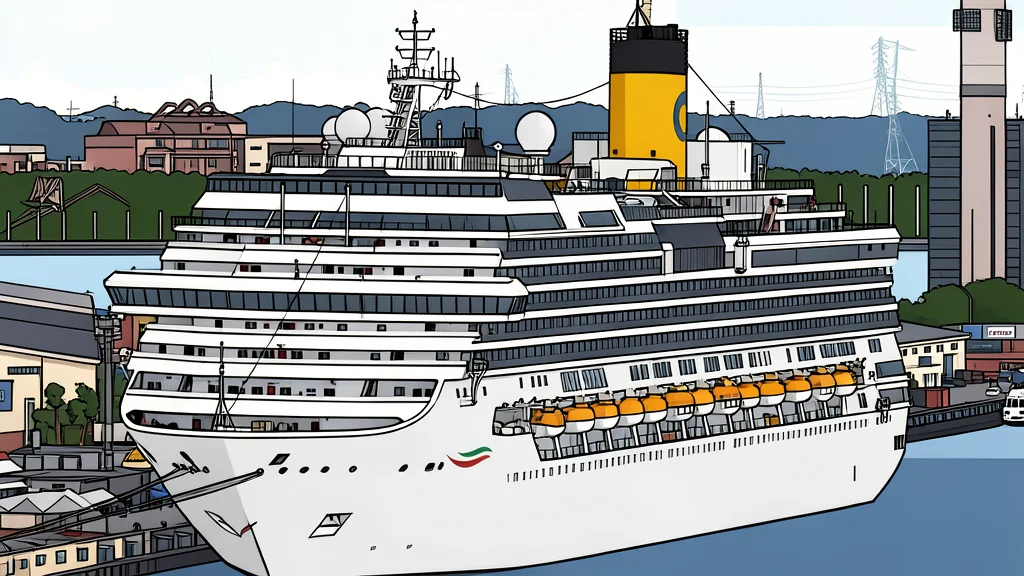
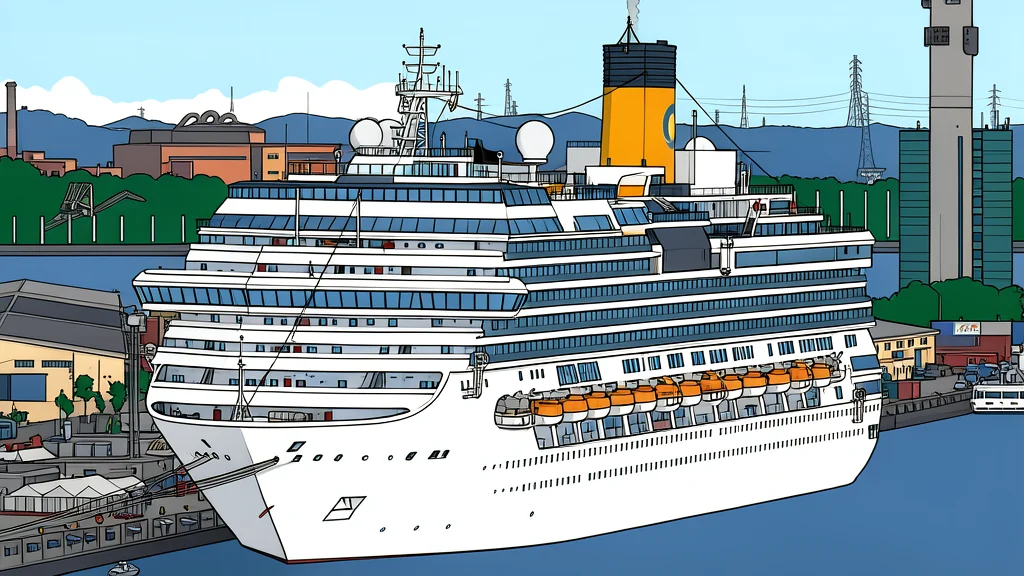
The Costa Serena pierces the harbor mist, serving as a floating dormitory for 5,000 athletes. Japan’s third hosting attempt relies on logistics over legacy, fielding a record-breaking crowd of over 11,000 competitors.
Salt spray clings to the white hull of the Costa Serena as it rests against the Nagoya pier. This is not a vacation destination. It is a floating village, a temporary city built on steel and water to house five thousand athletes and officials. The organizers skipped the traditional concrete mega-structure, a deliberate cost-saving measure following the billions spent on the delayed Tokyo Olympics. Instead, the city’s industrial skyline looms behind the ship, a backdrop of central Japan’s Pacific coast where the metro area swells to 9.5 million people.
The scale of the event defies easy categorization. While often viewed as the shadow to the Summer Olympics, the Asian Games in Nagoya actually outpace Paris 2024 in sheer volume. More than 11,000 athletes are registered, a number that has soared beyond initial projections. The roster spans 45 nations and regions, from Afghanistan to Yemen, including a refugee team representing the Olympic Council of Asia. It is a crowded, high-stakes gathering where the bed sizes in local hotels have already drawn complaints from basketball players, forcing a last-minute scramble to secure sufficient space.
A Diverse Sporting Landscape
Forty-three sports will be contested, blending Olympic staples with regional exclusives. Track and field, swimming, and soccer anchor the program, but the schedule also features kabaddi, sepaktakraw, and kurash. New additions like teqball, padel, and mixed martial arts expand the competitive field. This variety reflects the games’ identity as a distinct continental showcase, distinct from the global Olympic calendar yet deeply rooted in Asian athletic traditions.
Delegations and Dominance
Host Japan fields the largest contingent with approximately 900 athletes. China, despite a population of 1.4 billion, sends 815, a number that includes swimming prodigy Yu Zidi. Last year, the 12-year-old placed fourth in three individual events at the World Championships in Singapore. Hong Kong, with only 7.5 million residents, sends an extraordinary 580 competitors. North Korea’s presence is smaller, with about 100 athletes, a decrease from the nearly 200 sent to Hangzhou in 2023. The nation skipped the Tokyo Olympics entirely, making this a notable return to the Japanese stage.
Historical Context and Records
The 2023 Hangzhou games set a benchmark that Nagoya must now match or exceed. China dominated that medal table with 201 golds, followed by Japan with 52 and South Korea with 42. India, Uzbekistan, and Taiwan rounded out the top six. For Nagoya, the challenge is logistical as much as competitive. Imroze Ahmed, head of the Bangladesh delegation, acknowledged the initial housing crunch but expressed confidence that the issues will settle as the games ramp up. He dismissed blame, citing the inherent complexity of organizing such a massive international event.
Reporting by GN auto sports/multisport: Asian Games highlights the unique blend of tradition and innovation in this edition. The games run through October 4, a period where the city’s industrial rhythm merges with the pace of elite competition. The Costa Serena remains the visual anchor, a white monolith in the harbor that symbolizes the pragmatic, if unconventional, approach to hosting the world’s second-largest multisport festival.