Nagoya's Floating Village and Asian Games Scale
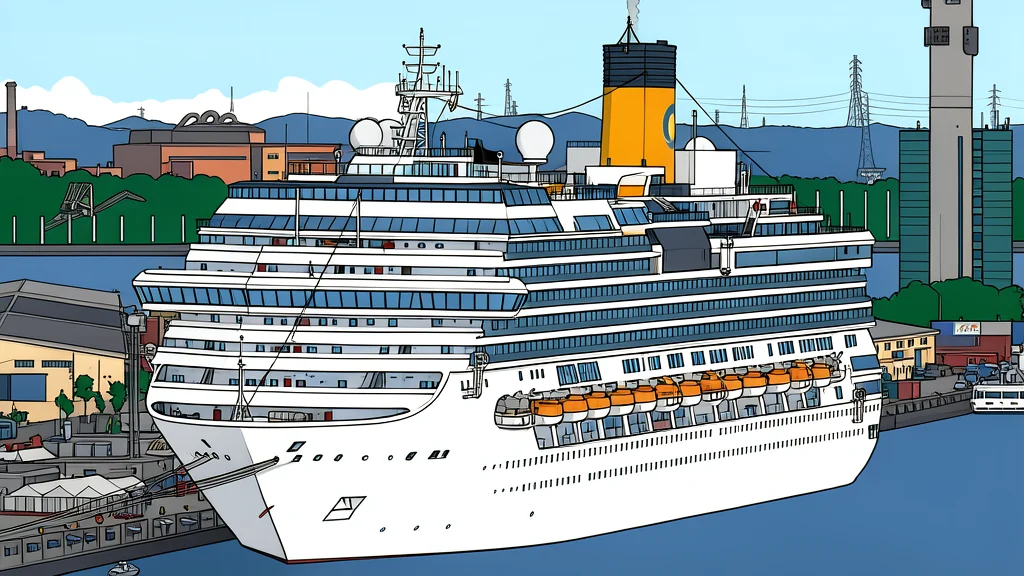
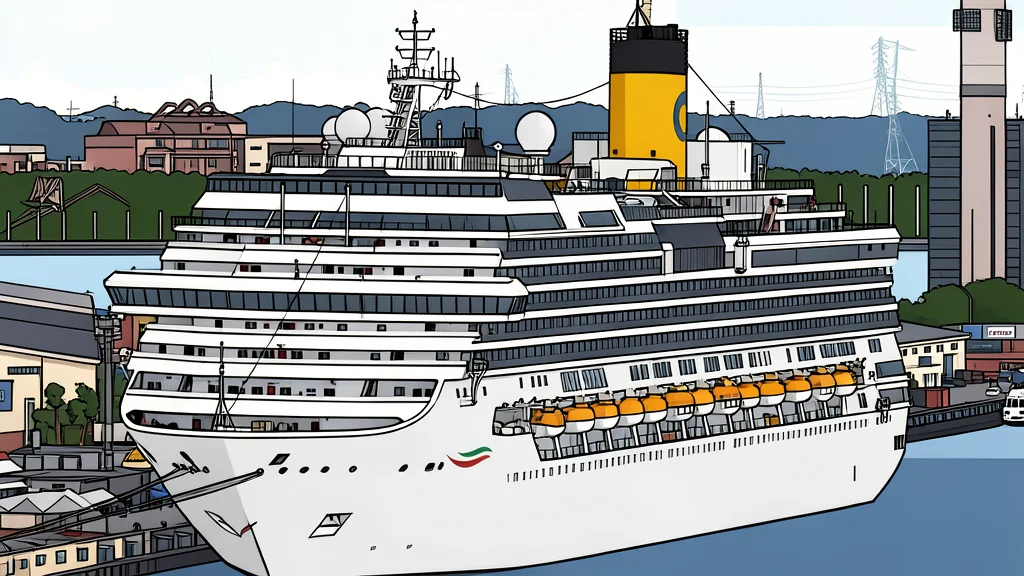
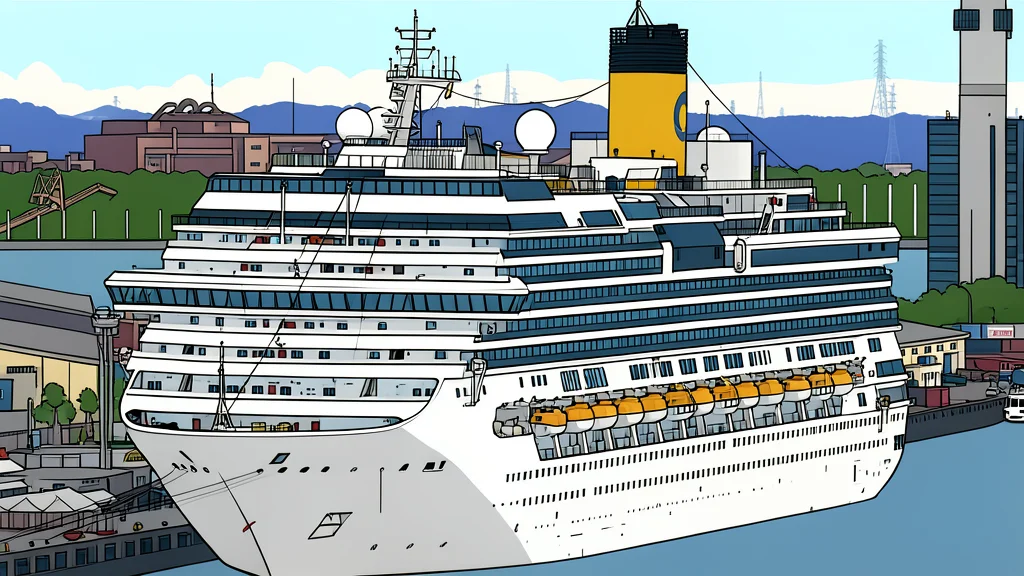
A white hull cuts through the harbor mist as the Costa Serena docks, a floating dormitory for thousands of athletes in Japan's industrial heartland.
The Costa Serena slides into the Nagoya harbor, its white superstructure rising against the grey Pacific sky. It is not a vacation liner but a floating village, a temporary home for up to five thousand athletes and officials. The ship looms over the pier, a stark contrast to the concrete industrial skyline of Japan’s third-largest metropolitan area. This vessel anchors the logistical backbone of the Asian Games, a decision born from a desire to save money after the billions spent on the delayed Tokyo Olympics.
Saturday marks the opening of the 2025 Games, the second most significant multisport event on the calendar. The competition runs through October 4, a period that defines the rhythm of this industrial city on the central coast. The atmosphere is one of urgent preparation, with containers converted into dormitories and hotels stretched to capacity. The scale is immense, yet the infrastructure remains a patchwork of solutions, a testament to the logistical challenges of hosting over eleven thousand competitors.
Diverse Disciplines and Historic Rivalries
Forty-three sports define the program, a mix of Olympic staples and regional specialties. Track and field, swimming, and soccer form the core, but the lineup expands into unique territories. Kabaddi and sepaktakraw test agility and teamwork, while jiujitsu and kurash wrestling showcase martial precision. Newer additions like teqball and padel broaden the scope, creating a tapestry of competition that is distinct from the global Olympic stage. The variety ensures that every nation, from Afghanistan to Yemen, finds a field to contest.
History weighs heavily on the podium. China dominated the 2023 edition in Hangzhou with 201 gold medals, followed by Japan with 52 and South Korea with 42. These numbers set the benchmark for this year’s clash. North Korea’s presence is notable, with a delegation of about 100 athletes, a significant reduction from the nearly 200 sent to China three years ago. The geopolitical undercurrents run deep, but on the field, the focus is on performance and the accumulation of medals.
Logistical Strain and Athlete Comfort
The sheer volume of participants strains the city’s resources. With over 11,000 athletes and 17,000 officials, the games exceed the size of the 2024 Paris Olympics. Organizers have acknowledged that numbers soared above expectations in recent months, leading to a last-minute scramble for accommodation. The typical Japanese hotel room, compact by international standards, has drawn criticism. Basketball players, in particular, have complained that the beds are too short for their frames.
Imroze Ahmed, head of the Bangladeshi delegation, acknowledges the friction but urges patience. He suggests these issues will settle as the games gain momentum. The situation highlights the tension between grand ambition and practical reality. Yet, the athletes remain focused. They are here to compete, to test their limits, and to add their names to the record books of the Asian Games, as reported by GN auto sports/multisport: Olympic Games.
Rising Stars and National Pride
Among the delegations, young talents shine. Yu Zidi, a 12-year-old swimming prodigy from China, captured attention at last year’s World Championships. She placed fourth in three individual races, including the 200 and 400-meter individual medley. Her performance in Singapore signaled a new era for Chinese swimming. Now, she arrives in Nagoya with the weight of national expectation, ready to push for gold in a field that is larger and more competitive than ever before.
Japan, the host, fields its largest delegation with about 900 athletes. This domestic strength is matched by the extraordinary output of smaller regions. Hong Kong, with a population of only 7.5 million, sends nearly 580 competitors. This level of participation defies simple demographic logic, driven by a deep cultural investment in sport. As the Costa Serena remains docked, a silent witness to the preparation, the city braces for the roar of the crowds and the intensity of the competition.