Nagoya Games: A Floating Village and 11,000 Athletes
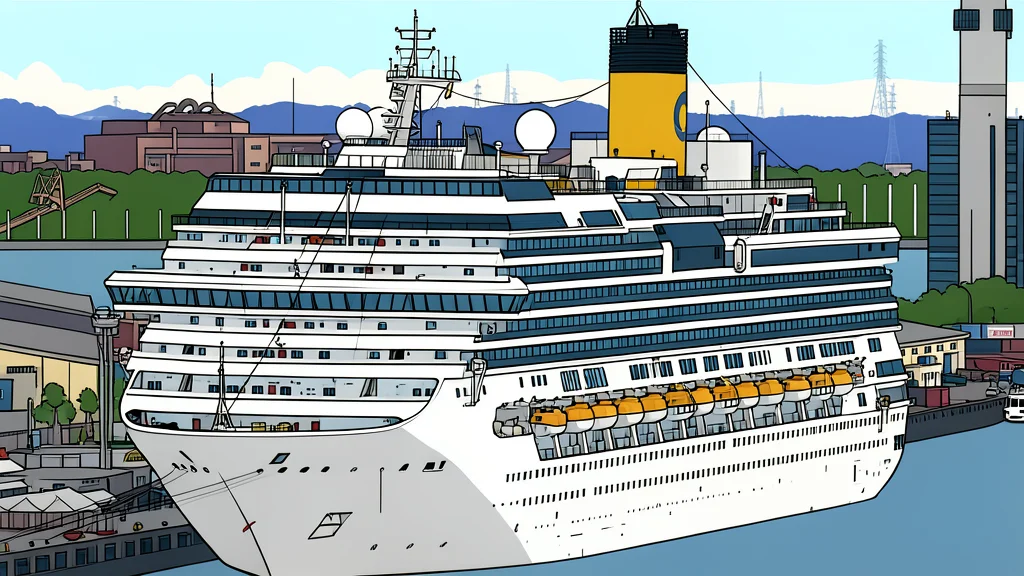
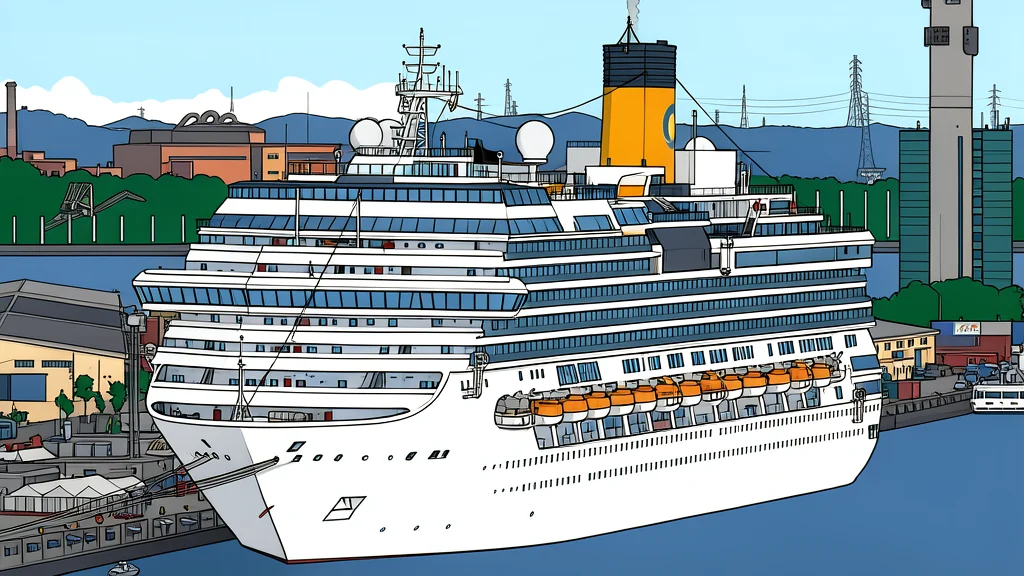
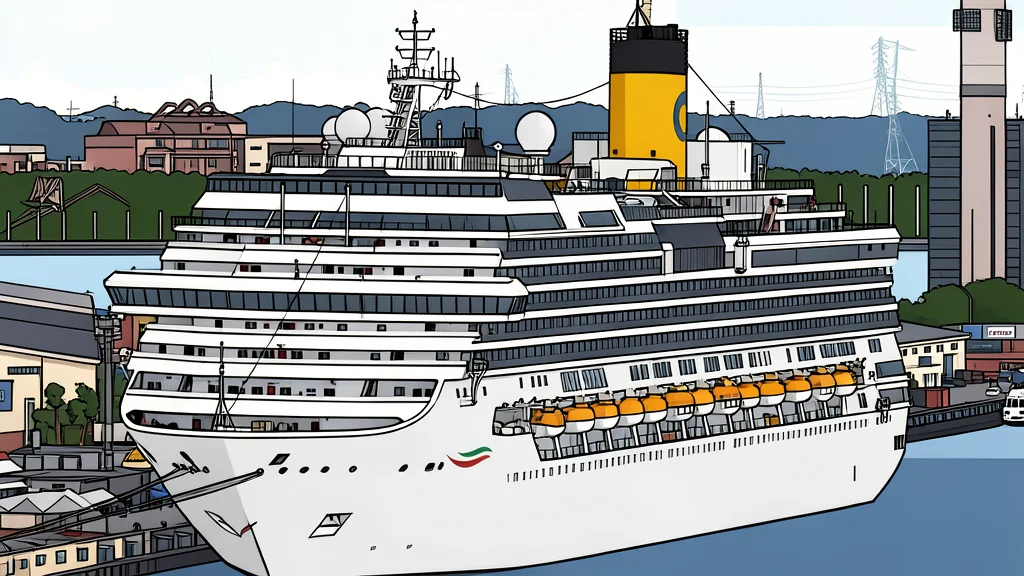
The Costa Serena looms over Nagoya's pier, a white colossus that will house 5,000 competitors in a maritime twist on tradition.
The Costa Serena sits heavy in the harbor water, its white hull cutting a stark line against the grey Pacific sky. This is not a leisure vessel drifting toward vacation; it is the floating heart of the Asian Games, ready to swallow five thousand athletes and officials into its belly. The ship docks beside a city that hums with industrial energy, Nagoya, Japan’s third-largest metropolitan area, where the smell of salt water mixes with the exhaust of a region preparing for a massive influx of humanity.
Organizers have stripped away the traditional land-based village to cut costs, a decision born from the financial hangover of the 2021 Tokyo Olympics. Instead, competitors will scatter between the ship’s cabins, local hotels, and converted shipping containers. It is a pragmatic, if unconventional, approach to housing the second-largest multisport event on Earth, one that begins Saturday and stretches through October 4. The scale is undeniable, a physical manifestation of the games' ambition to outstrip the Summer Olympics in sheer volume of participants.
A maritime hub for global athletes
The logistics of the event stretch beyond the water. Nagoya, a central Japanese hub on the Pacific coast, hosts a metro population of 9.5 million. Within this urban sprawl, 45 countries and regions are converging, their delegations ranging from the 100 athletes of North Korea to the roughly 900 sent by host Japan. The roster includes 11,000 athletes, a number that eclipses the 10,700 who competed in Paris in 2024. This is a crowded arena, both literally and figuratively, where the sheer density of human talent creates a palpable tension in the air.
The accommodation challenges are already visible. Hotel rooms in Japan are notoriously compact, a fact that has drawn sharp criticism from athletes arriving early. Basketball players have noted beds that feel too short for their frames, a small but telling detail of the friction between global sports standards and local infrastructure. Imroze Ahmed, head of the Bangladesh delegation, downplays the issues, insisting that such logistical snags are inevitable in an organization of this magnitude. He expects the wrinkles to smooth out as the games take hold, a testament to the resilience required to compete in such a dense, high-stakes environment.
Unconventional sports define the competition
The sporting menu is as eclectic as the housing. While track and field, swimming, and soccer anchor the schedule, 43 sports in total will be contested. Among them are disciplines that exist only in the Asian Games circuit, such as kabaddi and sepaktakraw. Martial arts take various forms, including jiujitsu and kurash, a wrestling style with deep regional roots. Newer additions like teqball, padel, and mixed martial arts add a modern, kinetic edge to the competition, ensuring that the games remain a dynamic, evolving spectacle rather than a static repetition of Olympic formats.
Historical weight in the medal count
The stakes are high, with the 2023 Hangzhou games setting a benchmark that Nagoya seeks to match. China dominated that previous edition with 201 gold medals, far ahead of Japan’s 52 and South Korea’s 42. This history casts a long shadow over the current event, as delegations prepare to contest for dominance in a field that includes a 12-year-old swimming prodigy from China, Yu Zidi, who recently stunned the world in Singapore. The games, reported by GN auto sports/multisport, are more than just a contest of skill; they are a complex web of history, logistics, and national pride, all converging on a single, bustling harbor.