Pyongyang Sends Record Delegation to Nagoya
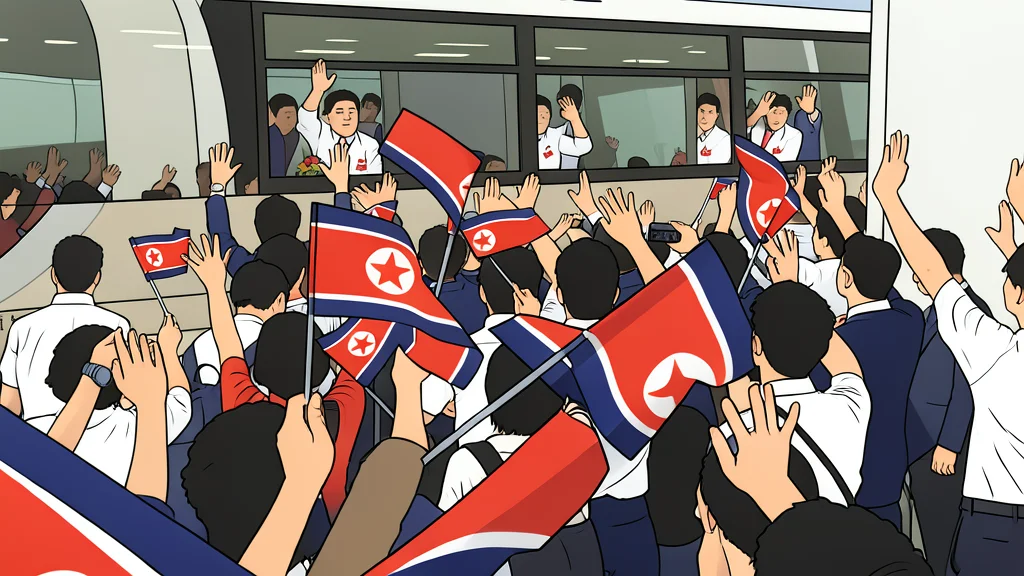
A record-breaking contingent of North Korean athletes crosses into Japan, turning the Asian Games in Nagoya into a high-stakes theater for diplomatic signaling.
The air in Nagoya hums with the static of anticipation as the 20th Asian Games ignite across Aichi prefecture. For the first time, a delegation of 180 North Korean nationals steps onto Japanese soil, a physical breach of the usual diplomatic freeze. Led by Sports Minister Kim Il-guk, this group is not merely a sporting contingent; it is a calibrated instrument of state policy, moving through the stadium corridors with the precision of a military maneuver.
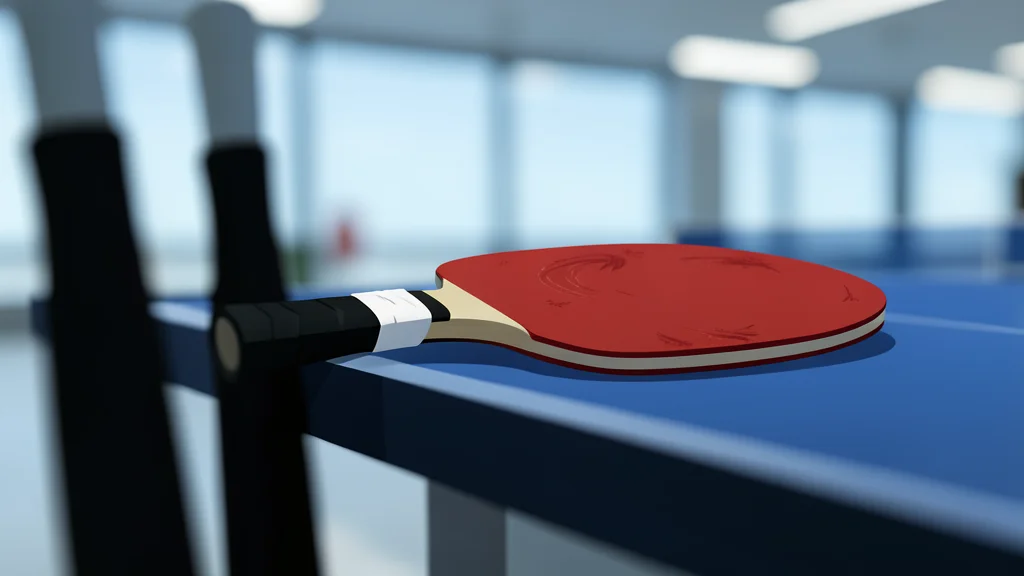
The scale is unprecedented. One hundred and seven athletes, clad in the stark red and blue of their national teams, prepare to compete in fourteen disciplines ranging from the explosive power of weightlifting to the rapid reflexes of table tennis. This is the largest North Korean sporting presence ever recorded in Japan, a fact that anchors the event in historical weight. The presence of these athletes in a country that typically bars their entry under strict sanctions transforms the competition floor into a geopolitical stage.
Sanctions yield to strategic exception
Tokyo’s borders, usually locked tight against Pyongyang’s nuclear and missile programs, have cracked open for this specific window. The exception is rare, deliberate, and observed closely by international analysts. It is not an act of casual hospitality but a calculated concession, allowing the North Korean state to project an image of stability and normalcy. The athletes move through the venues, their every action scrutinized for signals of softening or defiance.
The atmosphere in the training halls is tense, charged with the weight of what is at stake beyond the scoreboard. The delegation’s arrival signals a bid to shed the pariah label, using the spotlight of the Asian Games to rewrite their narrative. As reported by GN auto sports/multisport: Asian Games, this movement is a test of Tokyo’s limits and a probe for future diplomatic pathways.
Athletics as a diplomatic lever
On the mat, the wrestlers grapple; on the court, the footballers strike. Yet the true contest lies in the periphery. The delegation’s presence is a lever, designed to pry open doors that have remained sealed for decades. Observers note the strategic timing, aligning the sporting event with broader geopolitical shifts. The athletes are pawns in a larger game, their physical prowess a cover for a message aimed at Washington and the world.
The games run from Saturday until October 4, a span of days that will be measured in diplomatic outcomes as much as medals. The crowd roars, a wave of sound that masks the quiet calculations happening in the delegations’ quarters. This is not just sport; it is a performance of statecraft, where every handshake and every victory carries the weight of international relations.
Looking beyond the Nagoya arena
As the competitions conclude, the focus shifts to the aftermath. Did the gesture yield results? Did it pave the way for re-engagement with the United States? The answers will emerge in the quiet corridors of diplomacy, not the loud arenas of sport. The delegation’s return to Pyongyang will carry more than medals; it will carry the verdict on whether this was a genuine attempt at peace or a calculated stunt to assert power.
The blue sky above Nagoya remains indifferent to the political storms brewing below. The torii gates stand silent witnesses to the flux of power and prestige. In the end, the Asian Games serve as a mirror, reflecting the fractured yet hopeful landscape of East Asian diplomacy. The athletes have done their part; now the world waits to see if the dialogue continues.