Jerry Jones Identifies Communication Breakdown After Cowboys Loss
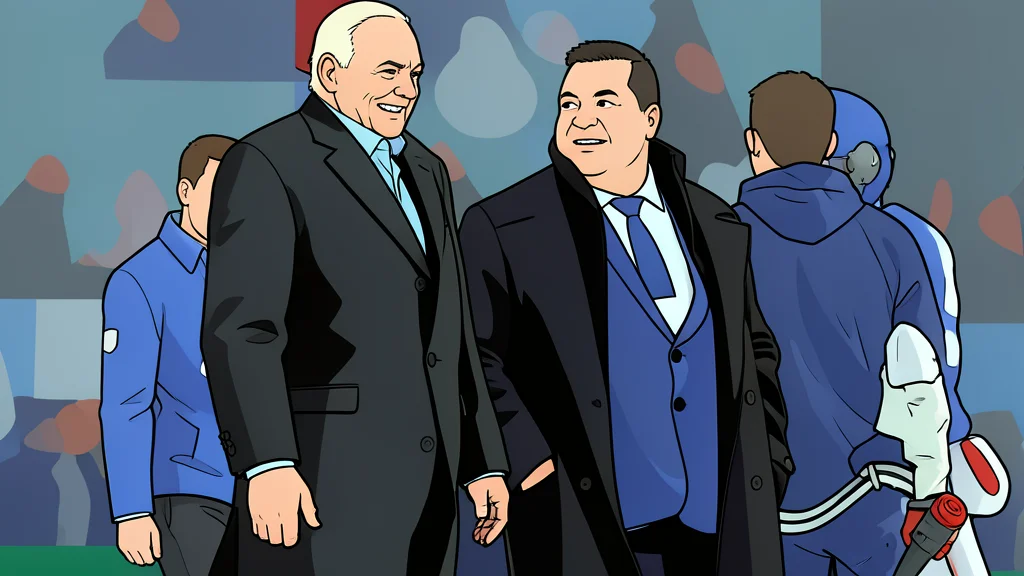
Dallas Cowboys owner Jerry Jones pinpointed a specific tactical failure after the Week 1 defeat, refusing to accept blame and pointing instead to a systemic issue on the field.
The silence in the locker room did not last long. Jerry Jones, the man who has watched the Dallas Cowboys rise and fall for decades, spoke with a blunt clarity that cut through the post-game haze. The 28-20 loss to the New York Giants was not just another defeat; it was a mirror held up to the team’s recent history, reflecting the very same struggle that ended their season in January. The air in the building felt heavy, thick with the weight of expectation and the sharp sting of a familiar failure.
Jones did not hide behind platitudes or defensive acronyms. On local radio, he addressed the core issue directly: the unit was out of position. It was a physical manifestation of a mental disconnect, a ghost in the machine that allowed New York to exploit soft spots repeatedly. The frustration was palpable, a raw emotion that underscored the urgency of the moment. The problem was not just a bad game; it was a broken process.
Communication Breaks Down on Field
The defense under new coordinator Christian Parker was a patchwork of new faces and new terminology. Jones identified communication as the primary casualty. Players were drifting, unsure of their assignments, creating gaps that the Giants’ offense pounced upon. Devin Singletary and Jaxson Dart did not need to be superhumans; they simply needed to find the holes that Dallas left open. The fourth-quarter collapse was not a sudden failure but the inevitable result of a night spent in confusion.
Dak Prescott’s interception in the second half was the final nail, a moment of individual error that compounded the collective disarray. The ball flew through the air, a white streak against the dark stadium lights, and the momentum shifted irreversibly. New York capitalized on the chaos, turning a competitive contest into a decisive victory. The Cowboys had handed their rivals the keys to the game, one miscommunication at a time.
Owner Refuses to Abandon Rebuild
Despite the ugliness of the opener, Jones remained anchored to the long-term vision. He drew a line back to 1989, his first year as owner, when the team went 1-15 before the pieces finally clicked into place. The comparison was deliberate, a reminder that great defenses are not built in a single week. They are forged in the fire of failure, refined through repetition and trust. The current state of the team was not a dead end but a necessary step in a longer journey.
Jones also pushed back against the narrative of blaming the new coordinator. The play-calling was a shared responsibility, a collective effort by the staff. He signaled a willingness to be aggressive in the front office, looking for opportunities to upgrade the roster if the right moment presented itself. The message was clear: do not panic, but do not stand still either. The front office would remain active, ready to strike when the opportunity arose, while the players on the field worked to synchronize their movements.
Next Chapter Begins at Home
The Cowboys now sit at 0-1, a record that carries little weight in the long run but feels immense in the immediate aftermath. The next test arrives on September 20, when the team hosts the Washington Commanders at AT&T Stadium. Washington also enters the game off a loss, a shared burden that levels the playing field. Both teams are searching for their footing, desperate to find rhythm and confidence. The lights at AT&T Stadium will be bright, the crowd loud, and the pressure immense. The Cowboys must turn the page, leaving the confusion of Week 1 behind and moving forward with a unified voice.