Steelers Legend Decodes NFL's Scoring Surge
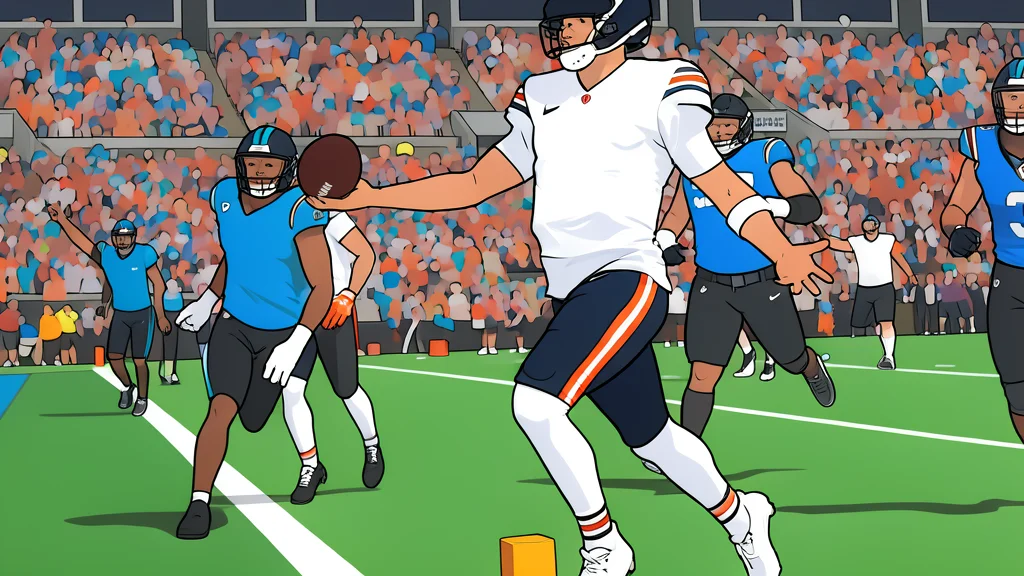
Stadium lights hum as the field glows under a blanket of artificial day, the air thick with the smell of cut grass and anticipation.
The stadium lights cut through the humid evening air, illuminating a field that has become a canvas for unprecedented violence. In Charlotte, the Bears and Panthers engaged in a skirmish that shattered historical norms, with Chicago holding a 52-37 lead with four minutes left on the clock. The final touchdown felt like an afterthought, a mere garnish on a dish already overflowing with points. Across the league, the numbers told a similar story of offensive dominance, pushing the season-opening slate to record highs.
According to data tracked by GN sports/nfl (en-US), this was the highest-scoring Week 1 since the AFL-NFL merger in 1970. The average combined points per game hit 50.0, a figure that stood tall even before the final two games concluded. It was not just a single anomaly but a systemic shift, a collective decision by teams to throw caution to the wind and let the offense run rampant. The air in the stadiums crackled with the energy of players who had spent the offseason sharpening their blades.
Retired Coach Sees Shift in Drills
Mike Tomlin, now trading his headset for an analyst's desk, offered a sharp diagnosis during the halftime break of the Cowboys-Giants game. Speaking with Maria Taylor, he pointed to the modernization of practice routines as the primary catalyst. "There is less violence in team development," he observed, noting that the era of heavy padded contact drills is fading. Instead, teams focus on skill-based repetitions, such as 7-on-7 scenarios, which allow offenses to find rhythm and precision without the physical resistance of a full defense.
Tomlin’s perspective is grounded in two decades and a half of experience, from assistant to head coach. He recalled the days when defenses spent countless hours shedding blocks and executing tackles, building a physical wall that was difficult to breach in the early weeks of the season. Today, that physical conditioning is deferred, leaving defenses slightly raw in the opening matchups. The result is an offensive explosion that catches the backline off guard, creating a vacuum that quarterbacks and receivers are quick to exploit.
Defenses Need Time to Calibrate
The theory suggests a temporary imbalance rather than a permanent change in the game's structure. Tomlin argues that as the regular season progresses, defensive units will find their footing. The physicality required to disrupt an offense is not just a matter of talent but of accumulated experience and synchronized timing. With each week of game action, the gap between the polished offense and the developing defense will narrow.
For now, the scoreboard remains a testament to the current state of play. Fans can expect these high-scoring affairs to continue through the early weeks, a period where the offense holds the upper hand. The question remains whether this trend will shift as the league digs deeper into the fall, or if the modern style of preparation has fundamentally altered the balance of power in the NFL.