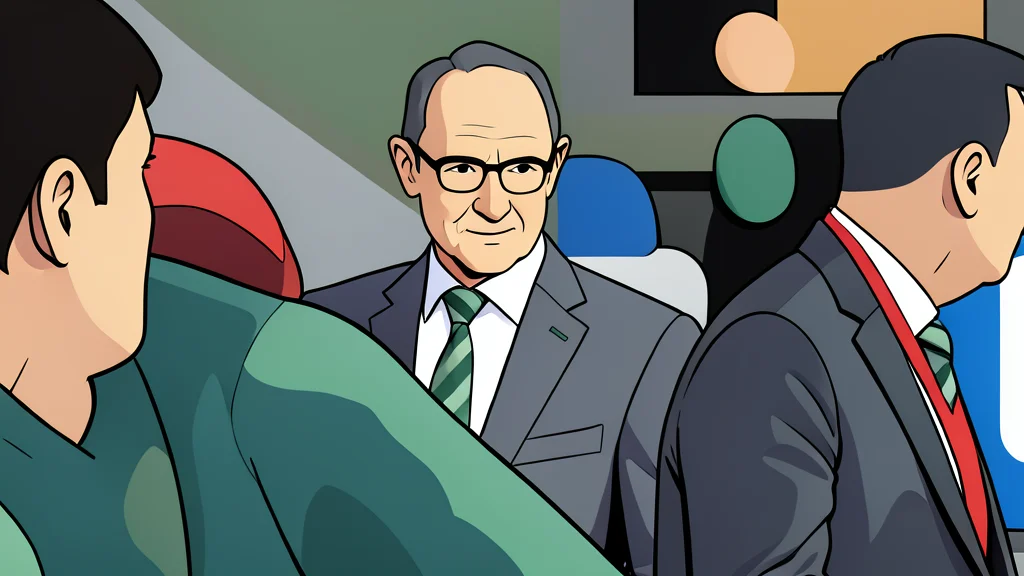
Rodman Races to Ashe Stadium for Shelton's Historic Final
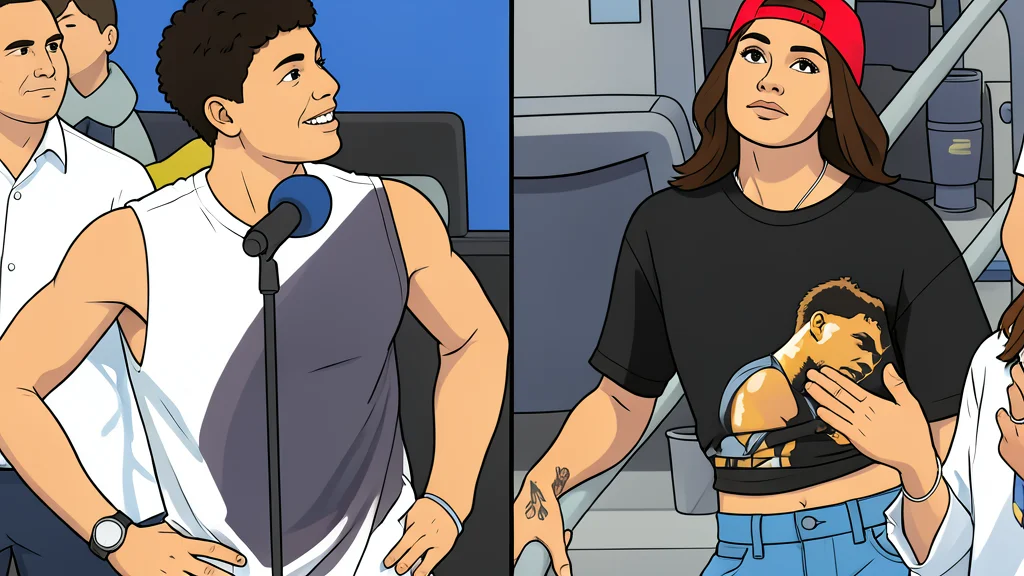
In the humid air of Arthur Ashe Stadium, a familiar silhouette appears in the stands mere hours after a match in Washington. It is a testament to a bond forged by long flights and early mornings.
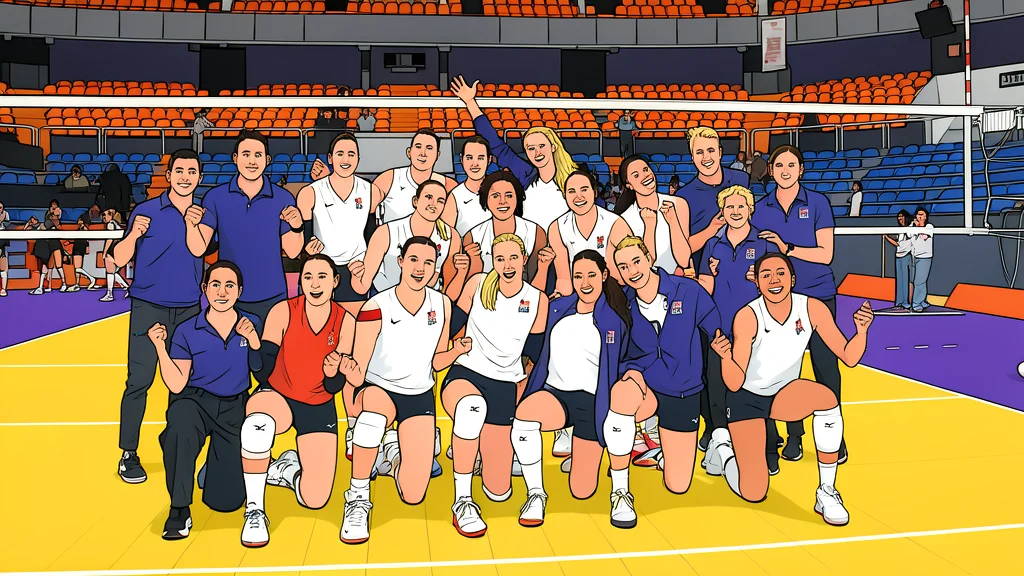
The air in Queens still hums with the residual static of the crowd. Trinity Rodman, 24, is seated in the upper deck, her gaze fixed on the red clay below. Just hours earlier, her cleats had dug into the turf at Audi Field in Washington, D.C., where the Spirit fell 3-0 to Boston Legacy. Now, she is 200 miles east, a blur of motion bridging the distance to witness Ben Shelton’s first U.S. Open singles final. The journey was a logistical miracle, a sprint against the clock that left little room for rest.
Shelton, standing on the baseline, knows the effort required to be there. After falling to Alexander Zverev in a five-set thriller, he paused to acknowledge the stands. "It means everything," he said, his voice steady but thick with emotion. "I knew she was coming — I knew it was going to be pretty close to impossible to get here." For Rodman, this was not just a date in the calendar; it was a physical manifestation of support, arriving in real time as history was being written on the court.
A Historic Moment Under the Lights
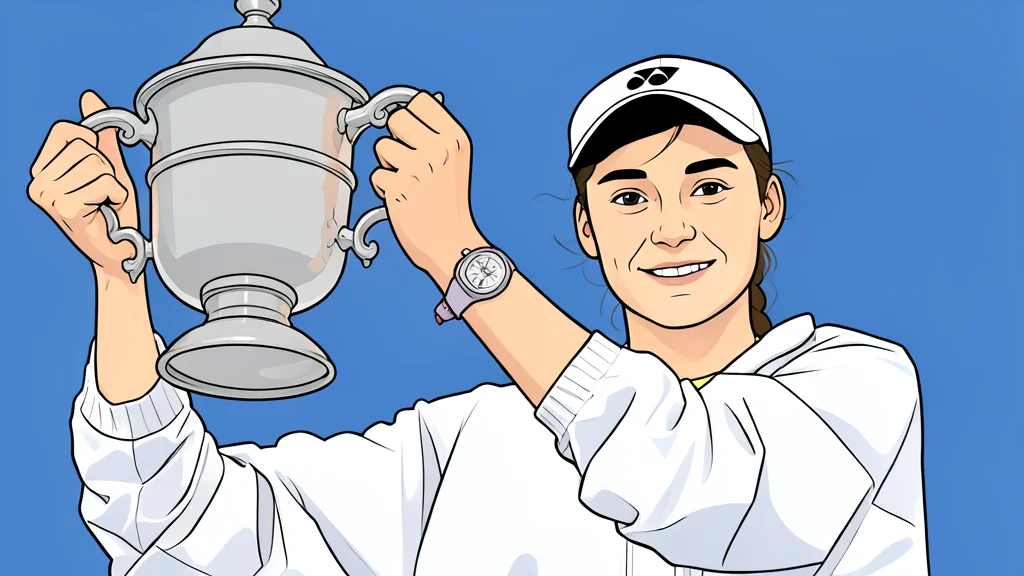
On Sunday, Shelton became the first Black American man to reach a U.S. Open singles final since Arthur Ashe in 1972. The weight of that lineage hung over the stadium, a heavy, electric charge in the atmosphere. Rodman had been present for the drama leading up to this moment, watching his five-set victory over Carlos Alcaraz late into the night. She witnessed his final ace at 3:33 a.m., a flash of white in the dark, before rushing back to Leesburg, Virginia, for training. This summer, her presence has become a constant fixture in Flushing Meadows, a quiet anchor amid the chaos of Grand Slam tennis.
Sacrifices Made Across the Country
Their relationship has become a study in mutual devotion, often fueled by long-haul flights and tight turnarounds. When Shelton lost to Jannik Sinner in Turin, Italy, he did not rest. He boarded a direct flight to Washington to watch Rodman and the Spirit defeat the Thorns in the NWSL semifinals. In return, Rodman has navigated her own demanding schedule, playing full 90 minutes in D.C. before crossing the state line to support her partner in Queens. "We’ve made a lot of sacrifices for each other," Shelton noted, reflecting on the relentless travel that defines their lives.
This dynamic extends beyond the headlines. Rodman, now one of the highest-paid women’s soccer players in the world, credits Shelton for his support during critical career decisions. He was among the first people she sought out in the stands after the Spirit’s loss in the 2025 NWSL Championship. Their connection is built on a shared understanding of the physical and emotional toll of elite competition, a bond that strengthens with every mile traveled and every early morning departure.
The Road to the World Cup
As the Spirit chase the NWSL Shield, trailing league-leading Gotham FC by five points with six games remaining, Rodman’s focus splits between the pitch and the court. Next summer, she will prepare for her second World Cup in Brazil with the U.S. national team. Shelton’s presence in those stands is likely, a familiar face in the crowd, unless his own schedule at Wimbledon intervenes. For now, the cycle continues: a match in one city, a flight, and a final in another, a rhythm of support that has become the backdrop to their individual triumphs.
The story of this summer, as reported by GN sports/football (en-US), is not just about points on a scoreboard or sets won in tennis. It is about the invisible architecture of support, the flights taken and the hours lost, all in service of a shared dream. In the stands at Arthur Ashe Stadium, Rodman’s presence was a quiet, powerful statement: that love, in the world of elite sports, is a journey as much as a destination.