Shelton's Dawn: The US Men's Tennis Drought Ends at Last

Flushing Meadows holds its breath as a 23-year-old from Atlanta steps onto the clay of destiny, carrying the weight of two decades of silence.
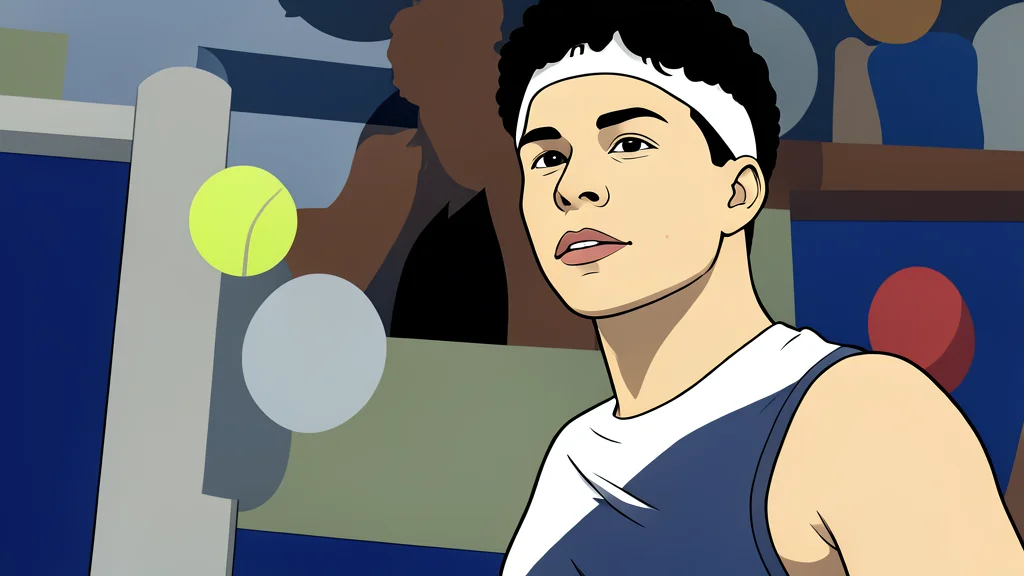
The air in New York hangs thick with anticipation, the kind that settles over a stadium before a storm breaks. For twenty-three years, the silence has been deafening. Since Andy Roddick’s triumph in 2003, the US Open has been a foreign land for American men in the singles draw. Now, the quiet shatters. Ben Shelton, a left-hander with a serve that cracks the air at 240 km/h, stands on the precipice of history. His journey from the gridiron to the Centre Court is not just a personal triumph; it is the exhalation of a nation waiting for its hero to return.
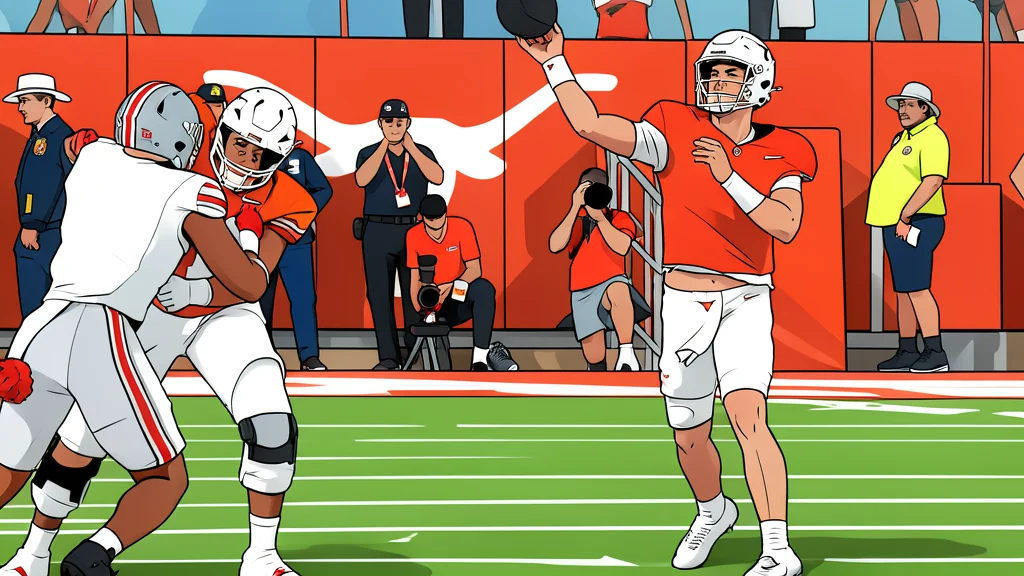
Shelton’s path was never a straight line. Born to a tennis family, he initially chased the dream of a quarterback career in American football. It was only at eleven, driven by a sibling rivalry with his sister Emma, that he picked up a racket. That late start forged a different kind of player. He skipped the junior circuit, honed his craft at the University of Florida under his father’s coaching, and then detonated onto the pro scene. Three Challenger titles in three weeks in 2022 announced his arrival. Now, facing Alexander Zverev, he seeks to break the curse that has haunted Flushing Meadows for over two decades.
From Gridiron Dreams to Court Dominance
The transformation from athlete to elite is visible in every movement. Shelton’s game is aggressive, a baseline assault that leaves little room for error. His father, Bryan, gave up his college coaching post to shadow him full-time, a sacrifice that paid dividends in consistency. The 2024 season saw him conquer clay in Houston, a rare feat for an American. By 2026, he had mastered all three surfaces, a versatility that speaks to his relentless drive. This is not just talent; it is engineered precision, built on the foundation of a family that understood the cost of greatness.
Shattering the Era of the Big Three
The dominance of Federer, Nadal, and Djokovic, now joined by Alcaraz and Sinner, created a wall that few could climb. They have won 77 of the last 90 Grand Slams. For the US men, this era offered little space to breathe. Players like Taylor Fritz and Frances Tiafoe have reached the brink, but the summit remained elusive. Shelton’s rise disrupts this pattern. He is not just participating in the tournament; he is challenging the order. His victory over Carlos Alcaraz in the quarterfinals, a five-set epic that ended in the small hours of the morning, proved he can compete with the best. The wall has a crack in it.
A Final That Defines a Generation
The final against Zverev is more than a match; it is a statement. Shelton’s exhaustion after the Alcaraz battle is palpable, yet his eyes are bright. He calls New York the greatest sports city in the world, a sentiment that resonates with every fan watching. The stakes are high. A victory would end a 23-year drought, placing his name alongside Roddick and before the legends. The ball rests on the blue hard court, pristine and waiting. The next serve will decide not just a trophy, but the future of American men’s tennis. The wait is over.