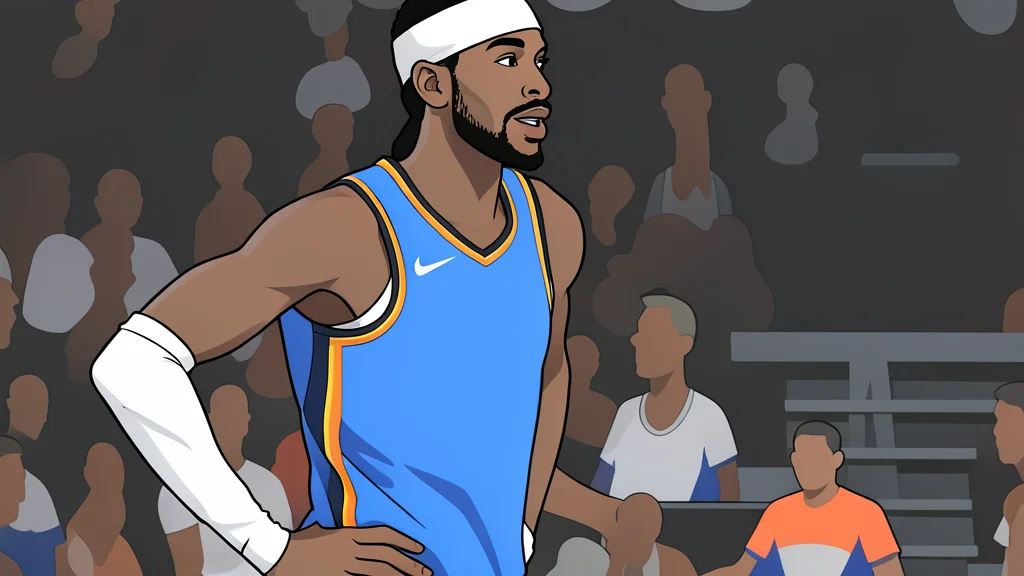
Zverev's Solo Run: A Quiet Box Before the New York Clash
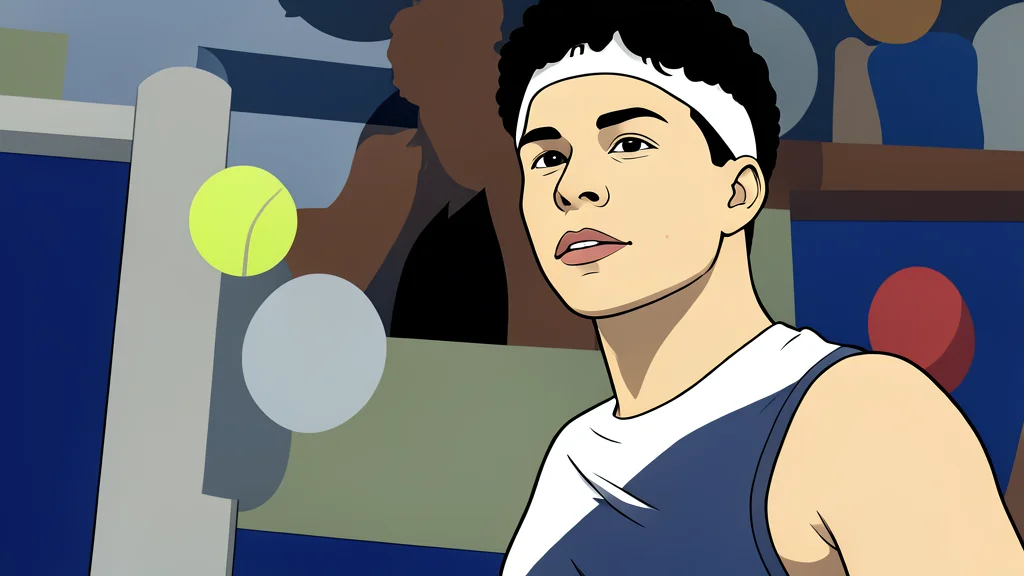
The Arthur Ashe Stadium hums with 24,000 voices, a collective roar that Alexander Zverev has learned to mute. He stands on the hard court, the third Grand Slam final of his year, facing Ben Shelton in a duel defined by history and a missing familiar face.
The air in New York is thick with anticipation, the red clay of memory replaced by the sharp, blue-gray of the hard court. At 8:00 PM, the lights will cut through the evening, illuminating the net that divides Alexander Zverev from Ben Shelton. It is a moment suspended in time, a third major final in twelve months, yet the box beside the court feels strangely empty. The usual warmth of a shared victory is absent, replaced by the cold, professional distance of a working schedule that kept his partner away from the Paris and Wimbledon parties. She will return to Germany only after the dust settles, leaving Zverev to navigate the noise of the largest tennis temple in the world alone.
It is a solitary vigil. While the crowd churns with its own energy, Zverev’s focus is a static point. He has stated plainly that the opposing sentiment does not shake him; he has played in hostile arenas for a decade. The absence of his girlfriend, Sophia Thomalla, is not a dramatic exit but a logistical reality of her television commitments. She is elsewhere, recording months ahead, a ghost in the machine of their shared life. For now, the court is the only stage, and the silence of the box is louder than the cheer of the stands.
The Weight of Left-Handed History
The statistical landscape is steep in Zverev’s favor. He holds a five-match winning streak against Shelton, a dominance forged on surfaces like the one in New York. His ranking, second in the world, sits seven spots above his American opponent. But the deeper metric is the hand. Zverev has won 43 of his last 44 matches against left-handers, a record born from childhood hours on the court with his younger brother, Mischa. This is not just talent; it is a muscle memory so deep it predates his professional career. Shelton, facing his first Grand Slam final, stands on the opposite side of that experience, the underdog in a narrative written by years of repetitive, intense training.
The prize is substantial: 4.74 million euros for the winner, a sum that reflects the magnitude of the event. Yet the true prize is the position. If Zverev takes the title, the gap to Jannik Sinner, who is sidelined with a knee injury, shrinks to 1,810 points. It is a tantalizing possibility, a door left ajar for the world number one ranking by the time the ATP Finals arrive in Turin. The uncertainty of Sinner’s return adds a layer of strategic tension to the match, turning a simple final into a pivotal chapter in the year-end race.
A Box Divided by Roles
The seating arrangement has evolved into a functional split. On the court level, the immediate support team sits in a tight cluster: Alexander Zverev Sr., 66, his brother Mischa, 39, hitting partner Michail Ledovskych, 40, and fitness trainer Jez Green, 53. They are the operational core, the ones who manage the physical and tactical minutiae of the match. In the upper section, the business and personal sides converge. Manager Sergey Bubka Jr., 39, sits alongside physiotherapist Ramon Punzano and actor Aaron Keller, 33. It is a curated environment, each person serving a specific function in the machine that is Alexander Zverev.
This structure reflects a career that has outgrown the casual support of friends and family. It is a professional ecosystem, where every seat is assigned a purpose. The division mirrors the nature of the sport itself: a solitary performance supported by a complex network of expertise. As the match progresses, the whispers between these two groups will be the only sound in the box, a quiet counterpoint to the thunder of the stadium.
The Uncertainty of the Next Week
The final point of the match will not be the last decision of the month. The Davis Cup tie against Croatia in Halle/Westfalen looms large, a commitment that Zverev has often honored in words but not in action. In past years, a strong showing at a Grand Slam has led to his absence from the Stuttgart grass, a pattern that has frustrated sponsors and fans alike. He has admitted that rest is necessary, a biological need that overrides contractual obligations. The German Tennis Association is considering an alternative: inviting him to Halle not to play, but to be honored for his US Open success.
This potential shift highlights the delicate balance between commercial expectation and human limitation. Zverev’s statement that he usually plays if he has agreed is a nod to his professionalism, yet the history of his absences tells a different story. The decision will likely hinge on his physical state after the New York marathon. If he emerges victorious, the question of rest becomes not just a preference, but a strategic imperative. The narrative of the US Open is thus extended beyond the final point, into the uncertain weeks that follow, where the body’s demands may outweigh the calendar’s requirements. The source GN sports/tennis (de) notes that this final is a milestone, but the real test may be how he manages the aftermath.