Shelton Survives Ruffian Start to Reach U.S. Open Final
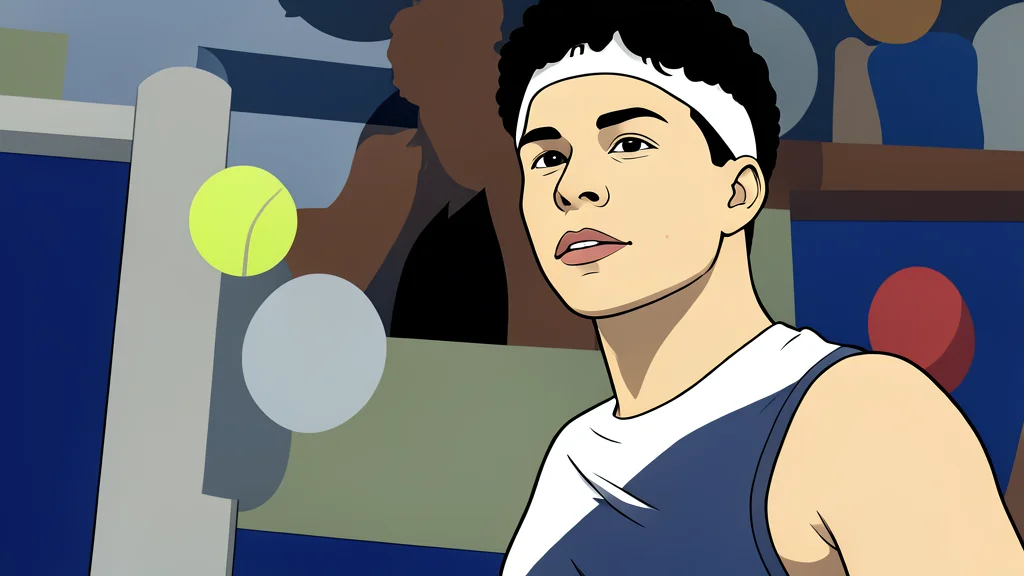
Ben Shelton’s path to the championship match was marked by late-night nerves and a refusal to quit, transforming raw talent into a contender's reality.
The clock on Arthur Ashe Stadium ticked past two in the morning, the air thick with the humidity of a New York night. Ben Shelton stood over the net, his breath visible in the cool air, having just survived a marathon that began in the heat of Friday and stretched into the dark hours of Saturday. It was not a victory of elegance, but a battle of endurance. He had outlasted Denis Shapovalov in a match that swung wildly, point by point, until the American finally broke through. The crowd, sparse but intense, erupted as the final point landed. Shelton dropped his racket, the sound sharp and final against the silence of the empty stadium. He had done what he had to do. Now, the true test begins.
This journey to the final is shadowed by the ghosts of previous failures. At Wimbledon this year, Shelton watched in disbelief as a lead evaporated in a fifth-set tiebreak. He had been up 8-5, a position that should have been safe. Instead, he watched Otto Virtanen, ranked 140 in the world, steal the match 11-9. The shock was visceral. Shelton had let a two-sets-to-one lead slip away, a pattern that has haunted his season. He is the fourth seed, a player with the power to crush opponents, yet he has stumbled in early rounds at Grand Slams for the first time in three years. The loss was not just a score; it was a mirror, reflecting the gaps in his game that remain.
Raw Talent Meets Refined Pressure
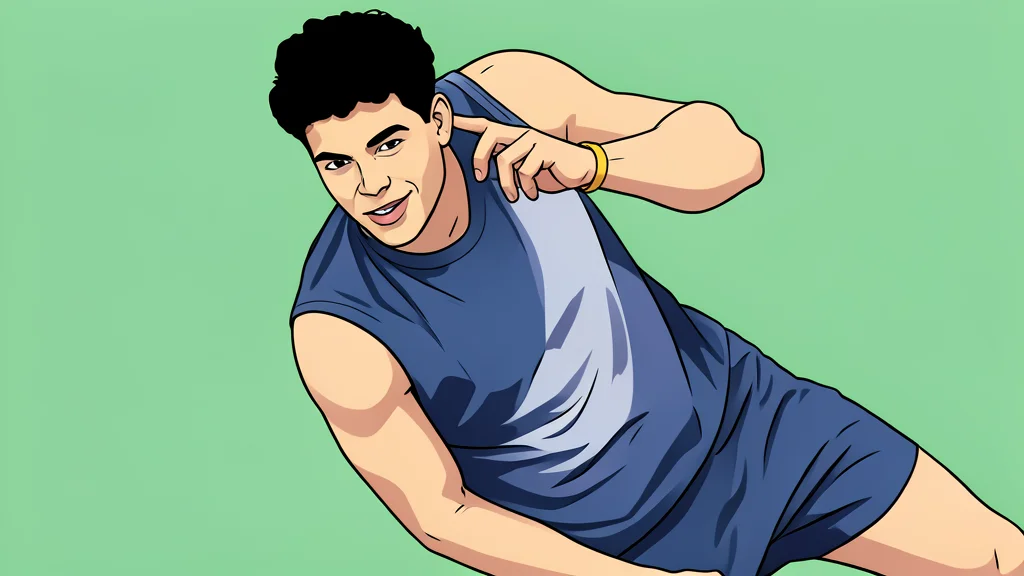
Ben Shelton knows he is still building. In interviews, he speaks with a clarity that cuts through the hype. He describes himself as raw, a phrase that carries weight in the top ten. He sees the tools in his hands, the backhand that can flatten a ball, the forehand that can drive through a defense. But he also sees the edges, the places where the finish is not quite smooth. His father, Bryan, a former ATP Tour player and current coach, watches from the baseline. He sees the same thing. The loss to Virtanen was a stark reminder that innate gifts are not enough. To be a champion, one must be more than a contender. One must be consistent. One must be refined.
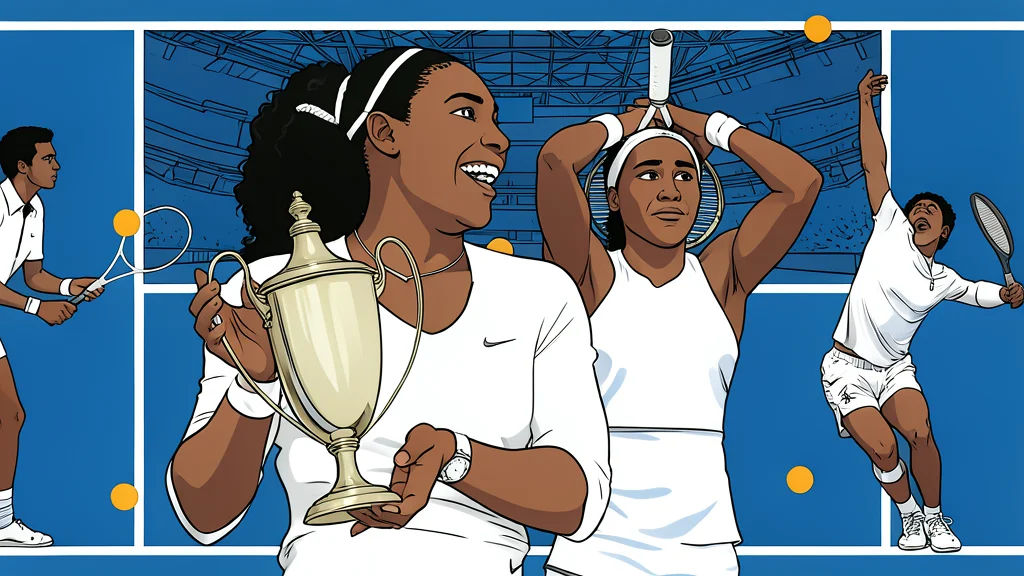
The path to this final has been a series of survival acts. In the third round, Shelton and Shapovalov traded leads and break points, the first two sets a chaotic dance of errors. The delay caused by the Williams sisters’ doubles match left them unprepared, their minds scattered. It was not until the third set that Shelton found his rhythm, his aggression sharpening, his ability to dictate the flow of the match improving. It was a rickety win, a feat of survival rather than dominance. But it was a win. It sent him into the last 16 at the U.S. Open for the first time since 2023. The victory was not about growth, but about staying in the fight.
Overcoming Early Round Setbacks
The season has been a mixed bag. Four titles, the most he has ever won in a single year, stand as proof of his potential. But they are balanced by early exits at the biggest tournaments. The French Open saw him fall in the second round to Raphaël Collignon, a loss that stung. The pattern was clear: mental lapses, sub-par returning, poor point construction on break points. These are the three large reasons for his inconsistency. He has the power, but the precision is still developing. The loss to Virtanen at Wimbledon was the loudest echo of these issues. It was a moment where the gap between potential and performance was widest.
Now, in New York, the stakes are higher. Shelton has navigated past veterans like Tallon Griekspoor and Hubert Hurkacz, players who know how to make life difficult. He has defeated Carlos Alcaraz in a stunning five-set quarterfinal upset. He has handled Frances Tiafoe with a routine efficiency in the semis. Each victory has added a layer of confidence, a sense that he can compete at the highest level. The final against Alexander Zverev is not just a match; it is a test of his mental fortitude. Can he hold his lead? Can he construct the point? Can he be the champion he is becoming?
The Final Standoff Awaits
The final is a showdown with Alexander Zverev, a player who embodies the consistency Shelton is striving for. Zverev is a master of control, of patience, of tactical precision. Shelton is a master of power, of aggression, of explosive energy. The clash is inevitable, a collision of styles. Shelton’s backhand has held up in recent matches, allowing him to extend rallies, to outwork his opponents. His ability to dictate has improved, his aggression more focused. But the question remains: can he maintain this level of play under the pressure of a championship match? The answer will define his season. It will define his career.
As per GN sports/tennis (en-US), the narrative of Ben Shelton’s rise is one of rapid evolution. He is no longer just a prospect; he is a contender. The gifts that made him a star are evident in every stroke. But the refinement, the consistency, the mental strength, these are the things that separate a good player from a great one. The final is the stage where that separation will be tested. The ball is in the air, and the world is watching. Shelton is ready. Or he is learning to be. The outcome is unknown, but the effort is visible. The fight is real. The championship is within reach.