Centrus Secures Multi-Year HALEU Supply Deal with Radiant
Centrus Energy Corp. (NYSE:LEU) has locked in a multi-year contract to supply high-assy, low-enriched uranium to Radiant, securing a critical revenue stream and validating its domestic enrichment technology for the emerging microreactor market.
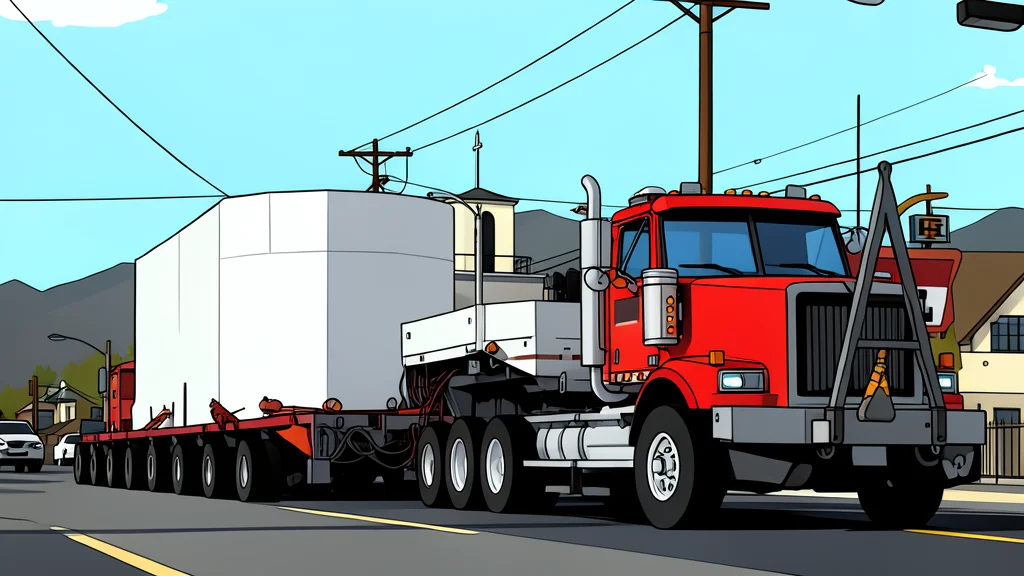
Centrus Energy Corp. (NYSE:LEU) and Radiant, a developer of transportable nuclear microreactors, have finalized a multi-year agreement for the supply of high-assay, low-enriched uranium (HALEU). The contract mandates that Centrus begin fuel deliveries before the end of the decade, providing Radiant with a domestic source of material for its Kaleidos microreactors. This deal directly supports Radiant’s expansion from initial testing phases into commercial and national security deployments, while simultaneously advancing Centrus’ build-out of domestic enrichment capacity.
A key financial component of the agreement involves prepayments from Radiant to Centrus. These funds are designated to support Centrus’ commercial enrichment capacity program, reducing the capital burden associated with scaling its U.S.-origin manufacturing operations. For Centrus, this contract strengthens its position as a leading supplier for next-generation nuclear technologies and expands its footprint in the microreactor sector, a market previously dominated by larger utility-scale fuel suppliers.
Domestic Enrichment Capacity Secures Defense Contracts
The strategic value of the partnership lies in the origin of the fuel. Centrus utilizes the AC100 centrifuge design, which is currently the only deployment-ready U.S.-origin technology available for unobligated enrichment. This distinction is critical because unobligated HALEU can be used for national security applications, including at defense installations. Radiant is committed to delivering Kaleidos microreactors to specific U.S. military sites, including Fort Benning in Georgia and Buckley Space Force Base in Colorado, by certain deadlines.
Meeting these delivery dates requires a reliable supply of 19.5% U235 TRISO fuel. The fuel fabrication suppliers for Radiant are now working with Centrus to determine the precise volume of uranium hexafluoride (UF6) required. This coordination addresses a significant challenge faced by microreactor firms: securing timely fuel loads to fulfill contractual obligations with the U.S. military. By leveraging a domestic supply chain, Centrus ensures that the fuel meets the stringent requirements for national security use.
Fuel Cycle Logistics and Fabrication Workflow
The operational workflow under this agreement involves Centrus producing UF6 gas, which is then converted to a solid state. This material is subsequently shipped to Standard Nuclear for fabrication into TRISO fuel pellets. Radiant’s first fuel load is targeted for 2028, aligning with the construction timeline for its initial microreactor. The collaboration ensures that the physical form of the fuel matches the specific technical requirements of the Kaleidos reactor design, which utilizes plug-in ready, transportable units.
The business model extends beyond initial deployment. The first fuel load for each microreactor is expected to last approximately five years. After this period, the entire reactor unit is swapped out for a new one, with the old unit returned to Radiant for refueling and redeployment. This cycle creates a recurring demand for HALEU, transforming the contract from a one-time sale into a long-term service relationship. Centrus benefits from this predictable volume, while Radiant secures the fuel supply necessary to maintain its fleet of remote power units.
Expansion Into Commercial and Industrial Markets
While national security deployments drive the immediate demand, Radiant is developing its microreactors for a broader commercial market. These transportable units are designed to provide reliable power for remote locations, data centers, and industrial applications. This diversification represents a significant potential market for Centrus’ domestic HALEU supply. As Radiant moves from its first Kaleidos test toward commercial scale-up, the demand for fuel will increase in parallel with the number of reactors deployed.
The agreement also reinforces the role of domestic suppliers in the nuclear fuel cycle. Historically, BWXT has produced TRISO fuel for Radiant’s testing and development phases. However, the shift toward commercial deployment requires a more robust and secure supply chain. Centrus’ involvement ensures that the fuel cycle for Radiant’s fleet is supported by U.S. manufacturing capabilities, mitigating supply chain risks associated with foreign sources. This domestic alignment is a key factor in the long-term viability of the microreactor business model.