Energy Secretary Defies Court Ruling on Coal Plant Orders
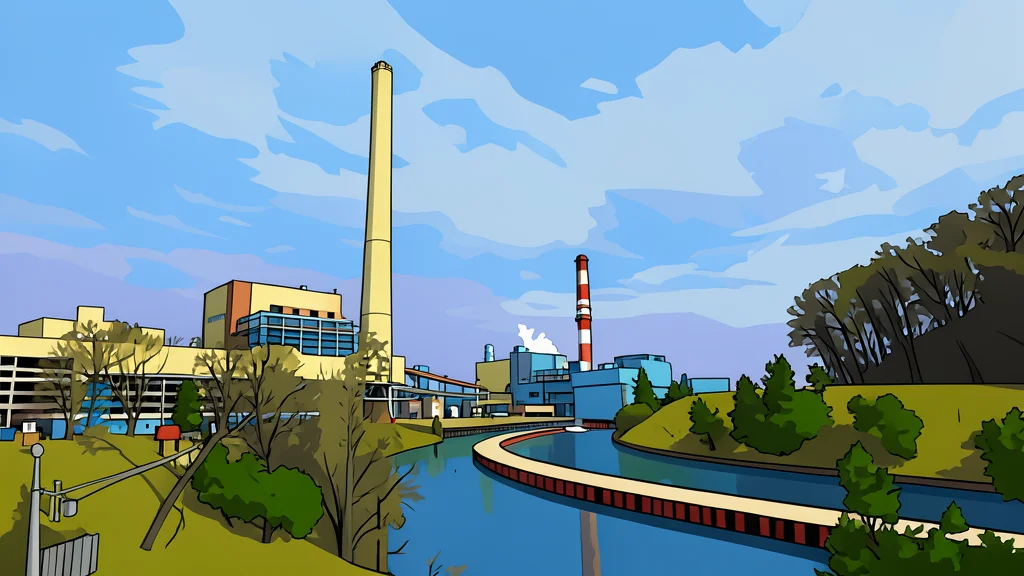
A federal court struck down an emergency order keeping a Michigan coal plant open, but the Energy Department immediately issued a new directive for a facility in Washington.
The U.S. Department of Energy moved to maintain coal-fired generation capacity despite a federal court ruling that invalidated a previous emergency directive. On Friday, a three-judge panel in the District of Columbia reversed an order that forced the J.H. Campbell power plant in Michigan to remain operational, ruling that the agency had misused its statutory authority. The court found that the emergency provisions of the Federal Power Act are intended as a narrow, last-resort backstop for immediate crises, not a tool to override long-term retirement plans agreed upon by stakeholders.
Hours after the ruling against the Michigan facility, Energy Secretary Chris Wright issued a new emergency order targeting a different asset in the Pacific Northwest. The directive compels TransAlta Centralia Generation, LLC to keep Unit 2 of the Centralia Generating Station in Washington State available for operation. The department cited critical grid reliability issues in the Northwestern region as the justification, effectively reversing the scheduled retirement of the coal unit that was set to end operations at the close of 2025.
Court Limits Emergency Authority Scope
The legal decision regarding the J.H. Campbell plant clarified the boundaries of the Energy Secretary’s emergency powers. Judge Cornelia Pillard, writing for the unanimous panel, emphasized that such orders are triggered only by immediate, last-resort needs that state authorities cannot address. The court noted that the previous order disrupted a carefully planned retirement process involving Consumers Energy, the facility’s owner. This ruling aligns with the position of environmental groups like the Sierra Club, which argued that emergency orders should require consultation with stakeholders and be reserved for extreme conditions like wartime or severe weather events.
The J.H. Campbell case marked the first direct judicial rejection of the administration's approach to extending the life of coal assets through emergency declarations. The plant had been in the final stages of a multi-year closure plan before the initial order was issued in May 2025. By reversing the directive, the court signaled that the agency cannot use emergency statutes to circumvent standard resource adequacy planning or override the decisions of state regulators and utility owners. This legal precedent sets the stage for further litigation regarding similar orders issued in other jurisdictions.
New Order Targets Washington Plant
The Centralia Generating Station order represents a continued expansion of the agency's use of emergency powers to support coal generation. Unit 2 was originally slated for retirement in late 2025, with the first emergency order issued in December 2024 to delay that timeline. The new directive, issued on September 11, explicitly directs TransAlta to ensure the unit remains available to operate, citing security and reliability concerns for the regional grid. This action follows a pattern of last-minute interventions to prevent the decommissioning of older thermal assets.
Grid Infrastructure and Future Fuel Pathways
The legal and operational status of the Centralia site presents complex implications for the regional energy market. While the emergency order mandates the availability of the coal unit, it does not legally block the site’s potential conversion to wind, solar, or energy storage. However, the immediate mandate to keep the coal unit online interferes with the planned transition to natural gas, which was the designated interim fuel source until the 2040s. This creates uncertainty for natural gas distributors who may have relied on a future revenue stream from supplying the plant, while also impacting stakeholders in the nuclear and renewable sectors who are competing for grid resources.
The rapid succession of a court loss followed by a new executive order highlights the ongoing tension between federal energy policy and judicial oversight. The administration’s strategy appears to rely on the flexibility of emergency declarations to maintain existing coal capacity, even as courts scrutinize the legal basis for such actions. For investors and market participants, this volatility introduces regulatory risk for thermal power assets and complicates long-term planning for grid reliability and fuel supply contracts in the Northwestern United States.