Pakistan Faces Severe LNG Supply Shock from Hormuz Closure
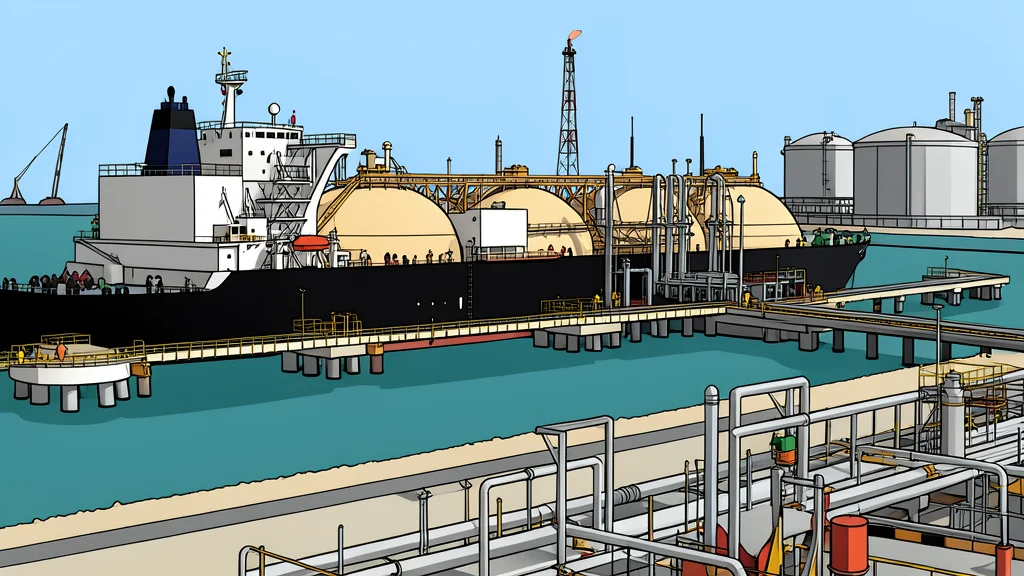
Pakistan's heavy reliance on Qatari and Emirati LNG leaves it vulnerable to Strait of Hormuz disruptions, forcing a rapid shift to coal, hydro, and nuclear sources to maintain grid stability.
Pakistan is experiencing significant energy supply volatility following the closure of the Strait of Hormuz, which has disrupted critical liquefied natural gas flows. The country receives approximately 99% of its LNG imports from Qatar and the United Arab Emirates, making it one of the most exposed markets in Asia to this geopolitical bottleneck. This fuel constitutes roughly 30% of Pakistan’s total gas supply, serving as a primary input for electricity generation, fertilizer production, and industrial processes.
In response to the supply interruptions, the government has accelerated the deployment of alternative energy sources, including coal, hydropower, and nuclear power. The Gastech Conferences report, “Outlook for Gas and LNG Markets in Asia,” notes that these shifts are necessary to mitigate the impact of maritime transportation uncertainty. However, the transition is expected to drive up electricity costs due to price fluctuations and the higher operational expenses associated with non-LNG generation methods.
Diversification strategies reduce market exposure
To enhance long-term energy security, the report outlines several structural measures for Asian markets. These include accelerating the development of large-scale solar and wind farms, expanding commercial rooftop installations, and investing in energy storage systems. The analysis also highlights the need for updating the power generation mix and increasing the flexibility of gas-fired power plants to handle variable supply conditions.
Additional recommendations focus on strengthening grid stability through increased operational reserves and the establishment of strategic fuel reserves for both transport and generation sectors. The report suggests that developing cross-border electricity trade could further stabilize regional markets. These initiatives aim to reduce dependency on single-source LNG imports and create a more resilient energy infrastructure.
Industry leaders pursue storage projects
Universal Gas Distribution Company (UGDC) is actively engaging with international firms to mitigate these risks. Ghyas Abdullah Paracha, CEO of UGDC, stated that the company has discussed potential gas storage projects in Pakistan and long-term LNG supply contracts with global partners. Several companies have expressed interest in building gas storage facilities in the country and entering into long-term agreements with UGDC.
UGDC also presented Pakistan’s gas sector reforms and the opening of its gas market to private business at an international energy forum. The company is exploring gas distribution opportunities in foreign markets as part of its broader strategy. These efforts align with the broader industry push to diversify supply chains and reduce vulnerability to geopolitical disruptions in key shipping chokepoints.
Geopolitical conflict drives supply risks
The Gastech report attributes the current market instability to the conflict involving Israel, the United States, and Iran, which began in February. This geopolitical tension has created a significant bottleneck in the Strait of Hormuz, directly impacting LNG transit. The report emphasizes that the duration and intensity of this disruption will continue to influence energy prices and supply reliability across Asia.
Pakistan’s energy sector remains under pressure as it navigates these external shocks. The combination of high import dependency and limited domestic storage capacity exacerbates the impact of supply interruptions. Industry stakeholders are focusing on immediate operational adjustments while working toward longer-term structural changes to ensure energy security and economic stability.