Saudi Pipeline Shutdown Disrupts Oil Exports Amid Regional Conflict
A drone strike on the East-West Pipeline forces a precautionary shutdown, impacting global supply chains and complicating Aramco's export logistics during a period of heightened geopolitical tension.
Saudi Arabia has suspended operations on its critical East-West Pipeline following a drone attack that damaged pump stations and caused injuries. The Ministry of Energy confirmed the shutdown as a precautionary measure after projectiles struck infrastructure in the Riyadh and Madinah regions on Thursday. This incident directly interrupts the flow of crude oil, adding to existing supply constraints in a market already volatile due to broader regional conflicts.
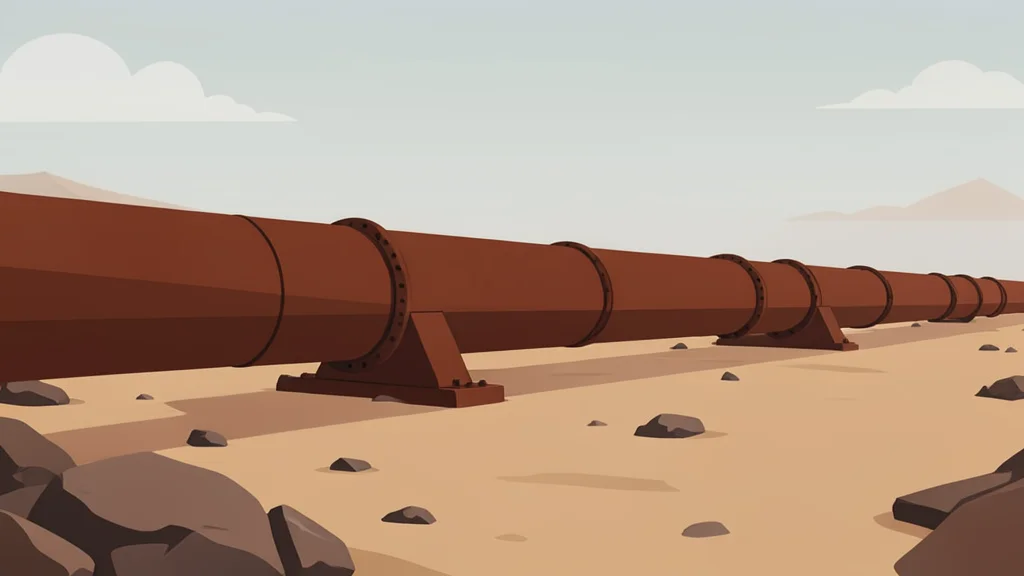
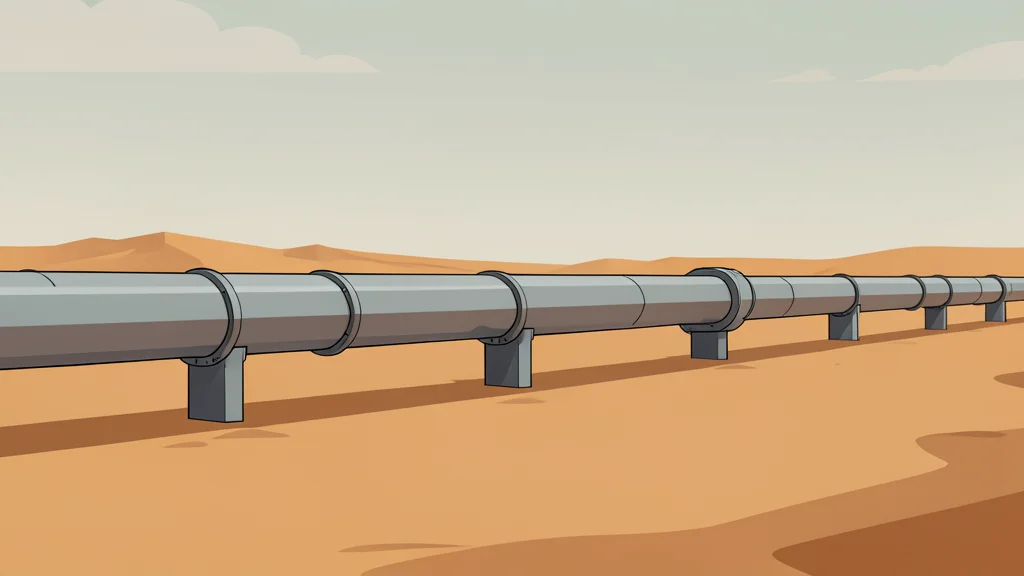
The attack underscores the physical vulnerability of Saudi infrastructure to cross-border threats, particularly from Iraq. While the exact extent of damage to the pipeline itself remains under assessment, satellite imagery reveals significant fire damage at pumping facilities. For global buyers, this represents a tangible risk to logistics, as the pipeline is a vital artery for transporting oil from the Eastern Province to the Red Sea port of Yanbu, bypassing the Strait of Hormuz.
Infrastructure Damage Impacts Operational Capacity
US officials indicated that the strike targeted pump stations adjacent to the pipeline rather than the main line initially, though this remains unconfirmed. The Saudi Ministry of Foreign Affairs stated that the damage is currently being addressed, with teams working to secure the site and assess safety. Repair timelines are uncertain, creating a variable that complicates short-term supply planning for international energy traders and refiners relying on Saudi exports.
The incident follows recent advances by Houthi forces in the Red Sea, which threatens the Bab al-Mandeb Strait, another key export route. With both the eastern and western export corridors facing simultaneous security challenges, Saudi Arabia’s ability to maintain consistent export volumes is under strain. This dual-front pressure on infrastructure increases the cost of risk for insurers and logistics providers, potentially leading to higher premiums and slower turnaround times for tankers.
Geopolitical Risks Elevate Market Volatility
Oil prices surged past $100 a barrel this week, driven by the perceived risk to supply from the Middle East. US President Donald Trump suggested Iran was likely responsible for the strike, while the Iraqi government condemned the use of its airspace for such attacks. These diplomatic developments add a layer of uncertainty that markets are pricing in, reflecting the broader strategy of using proxies to disrupt energy flows and challenge US regional influence.
The Saudi Arabian Oil Company, Aramco, has not issued a formal response regarding the impact on its production targets or export schedules. The closure of Iraqi borders as a precautionary measure further complicates the regional security landscape. For investors, the key takeaway is the increased fragility of the supply chain; any prolonged downtime or further escalation will likely sustain elevated price volatility and necessitate a reassessment of energy security strategies for dependent nations.
Strategic Implications for Energy Security
The attack highlights the growing difficulty of protecting physical energy infrastructure in a fragmented geopolitical environment. As the conflict involving Iran and its proxies continues, the risk to Saudi assets is no longer theoretical but operational. This shift demands a more robust risk management framework for energy companies, focusing on redundancy in export routes and enhanced security protocols for critical infrastructure to mitigate the impact of future incidents on global supply stability.