Saudi Pipeline Strike Cuts Global Supply by 4 Percent
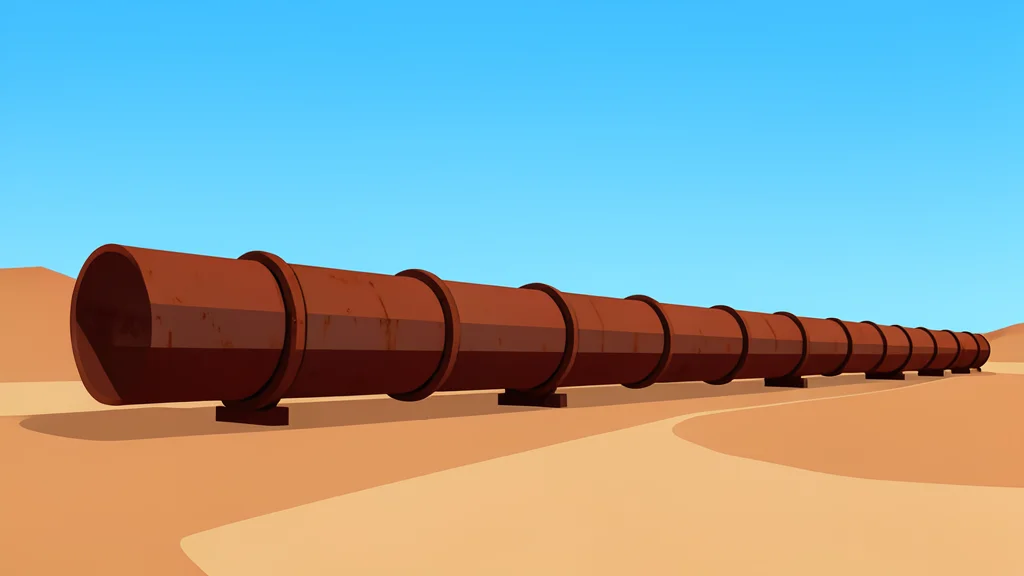
Satellite imagery confirms severe damage to Saudi Arabia's East-West pipeline, threatening a four percent reduction in global oil supply within days.
Satellite imagery confirms that a drone strike has severely damaged Saudi Arabia’s East-West pipeline, a critical infrastructure asset for crude exports. The attack, reported on September 10 in the Riyadh and Medina regions, has forced a precautionary shutdown of the 1,200-kilometer route that bypasses the Strait of Hormuz. Industry sources cited by Reuters estimate that the damage could remove approximately four percent of global oil supply from the market.
The pipeline is currently offline, leaving Saudi Arabia with limited export capacity. Traders warn that the country risks exhausting its stockpiles within five to seven days unless the line is repaired. While alternative reserves exist at terminals in Egypt, sources indicate these are not sufficient to offset the loss of the main Saudi route indefinitely.
Satellite Data Confirms Physical Damage
Analysis of imagery from Copernicus Sentinel-2 and Sentinel-3 satellites shows a distinct change in the landscape following the attack. A dark smoke plume visible on September 10 was absent in pre-attack images from September 7. Subsequent imagery from September 12 reveals a charred, blackened area around the pumping station, confirming physical structural damage to the facility.
Commercial satellite operators, including Vantor and Planet Labs, have released before-and-after comparisons that corroborate the government’s account of the incident. These visual records show visible scorching and debris at the site, validating reports of a direct hit on the pipeline infrastructure. The Saudi Ministry of Energy stated that emergency crews secured the site immediately after the strike, during which workers were injured.
Iraqi Government Condemns Drone Attack
The Saudi Foreign Ministry attributed the drones to launches from Iraq. In response, the Iraqi government removed a military commander from his post and opened an investigation into the incident. Baghdad stated that the drones originated from Maysan governorate, a province bordering Iran, and condemned the action as a threat to regional stability.
Armed factions linked to the Islamic Resistance in Iraq denied involvement, claiming the Iraqi government accepted the allegations without credible evidence. Despite the dispute, Saudi Arabia has refrained from immediate retaliation following diplomatic discussions with Iraq’s prime minister. The Gulf Cooperation Council issued a statement condemning the strike as a dangerous escalation in regional tensions.
Market Reaction And Supply Risk
Brent crude prices rose more than three percent on Sunday, reaching approximately $108 per barrel, the highest level since May. This price increase reflects the market’s assessment of the supply risk posed by the pipeline outage. With the Strait of Hormuz already experiencing wartime disruptions, the loss of the East-West pipeline removes a key alternative route for Saudi exports.
Industry analysts note that market buffers are largely exhausted, leaving little room for further supply shocks. The duration of the repair remains uncertain, with estimates ranging from a partial restart in days to full repairs taking up to six weeks. The GN auto stocks/utilities sector, which includes gas pipeline infrastructure, faces heightened scrutiny as investors assess the broader impact on energy logistics and regional security.