USA Rare Earth Buys Serra Verde in $2.8B Deal
USA Rare Earth completes $2.8B acquisition of Serra Verde, securing Brazilian rare earth feedstock for US magnet production.
Key points
- USA Rare Earth acquired Serra Verde for $2.8B, linking Brazilian mining to US magnet manufacturing.
- Serra Verde targets 6,400 tons of REO annually by 2027 but currently only produces mixed carbonate.
- A 59-page review identifies downstream separation and magnet production as Brazil's key industrial gap.
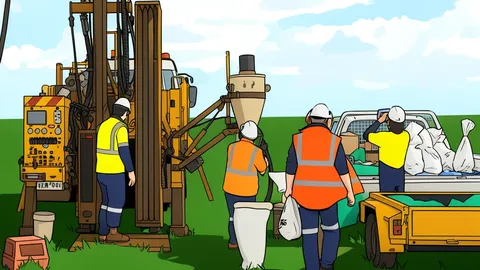
USA Rare Earth completed its roughly $2.8 billion combination with Serra Verde in September, creating a multinational supply chain that links Brazilian mining directly to United States magnet manufacturing. The transaction secures access to Serra Verde’s Pela Ema operation, which entered commercial production in 2024 and targets an annual output of 6,400 metric tons of rare earth oxide by the end of 2027.
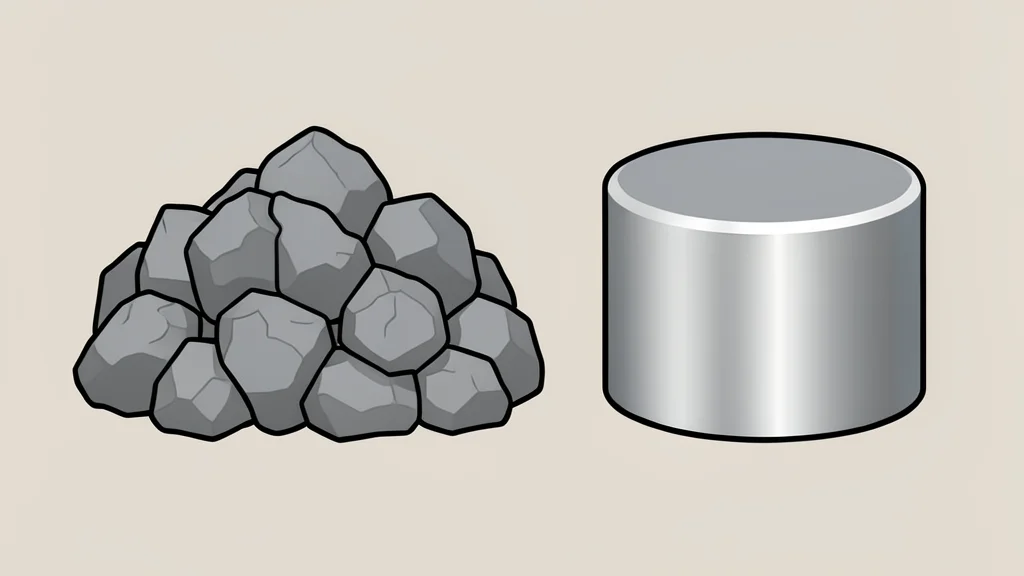
Despite this operational milestone, Serra Verde currently produces mixed rare earth carbonate rather than separated oxides or finished magnets. This intermediate product status highlights a structural gap in Brazil's industrial capabilities, where the country possesses significant mineral resources but lacks the downstream processing infrastructure to convert raw feedstock into high-value strategic materials independently.
Downstream Processing Remains Critical Bottleneck
A 59-page review by Antonio Clareti Pereira of the Federal University of Minas Gerais identifies this downstream phase as the primary constraint on Brazil's rare earth sector. The analysis argues that the bottleneck has shifted from resource discovery to the technical challenges of selectively recovering neodymium, praseodymium, dysprosium, and terbium. Without domestic capacity for separation and magnet-grade material production, Brazil remains dependent on external partners for value addition.
This dependency is now formalized through a 15-year offtake agreement between Serra Verde and U.S. entities. The contract includes price floors of $110 per kilogram for neodymium and praseodymium, $575 per kilogram for dysprosium, and $2,050 per kilogram for terbium. These terms lock in Brazilian feedstock for foreign processing, potentially limiting the accumulation of strategic leverage and technical know-how within Brazil's own borders.
Geological Scale Does Not Equal Value
The review cautions that high tonnage does not guarantee commercial viability, emphasizing that recoverability, impurity levels, and specific elemental content are more critical than raw volume. Projects such as Caldeira, Colossus, Carina, and Araxá present uneven technical profiles, with challenges in continuous recovery and water management affecting their potential contribution to the national supply chain.
Brazil's critical minerals policy aims to promote domestic processing, and the government-backed MagBras initiative seeks to develop local magnet technology. However, the rapid acquisition of resources by foreign strategic capital creates a geopolitical tension. As noted in the Rare Earth Exchanges analysis, the location of separation and magnet manufacturing determines where the majority of value and strategic power ultimately resides.