Dunhuang CSP Plant Delivers 240 Million kWh of Stored Solar Power
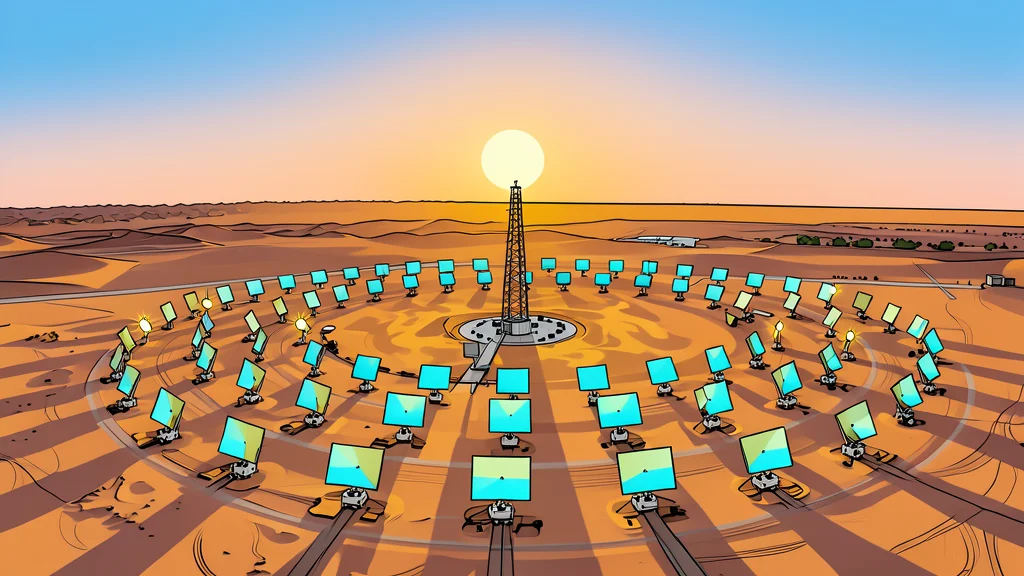
The Gobi Desert facility converts concentrated sunlight into thermal energy, storing heat in molten salt to power a city through the night.
China’s concentrated solar power facility in the Gobi Desert has generated over 240 million kilowatt-hours of electricity, a volume sufficient to cover the annual demand of a small city. The plant operates by using thousands of heliostats to focus sunlight onto a central tower, heating molten salt to temperatures exceeding 900 degrees Fahrenheit. This process creates a thermal reservoir that decouples energy generation from immediate consumption, allowing the facility to dispatch power well after sunset.
Unlike photovoltaic systems that convert light to electricity instantly, this infrastructure stores energy as heat. The molten salt retains usable thermal energy for up to 11 hours, enabling the turbine-generator sequence to continue long after the mirrors stop collecting light. This operational capability addresses the timing mismatch between solar peak output and evening demand peaks, reducing reliance on fossil fuel backups for grid stability.
Thermal Storage Mechanism
The core innovation lies in the use of molten salt as an energy carrier. The concentrated light from the heliostats acts as a collective lens, intensifying solar radiation to heat the salt within the receiver tower. When electricity is required, this stored heat produces steam to spin turbines and drive generators. This mechanical sequence mirrors traditional thermal power plants but eliminates combustion and carbon dioxide emissions, allowing the facility to integrate seamlessly into existing grid infrastructure without requiring new transmission technologies.
Grid Demand Alignment
The primary challenge for renewable integration is temporal mismatch, where solar generation peaks at noon while household demand rises in the evening. The Dunhuang facility shifts the energy profile by storing daytime heat for release during high-demand hours. This capability reduces exposure to fuel price volatility and supports long-term budget planning for utilities. By generating electricity without combustion, the plant also mitigates pollution-related health risks for nearby communities, offering a stable baseload alternative during nighttime periods when conventional solar output is zero.
Operational Output Validation
The 2025 output figures represent realized operational data rather than theoretical projections or modeling estimates. According to reports from The Nature Reporter, the facility has demonstrated that concentrated solar power is no longer experimental but a functional technology operating at scale. The ability to deliver 240 million kilowatt-hours from stored sunlight validates the economic and technical viability of thermal storage in desert environments. This performance confirms that the technology can reliably support urban energy needs through the night, providing a proven solution to the intermittency challenges that have historically limited large-scale solar deployment.