Kioxia, Broadcom, and Vertiv Position for Grid Power Demand
Energy supply disruptions are accelerating investment in grid infrastructure. Kioxia, Broadcom, and Vertiv are key suppliers to the data centers powering this transition.
Fresh supply chain disruptions between Yemen’s Houthis and Saudi Arabia have intensified concerns over energy inflation. This volatility has shifted investor focus toward companies upgrading transmission lines and grid hardware. The underlying logic is straightforward: when energy becomes pricier and less predictable, the efficiency of power delivery and the reliability of the digital infrastructure managing it become critical economic assets.
This shift places three distinct technology sectors under the spotlight. Kioxia Holdings supplies the dense storage required for grid analytics. Broadcom provides the networking silicon for data center control. Vertiv delivers the physical power and cooling systems that convert raw electricity into compute capacity. Together, these firms represent the physical and digital backbone of modern energy infrastructure.
Kioxia Storage Powers Grid Analytics
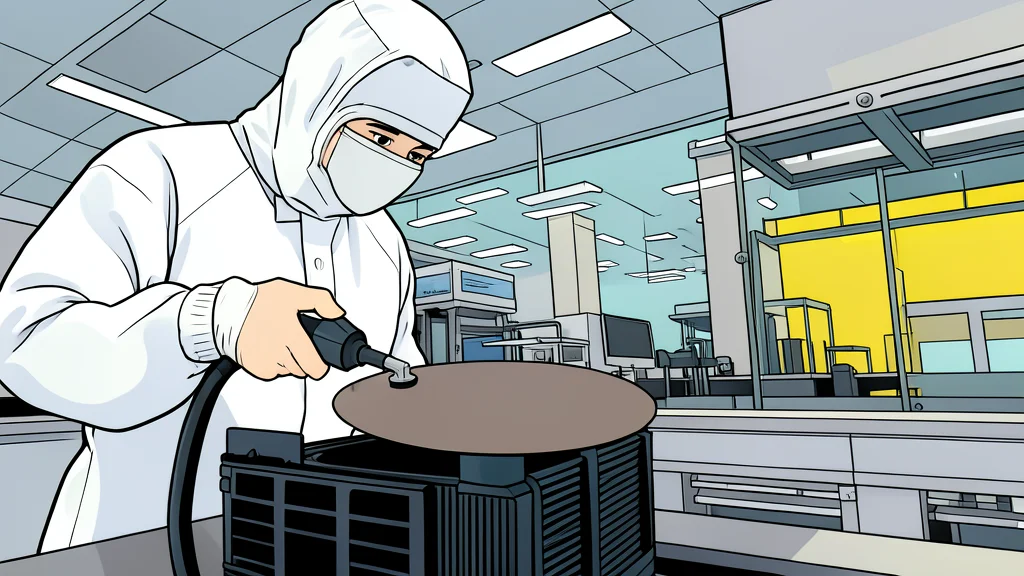
Kioxia Holdings, listed on the Tokyo Stock Exchange, generates 3.76 trillion yen from its memory business. The company supplies NAND flash memory and solid-state drives to data centers and AI servers. These facilities are increasingly used for modern grid analytics, outage prediction, and electrification planning. Kioxia’s market capitalization stands at 27.8 trillion yen, reflecting its central role in high-density storage.
The connection to the power grid is direct. AI-heavy data centers require massive, reliable storage to process the data flows from distributed energy resources. Kioxia’s products enable the high-performance compute environments that support these operations. However, the company faces unresolved pressures that could impact future outcomes in this infrastructure-heavy market segment.
Broadcom Silicon Manages Data Flows
Broadcom, trading on Nasdaq, derives 59.4 billion dollars from semiconductor solutions and 29.7 billion dollars from infrastructure software. This dual revenue stream underpins its position in AI data centers and carrier networks. Utilities rely on Broadcom’s networking hardware to monitor substations, control grid-edge equipment, and route power data in real time.
The company’s market capitalization is 1.6 trillion dollars. Broadcom benefits from rising networking and bandwidth requirements driven by AI infrastructure. Its custom silicon and networking roadmap are critical to managing the complexity of modern data centers. The key financial variable remains how far the company can advance these technologies before margin pressures emerge from increased operational complexity.
Vertiv Converts Power to Compute
Vertiv Holdings Co provides high-density power, cooling, and modular data center infrastructure. The company generated 7.5 billion dollars from the Americas, 2.7 billion dollars from Asia Pacific, and 2.4 billion dollars from Europe, the Middle East, and Africa. Its market capitalization is 90.3 billion dollars. Vertiv’s systems sit at the intersection of the grid and AI compute, turning raw electricity into usable, cooled capacity.
Recent financial data indicates strong demand. Vertiv’s organic orders surged 252 percent year-over-year in the fourth quarter of 2025. The company holds a backlog of 15 billion dollars, which is equivalent to roughly 1.5 years of trailing revenue. This backlog provides visibility into future revenue, though it also highlights the capital intensity of serving the high-density power needs of modern data centers.
These three companies illustrate the broader trend of grid technology investment. Kioxia, Broadcom, and Vertiv are positioned to benefit from the rising demand for efficient power management and data processing. As energy prices remain volatile, the infrastructure that optimizes power use and data flow becomes a critical component of industrial resilience. The performance of these firms will be closely watched as indicators of the health of the wider power grid technology sector.