Meta's Junk Bond Issuance Signals Data Center Financing Surge
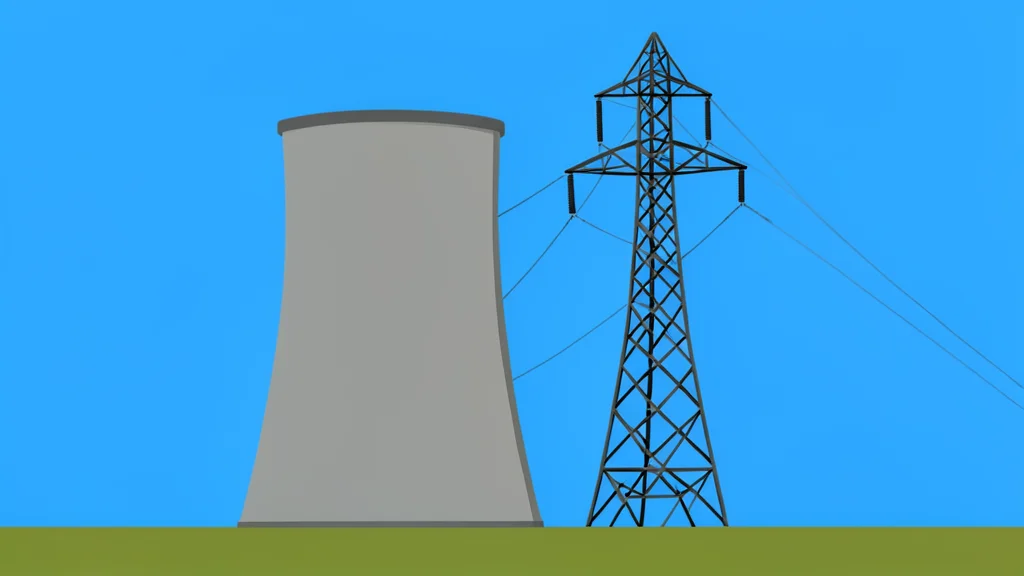
Meta-linked high-yield debt issuance highlights the massive capital requirements for US data center expansion and the resulting strain on the electrical grid.
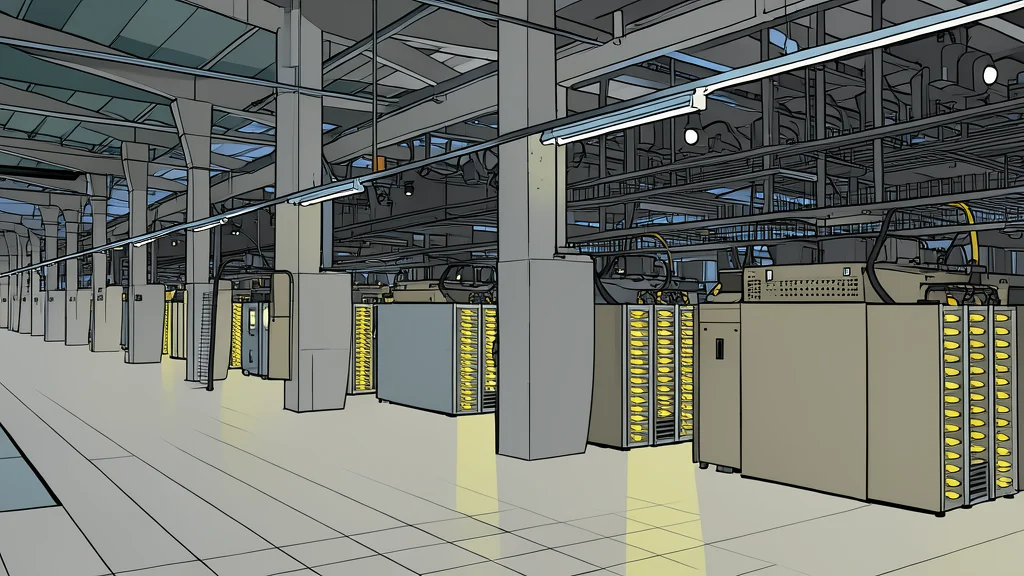
Tech giants are increasingly relying on high-yield debt to fund the rapid expansion of data centers, a trend that has made the sector the largest source of new supply in the US high-yield market. According to data compiled by Bloomberg, data center developers have issued approximately $39 billion in junk bonds this year. This financing surge reflects the intense capital demands of building infrastructure capable of supporting artificial intelligence workloads, as companies like Meta seek to secure long-term power and compute capacity.
The construction of these facilities is directly altering US electricity dynamics. The International Energy Agency projects that data centers will account for roughly half of all new US electricity demand over the next five years. Concurrently, the US Energy Information Administration forecasts that total electricity generation will rise by 2.2% this year to reach a record high. This growth has created a political friction point, with preventing grid costs from being passed to residential households becoming a bipartisan issue ahead of the US midterm elections.
Regulatory shifts raise operational costs
State regulators are intervening to manage the impact of this demand on consumers. Oregon recently adjusted its utility framework, increasing average power rates for major commercial consumers, such as data centers, by nearly 30%. In exchange, the state trimmed average residential electricity prices by approximately 1.3%. While this policy aims to shield households from price spikes, it significantly increases the operational expenses for data center operators, thereby escalating their need for external financing.
Corporate commitments to infrastructure continue to grow despite these cost pressures. Nvidia CEO Jensen Huang stated on September 17 that the company expects chip sales to double over the coming year. On the same day, Amazon and Generac disclosed a long-term supply agreement. Under this deal, Generac will provide approximately $2.4 billion in backup power equipment for Amazon data centers between 2027 and 2028, underscoring the scale of capital deployment in the sector.
Grid stability faces new risks
The aggressive buildout of power generation and transmission infrastructure introduces stability risks to the grid. In July, a sudden drop of nearly 4,000 megawatts of data center load in Northern Virginia caused rapid spikes in grid frequency and voltage. This event occurred within PJM, the largest regional transmission organization in the US. In response, PJM has proposed new reliability standards to mitigate the risks associated with sudden, large-scale load dropouts from data centers.
Recent grid strains have required emergency intervention. Citing unseasonably high temperatures and scheduled maintenance, PJM initiated emergency load management measures on September 17. The organization secured authorization from the US Department of Energy to activate backup generators at major customer sites to relieve grid strain. These incidents highlight the potential instability introduced by the rapid expansion of AI infrastructure and the competition for finite resources like land and water.
Source perspective on power demand
The narrative surrounding these developments aligns with broader market analyses, such as those found in GN auto stocks/utilities: power demand reports. These sources emphasize that the sustainability of AI infrastructure depends on managing both capital deployment and long-term returns. As the Federal Reserve maintains a hawkish stance with recent rate hikes, the risks extend beyond borrowing costs to include environmental concerns and the potential for demand slowdowns that could destabilize the newly expanded power grid.