AI Data Centers Drive Shift to Hybrid Power Architectures

Rising power demands from AI workloads are forcing developers to adopt hybrid energy systems to overcome grid delays and meet aggressive delivery timelines.
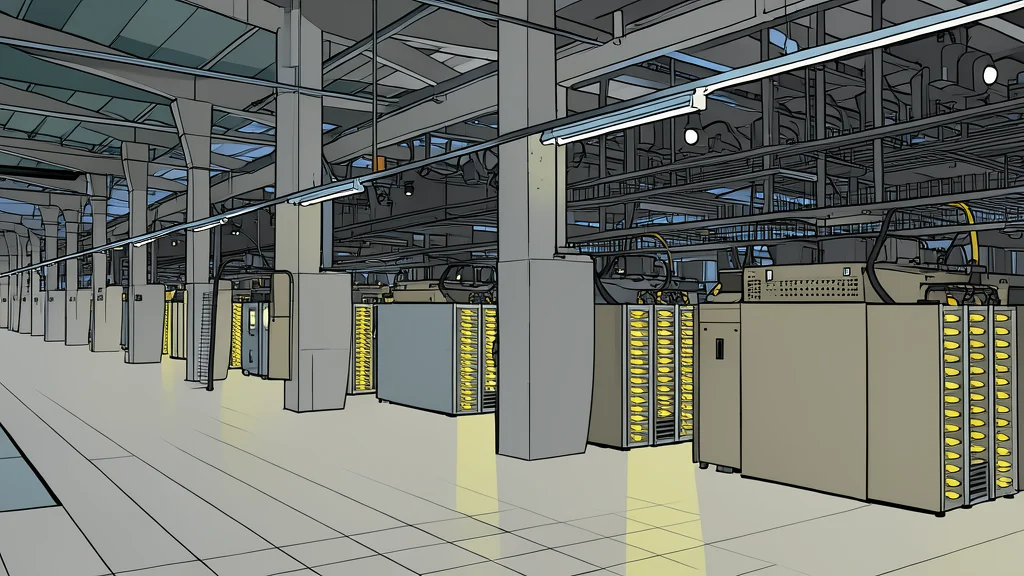
The shift toward artificial intelligence workloads has fundamentally altered the economic calculus for data center developers. Traditional facilities, designed for steady CPU loads, relied on predictable power growth and mature cooling technologies. AI training centers, however, require significantly higher energy densities. This change has compressed project timelines, making the speed of infrastructure delivery a primary competitive factor rather than just a logistical detail.
According to GN auto stocks/utilities: power demand, electricity consumption from data centers has increased at an annual rate of 12 percent over the past five years. This trajectory suggests that future demand will drive substantial increases in power requirements. Developers are now targeting gigawatt-scale facilities, a scale that traditional grid interconnection processes cannot support within current market windows. The inability to secure grid power quickly is pushing the industry toward alternative, faster deployment strategies.
Grid Delays Force Hybrid Solutions
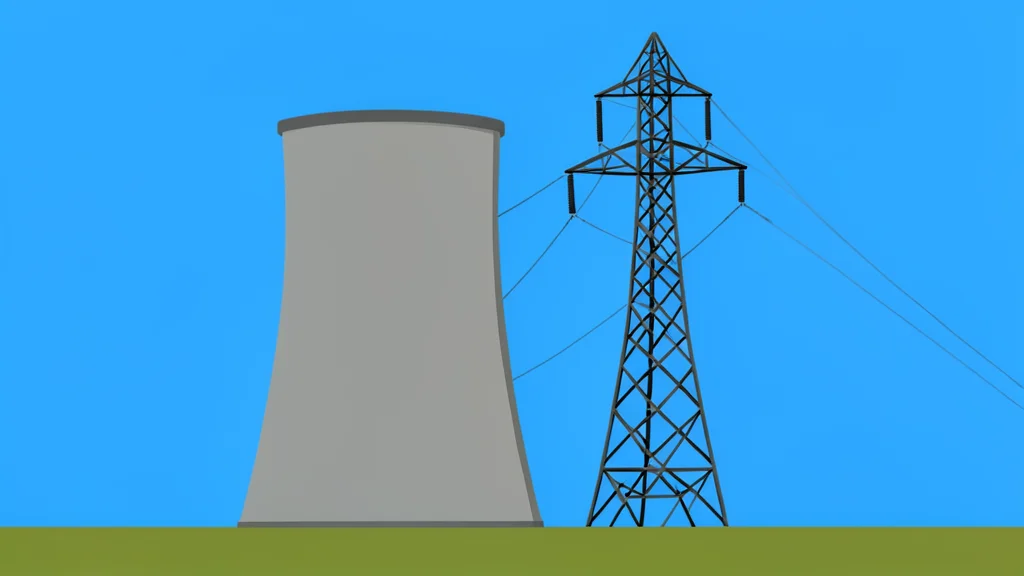
Grid interconnections often delay project timelines by years, a bottleneck that is unacceptable in the current AI infrastructure race. To mitigate this, developers are increasingly adopting behind-the-meter generation options, such as gas turbines and reciprocating engines. These systems allow for rapid deployment and greater operational control compared to waiting for utility connections. However, this speed comes at a cost, requiring higher upfront capital expenditure and introducing complex fuel dependency issues.
Many large-scale projects are now paying a premium for off-grid or hybrid architectures that integrate battery storage and renewable energy sources. These systems are managed through microgrid controls, which enable operators to handle load variability and maintain resilience during islanding events. While grid supply offers lower long-term energy costs and stability, the immediate need for capacity is driving a structural shift in how power is procured and managed for these facilities.
Site Selection Becomes Complex Trade-off
Choosing a location for these facilities is no longer a simple matter of finding cheap land. Teams must balance a series of imperfect options, each with distinct advantages and constraints. A site with low land costs may lack the necessary infrastructure for large-scale development, while another may offer grid access but at a significantly higher cost or with delayed timelines. Developers must prioritize which constraints can be mitigated and which must be accepted.
Critical factors include water availability, fiber connectivity, and permitting timelines. Where grid power is unavailable or delayed, developers introduce hybrid energy solutions to accelerate delivery. This approach requires careful weighing of capital requirements, financing structures, and operational considerations. The goal is to optimize within these constraints to bring capacity online as efficiently as possible, despite the increased complexity of the project structure.
Integrated Campus Design Required
The next generation of AI data centers requires a fully integrated approach across power, cooling, transmission, water, and digital systems. Success depends on designing these facilities as resilient, flexible, and energy-optimized industrial campuses rather than standalone buildings. This integrated design allows for better management of the complex interactions between energy consumption and infrastructure capacity.
As the scale of development grows, so does the complexity of delivering these projects. Developers must navigate stringent reliability targets while managing regulatory, environmental, and community requirements that vary by region. The ability to deliver new infrastructure efficiently is increasingly critical, driven by the rapid compression of timeframes for bringing these massive facilities online. The focus has shifted from construction speed to holistic system optimization.