Chubu Electric Halts Hamaoka Reactor Restart Plans
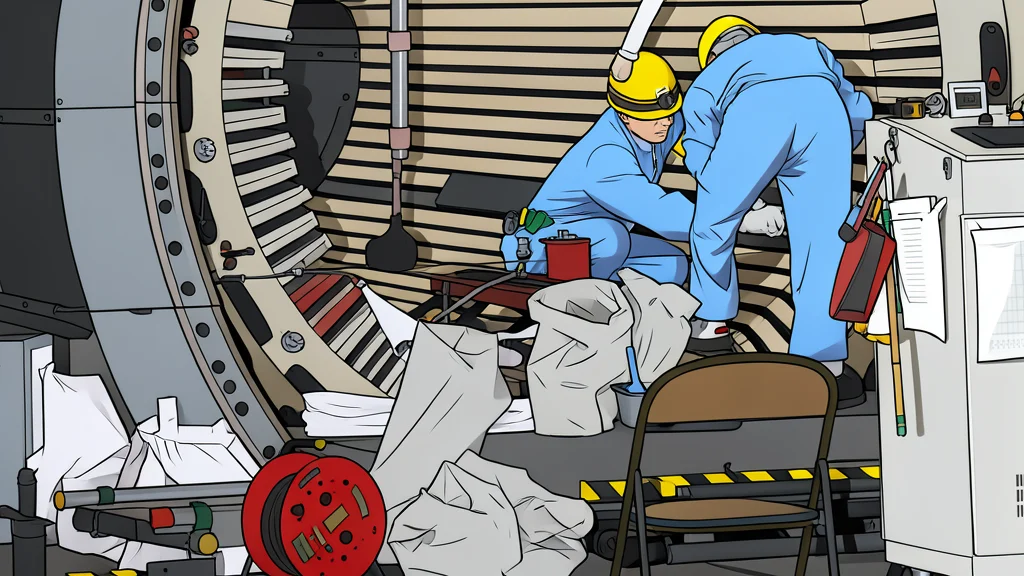
Chubu Electric Power Co has withdrawn its application to restart the No 3 and No 4 reactors at the Hamaoka nuclear plant following an independent committee ruling that the utility submitted inappropriate seismic data.
Chubu Electric Power Co has withdrawn its application to restart the No 3 and No 4 reactors at the Hamaoka nuclear plant in central Japan. The utility made this decision after an independent committee ruled that the company acted inappropriately when selecting and submitting earthquake-safety data to regulators. This move effectively halts the project, which was intended to bring new capacity online for the central region.
In direct response to the committee's findings, Chubu Electric’s two most senior executives resigned on Monday. President Kingo Hayashi and Chairman Satoru Katsuno announced their departures during a press conference in Nagoya. Minoru Yasui has been appointed to replace Hayashi as the company’s new president, marking a significant leadership shift at the utility.
Independent Committee Confirms Data Misconduct
The decision stems from a months-long investigation into the company’s handling of seismic data, a critical factor in one of the world’s most earthquake-prone regions. Chubu Electric first disclosed the potential misconduct to the nuclear regulator in January, at which point it established a panel of independent experts to probe the issue. The panel’s verdict, released publicly on Monday, confirmed that the utility’s selection of data was inappropriate. Japanese broadcaster NHK first reported the news last week, preceding the official public confirmation.
Leadership Resignations Follow Regulatory Scrutiny
The resignation of top leadership signals that the company accepts full responsibility for the procedural failures identified by the committee. The withdrawal of the restart application removes a major source of potential future revenue and capacity for the utility. Chubu Electric, which supplies power to several prefectures across central Japan, currently has no other nuclear reactors in operation, making the Hamaoka plant a critical component of its long-term energy strategy.
Sector Impact Amid Rising Electricity Demand
This development presents a challenge for Japan’s broader efforts to revitalize its atomic power sector. Since the 2011 Fukushima disaster, only about half of the country’s commercially available reactors have restarted, despite increasing electricity demand driven by data centers. The Hamaoka withdrawal adds to a pattern of setbacks, including the recent rejection of safety measures for Hokkaido’s sole facility by the nuclear regulator. Industry observers note that the incident places Hamaoka at the back of the queue for potential restarts, further complicating the utility’s ability to meet regional demand.