Dominion Energy Proposes 3GW Gas Plant Amid Virginia Climate Mandates
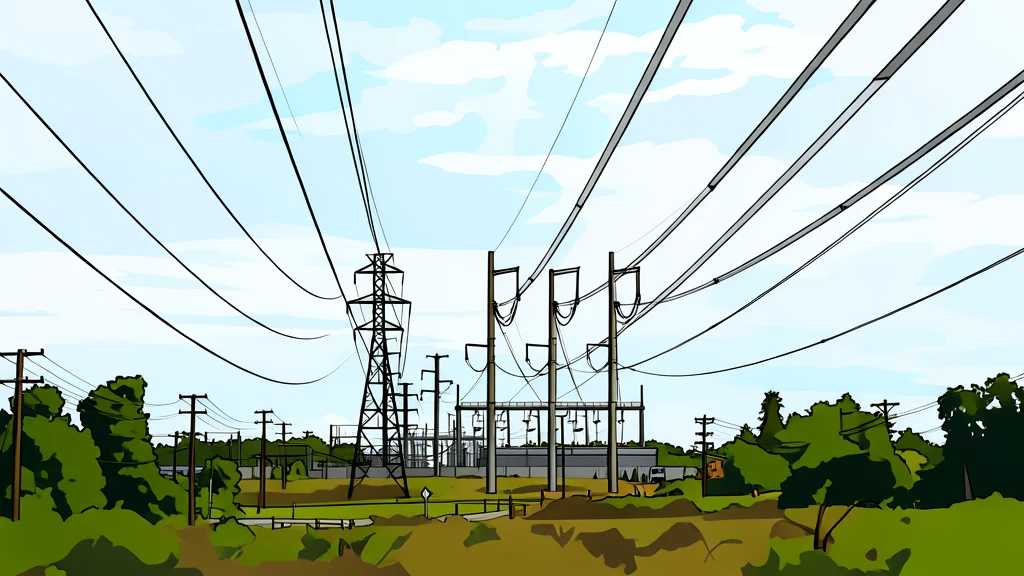
Dominion Energy seeks approval for a massive natural gas facility in rural Virginia, citing data center demand, while regulators weigh the move against the state's 2045 clean electricity targets.
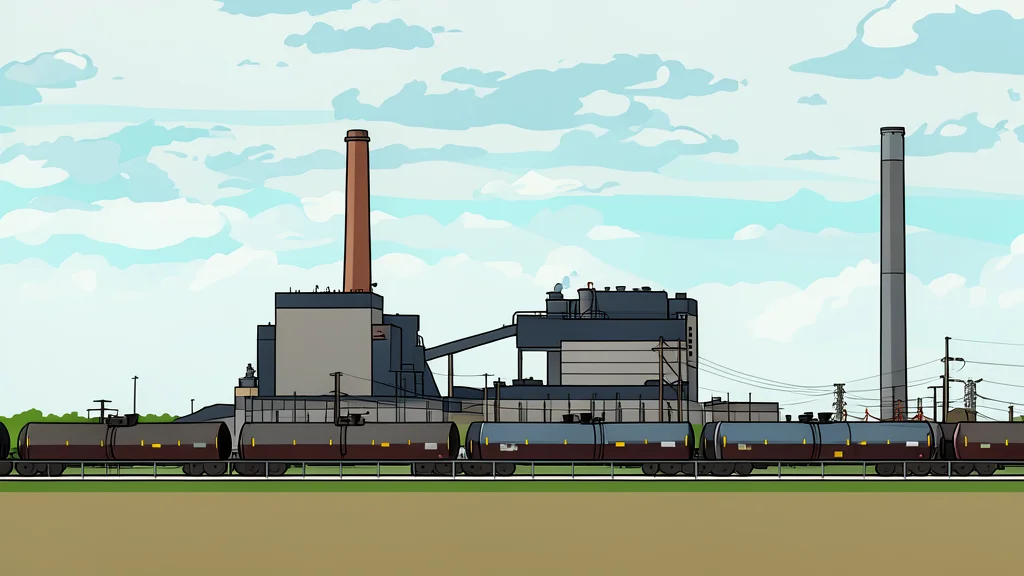
Dominion Energy, the largest utility in Virginia, has applied to construct a 3-gigawatt natural gas facility in Cumberland County. The proposed combined-cycle plant would rank among the largest operating gas facilities in the United States. The company asserts that this infrastructure is necessary to maintain grid reliability as electricity demand surges, driven primarily by the expansion of data centers.
Dominion projects that data centers could account for half of its total electricity sales by 2035. This forecast forms the core of the utility's argument for new fossil fuel generation. However, the proposal directly challenges the state's 2020 Clean Economy Act, which mandates a transition to 100% clean electricity by 2045. The law includes a reliability exception that allows regulators to approve gas plants if they determine that grid stability is at risk.
Legal Tension With State Clean Energy Goals
Regulators have previously utilized the reliability clause to approve a smaller gas plant in Chesterfield County. If the Cumberland project proceeds, critics argue that Virginia's fossil fuel phase-out provisions may become symbolic rather than binding. Dominion maintains that no lower-cost zero-carbon alternative can currently provide the same level of continuous reliability required by its customers.
The state has continued to strengthen its climate framework despite the utility's request. Lawmakers have expanded requirements for battery storage, community solar, and energy efficiency. This legislative activity contrasts with trends in other states that have scaled back ambitious clean-energy targets. The conflict highlights a growing divergence between corporate infrastructure planning and state-level climate commitments.
Environmental And Community Health Concerns
The proposed site is located near the James River in a county with approximately 10,000 residents. Katie Hoffman of the community group Protect Cumberland expressed concern over potential impacts on local air, land, and water quality. She noted that the health risks would extend to neighbors in surrounding counties, not just those directly adjacent to the facility.
Critics emphasize that the facility would increase planet-warming pollution in a region already sensitive to environmental changes. The Southern Environmental Law Center has joined the opposition, arguing that the project contradicts the intent of the state's climate laws. The debate extends beyond emissions to include the long-term environmental footprint of large-scale industrial generation in a rural setting.
Regulatory Hurdles And Alternative Energy Pathways
The project faces significant procedural obstacles, including county approval and two state permits. Dominion indicates that state reviews could extend into 2028, with the earliest possible operating date in 2033. This timeline allows for further analysis of alternative energy mixes that could meet demand without new gas infrastructure.
An independent analysis commissioned by Appalachian Voices and the Southern Environmental Law Center in February 2025 suggests a different strategy. Using Dominion's own high-demand forecasts, the study proposes a mix of increased nuclear power, solar, wind, and significantly more battery storage to meet reliability standards. Shawn Kelly of Advanced Energy United warned that gas plants are built to last 30 to 50 years, potentially locking the state into fossil fuel dependency well beyond the 2045 deadline.