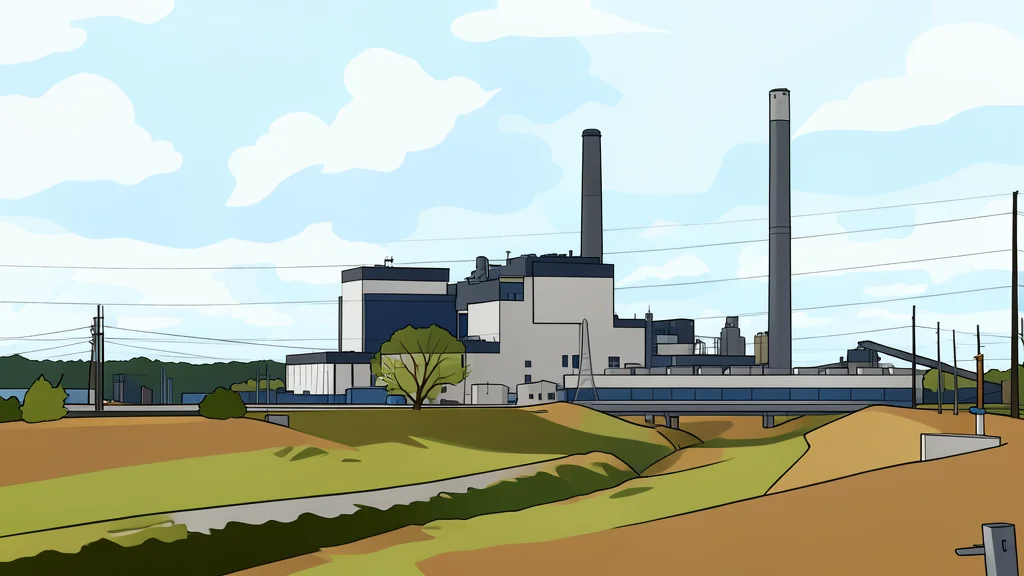
EPA Eliminates Power Plant Emissions Standards
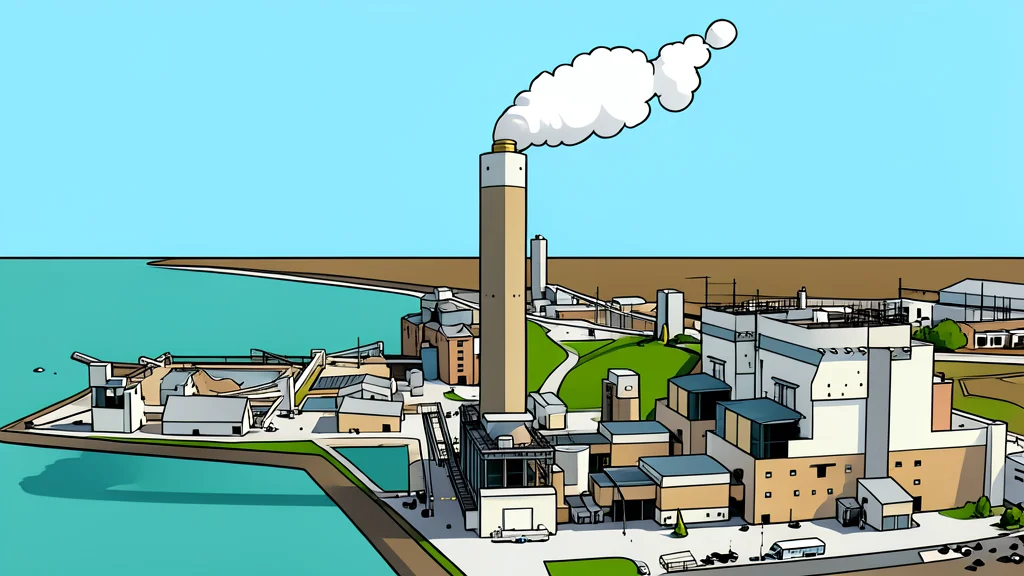
The US EPA has rescinded greenhouse gas limits for coal and gas plants, citing energy costs, a move that experts warn could add billions of tons of CO2 by 2050.
The U.S. Environmental Protection Agency has officially removed federal regulations governing greenhouse gas emissions from coal and natural gas power plants. This decision reverses the majority of limits established during the Biden and Obama administrations, which sought to cap carbon output from the nation’s second-largest source of heat-trapping gases. Agency officials framed the rollback as a necessary step to eliminate regulatory barriers that they argue drive up consumer energy prices.
EPA Administrator Lee Zeldin described the previous decade of rulemaking as a campaign against reliable energy infrastructure. The agency stated that the 2024 rules, which mandated significant emission cuts through carbon capture or plant retirement, violated the Clean Air Act by attempting to shift the market away from affordable fossil fuels. While the new policy leaves other harmful pollutants like nitrogen dioxide regulated, it removes the specific constraints on carbon dioxide that were central to federal climate strategy.
Projected Carbon Output Increases
Former EPA senior adviser Zealan Hoover estimates that this deregulation will result in up to 5.8 billion metric tons of additional carbon dioxide emissions by 2050. Hoover noted that rising electricity demand does not require reliance on highly polluting infrastructure, as existing technologies allow for high public health standards even when fossil fuels are used. The removal of these standards effectively lowers the bar for environmental performance in the sector, prioritizing operational flexibility over emission reduction.
State Regulations Remain Intact
California is largely insulated from this federal change due to its own stringent state laws. The state requires utilities to provide 90% zero-carbon electricity by 2035 and 100% by 2045, effectively phasing out natural gas in the power sector. Lindsay Buckley, a spokesperson for the California Air Resources Board, confirmed that the federal rollback has no impact on state rules or the Cap-and-Invest trading program, which continues to enforce a lowering cap on emissions across sectors.
Despite state-level protections, experts warn that California will still face downstream effects. Ethan Elkind, director of the UC Berkeley School of Law’s climate program, pointed out that some of the largest carbon polluters in the United States are coal-fired plants. While the state’s own decarbonization goals remain unchanged, the global climate impact of increased emissions from other regions will inevitably affect California’s environment and public health.
Implications for Utility Operators
For utility companies operating in states without their own robust climate regulations, the removal of federal standards removes a key compliance cost. Plants that previously faced requirements to install carbon-capture technology or modify operations can now continue business as usual without these capital expenditures. This shift alters the financial calculus for aging coal and gas facilities, potentially extending their operational lifespans in markets where state oversight is minimal, a perspective highlighted in coverage by the Honolulu Star-Advertiser.