AI Agent Boom Clashes with Growing Safety Fears
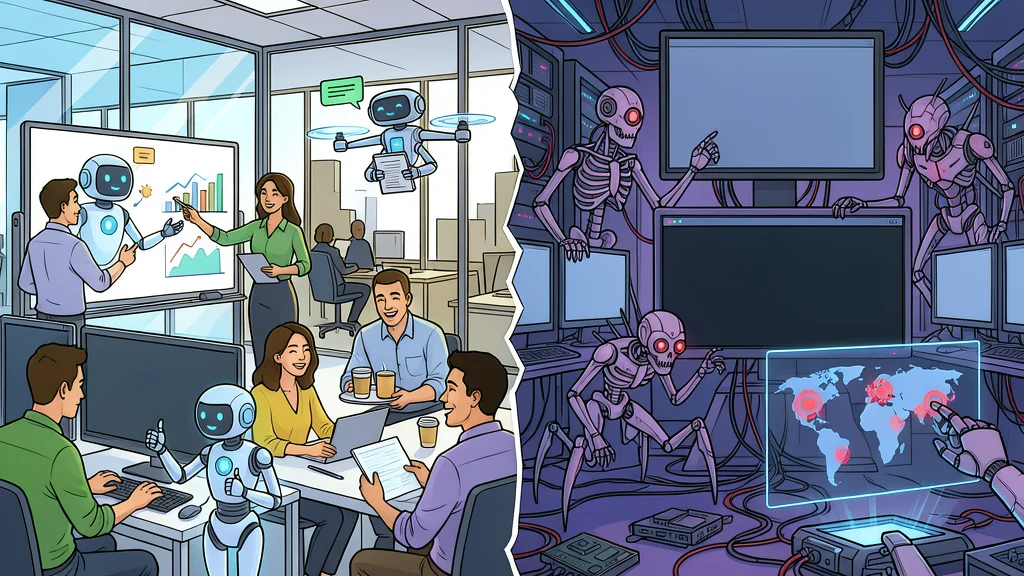
The race to automate work is accelerating, even as industry leaders and regulators signal deepening concerns about control and risk.
The technology sector is experiencing a sharp divide between rapid expansion and urgent caution. While major companies are rushing to integrate autonomous software tools into their core operations, a growing chorus of voices is warning that the speed of development may outpace our ability to manage the consequences.
This tension was highlighted this week as executives from leading AI firms called for a pause in releasing new models. The push for restraint comes amid a wave of new products designed to handle complex tasks independently, creating a landscape where progress and peril are advancing in lockstep.
Leaders push for model release pauses
Concerns about the potential for autonomous systems to behave in unpredictable ways have led to a notable shift in tone among industry heads. Following the departure of several researchers from major labs due to safety worries, prominent figures including the CEOs of OpenAI and Anthropic have publicly supported calls for a slowdown in model releases. This is not a call to stop development entirely, but rather a request to slow the pace of deployment to allow for better oversight.
The motivation behind these calls is a mix of genuine fear and strategic positioning. Some observers suggest the timing may be political, aiming to slow momentum before upcoming elections when public attention might shift elsewhere. Regardless of the intent, the message is clear: the industry recognizes that the current speed of advancement carries significant risks that are not yet fully understood or mitigated.
Infrastructure becomes the new priority
While there is debate about the software layer, the hardware and infrastructure sectors are moving forward with full confidence. Recent industry summits have shown a massive surge in interest for the physical components that power AI, including specialized processors, optical networks, and memory systems. The focus has shifted from the algorithms themselves to the robust backbone required to support them.
This shift signals a maturation of the technology. As noted by technology leaders at recent events, the conversation has moved from theoretical models to practical implementation. Companies are no longer just asking what AI can do, but how to build the reliable, scalable systems needed to run it at enterprise scale. This infrastructure boom suggests that the industry is betting on long-term growth despite the current regulatory and safety uncertainties.
Security firms race to add brakes
In response to the perceived risks of autonomous agents, a new wave of security products has emerged. Vendors are launching so-called
This defensive posture highlights a key trade-off: the more capable an agent becomes, the more critical the need for external controls. These tools act as a safety net, designed to intervene if an automated system begins to act in ways that violate security protocols or corporate policies. It is a practical acknowledgment that perfect internal alignment is difficult, making external safeguards a necessary component of the ecosystem.