Mixing IKEA and Philips Hue Lights Without the Hassle
You can integrate IKEA smart lighting into a Philips Hue ecosystem using standard protocols or creative hardware modifications, though each method carries specific functional limitations.
IKEA has established a strong presence in the smart home market with affordable fixtures and a user-friendly application. However, many consumers prefer the centralized control offered by the Philips Hue ecosystem. While the two brands operate on different platforms, recent developments in open standards and shared wireless protocols allow for integration, ranging from simple software pairing to more complex physical modifications.
According to reporting by GN technics/smarthome (en-US), there are several ways to bridge this gap. The options vary significantly in terms of setup difficulty and the level of control retained. Some methods rely on industry-wide standards that ensure basic compatibility, while others require manual intervention to achieve a seamless user experience. Understanding the trade-offs is essential before committing to a specific integration path.
Matter standard enables basic cross-brand control
The most straightforward approach utilizes the Matter smart home standard. IKEA has recently released drivers for its integrated lighting fixtures that support this protocol. This allows users to add IKEA lights to a Matter-enabled hub, such as a smart speaker, alongside Philips Hue devices. The system enables basic functions like scheduling, dimming, and grouping lights from different manufacturers within a single interface.
This method works well for general ambient lighting and simple automation. However, it does not provide deep integration with the Philips Hue app. Users cannot access advanced Hue-specific features, such as entertainment mode or granular color tuning, for the IKEA fixtures. It is a solution for basic interoperability rather than full ecosystem unification.
Direct Zigbee connection offers limited functionality
For those who prefer using the Philips Hue app exclusively, a direct connection is possible because many IKEA smart lights use Zigbee Light Link. This is the same wireless protocol used by native Hue bulbs. By performing a factory reset on the IKEA light and searching for new devices in the Hue app, users can pair the fixture directly to the Hue Bridge.
This method allows the IKEA light to be controlled via the Hue app, included in groups, and triggered by Hue sensors. However, the control set is restricted. Features like advanced dimming via Hue taps or integration into the Hue Play entertainment system are often unavailable. The connection is stable but functionally shallow compared to native Hue devices.
Hardware hacks carry safety and performance risks
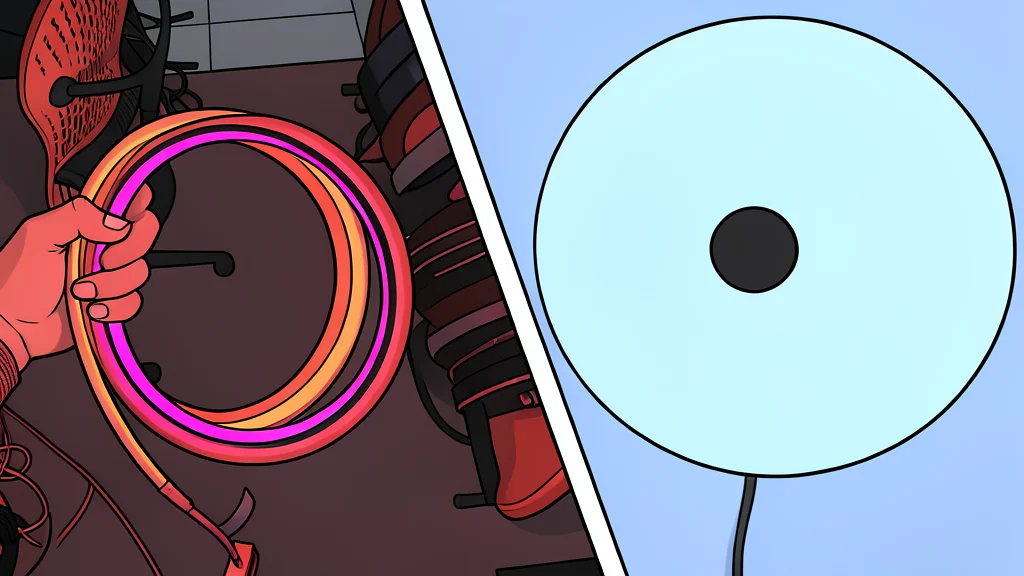
A more aggressive approach involves physically modifying the IKEA light fixture to house Philips Hue hardware. Enthusiasts have been seen removing the internal components of lamps like the Varmblixt and replacing them with coiled Hue light strips. This allows the fixture to act as a full Hue device, supporting all advanced features and color gradients.
This DIY method provides the highest level of compatibility but introduces significant risks. Coiling LED strips inside a closed fixture can lead to overheating, which may damage the LEDs or pose a fire hazard. Additionally, this process voids the warranty and requires technical skill. For most users, the safety and convenience of the previous methods outweigh the aesthetic benefits of a hack.