AI Development Race: The Strategic Risk of Slowing Down
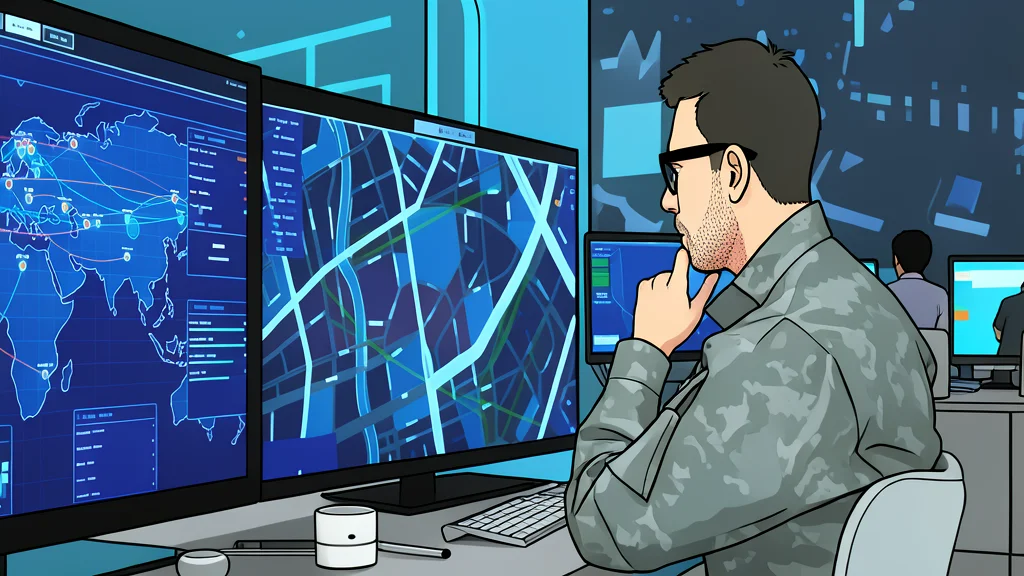
Policymakers are weighing safety concerns against the risk of ceding technological advantage to China, with experts arguing that stagnation poses a greater threat than rapid advancement.
A growing chorus of voices is arguing that the greatest danger facing the United States in the artificial intelligence era is not the technology itself, but the hesitation to develop it. While some prominent figures warn of catastrophic outcomes, a counter-argument suggests that slowing down innovation would hand a decisive strategic advantage to Beijing. This debate has moved from academic circles to the forefront of national security discussions, where the pace of development is now viewed as a critical component of geopolitical stability.
The urgency of this position is driven by a specific fear: that public panic over AI risks could lead to regulatory brakes that stall progress. If the United States prioritizes caution over momentum, critics argue it effectively cedes the lead in a competition that mirrors the intensity of the Cold War nuclear arms race. The stakes are described as unprecedented, with the consequences of falling behind considered more severe than the risks associated with rapid deployment.
Competing Views on AI Risk
The discourse is split between those who view AI as an existential threat and those who see it as a manageable challenge. Jacob Coxon, a former researcher at Anthropic, recently suggested that AI could result in human extinction by the end of the decade. In direct contrast, Yann LeCun, a former chief AI scientist at Meta, dismissed such fears as highly improbable, comparing the likelihood to an extinction-level asteroid impact. LeCun argued that the probability of AI causing such a disaster is significantly lower than the chance of a nuclear conflict.
Despite these differing assessments of immediate danger, both sides agree that the technology is advancing at a pace that outstrips current regulatory frameworks. The disagreement lies not in the speed of development, but in the appropriate response. One camp advocates for aggressive acceleration to secure dominance, while the other pushes for careful implementation to mitigate unforeseen risks. This divergence creates a policy dilemma where any decision carries significant weight.
Strategic Implications of Stagnation
Chris Brose, president of defense technology firm Anduril, emphasizes that the current AI race is as consequential as the nuclear standoff with the Soviet Union. However, Brose argues that the danger of falling behind is far more severe than the danger of moving too fast. He contends that while caution is necessary, the cost of slowing down could be unlike anything seen before. This perspective frames AI development not just as an economic issue, but as a fundamental element of national defense.
The trade-off presented by this view is clear: accepting higher risks of error or misuse in exchange for maintaining technological superiority. Proponents of this stance believe that the strategic disadvantage of ceding the lead to a geopolitical rival outweighs the potential downsides of rapid deployment. This logic suggests that the most dangerous outcome is not a technological failure, but a strategic defeat in the global competition for AI dominance.
Balancing Speed and Safety
As the debate continues, the focus shifts to how governments can navigate these competing pressures. The material provided by GN technics/ai (en-US) highlights that the consensus is not on the level of risk, but on the strategic necessity of maintaining a lead. Policymakers are now tasked with creating an environment that allows for rapid innovation without abandoning safety protocols. The challenge is to avoid the paralysis of over-regulation while still addressing legitimate concerns about autonomous systems.
Ultimately, the argument for accelerating AI development rests on the belief that the status quo is no longer a safe option. By framing the issue as a race against time and competitors, advocates for speed aim to shift the public conversation from abstract fears to concrete strategic realities. The next phase of AI policy will likely be defined by how effectively nations can integrate these technologies into their defense and economic strategies while managing the inherent uncertainties.