Humanoid Robot Sensor Market Expected to Surge by 2035
Analysts project a massive expansion in physical AI hardware, with humanoid robot shipments forecast to reach millions despite global debates over slowing artificial intelligence development.
While high-profile voices in the tech industry call for a pause on artificial intelligence expansion due to safety concerns, the market for the physical hardware that powers these systems is accelerating. Analyst firm Omdia estimates that 15,000 humanoid robots were shipped in 2025, a figure projected to climb to 2.7 million by 2035. This growth is driven by the increasing demand for sensors that allow these machines to perceive their surroundings, interact with humans, and navigate complex environments.
The rapid adoption of humanoid robots is creating a distinct growth area within the broader sensor and micro-electro-mechanical systems (MEMS) market. According to data presented at the MEMS and Sensors Technical Congress, this sector is expected to see a calculated annual growth rate of 68% through 2035. This trajectory stands out against a more modest 5% overall growth forecast for the entire sensor industry, which includes automotive, consumer electronics, and communication devices.
Sensors enable complex robotic interaction
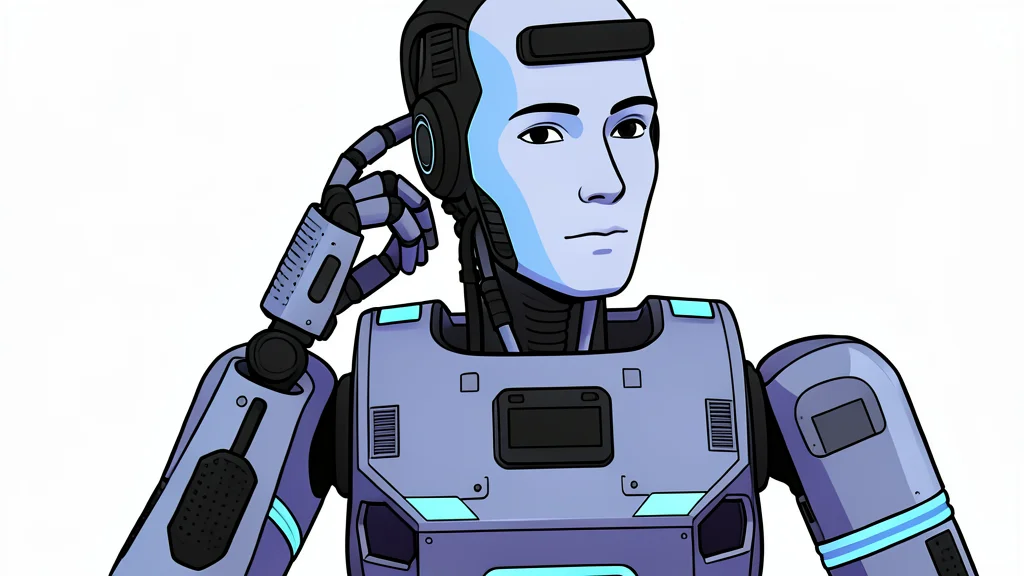
Humanoid robots require a dense array of sensing technologies to function safely and effectively. A single head unit typically integrates image sensors, time-of-flight sensors, radar, lidar, and infrared capabilities. The hands and fingers demand even more granular data, using pressure, temperature, and touch sensors to manipulate objects with precision. These components work together to provide the real-time feedback necessary for decision-making, allowing the robot to move and communicate with its environment.
Different manufacturers are taking different approaches to this sensing architecture. For instance, Tesla’s Optimus relies heavily on cameras and AI models to predict future states, avoiding the use of lidar. In contrast, Unitree’s H1 model incorporates 3D lidar and depth cameras. This divergence highlights a key trade-off in the industry: relying on computational prediction versus direct environmental mapping. Both methods require significant semiconductor support to process the vast amounts of data generated by these physical interactions.
China leads industrial robot production
The global supply chain for these robots is heavily skewed toward Asia. In 2025, the Asia-Pacific region accounted for 78% of industrial robot production, compared to just 5% in America and 17% in Europe. Among humanoid-specific manufacturers, Chinese firms Agibot, Unitree, and UBTech hold the largest market shares, collectively dominating the sector. Western competitors like Tesla, Figure AI, and Nura each hold smaller portions of the market, though they are increasing their presence.
Analyst Nora Houlihan noted that while regulatory or ethical debates in the US and Europe might slow local growth, China’s continued expansion will likely drive overall shipment numbers upward. Because Chinese manufacturers represent a significant portion of the global market, their production volumes are expected to sustain high growth rates regardless of policy shifts in other regions. This dynamic ensures that the demand for specialized sensors and MEMS devices will remain robust, even if the pace of AI software development faces scrutiny.
Memory constraints challenge hardware expansion
Despite optimistic shipment forecasts, the industry faces significant supply chain hurdles. A continuing global memory crunch is impacting all industries, including robotics, automotive, and consumer electronics. This scarcity of memory chips could constrain the rate at which new devices can be produced and deployed. Additionally, the smartphone and tablet markets are experiencing slowdowns, which reduces the overall growth rate for wireless communication sensors. This means that while the humanoid sector grows rapidly, it does so within a broader market that is facing tighter hardware constraints.
The rise of humanoid robots is part of a larger shift toward physical AI, where machines interact with the real world. As more sensors are integrated into these devices, the need for advanced semiconductor technology becomes critical. The balance between rapid hardware adoption and the technical limitations of the supply chain will define the next decade of robotics. For consumers and businesses, this means a future where robots are increasingly capable, but also where the cost and availability of the underlying components remain key factors in market adoption.