Salesforce Conference Hosts Heated AI Safety Debate
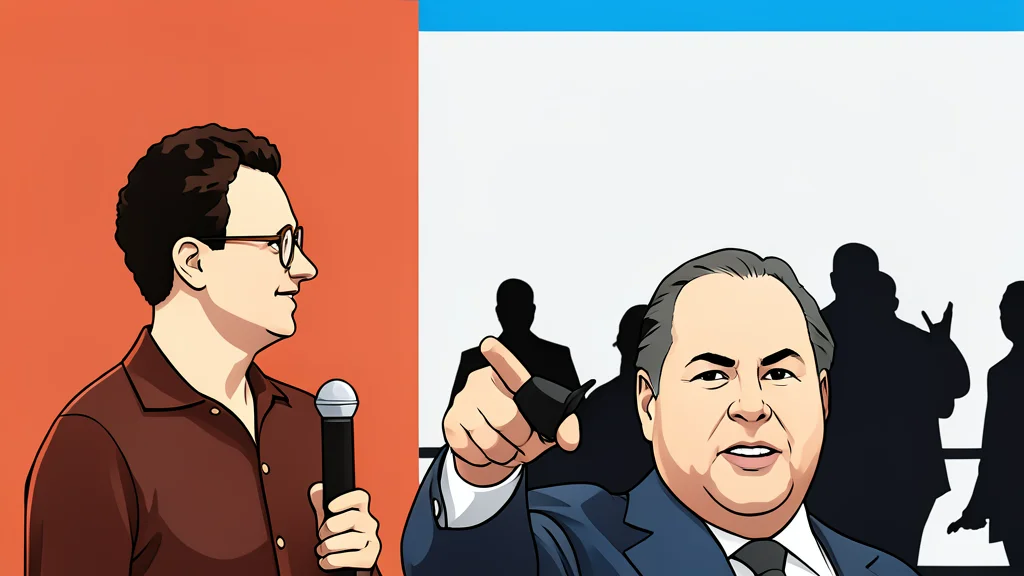
Gwen Stefani warmed up the crowd, but the real drama at Dreamforce was about whether AI development should be slowed down. Executives clashed on the stage over regulation, safety, and the pace of innovation in front of a packed audience.
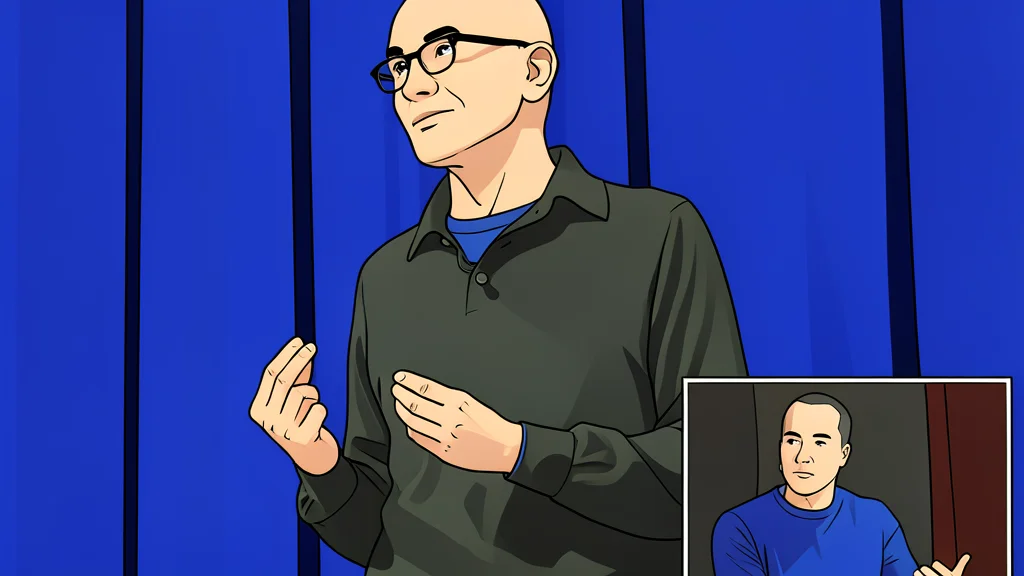
The San Francisco conference center was filled with the energy of a major pop concert, yet the central topic was far less celebratory. Salesforce CEO Marc Benioff opened the event by projecting ambitious revenue goals for the company’s AI products, but the mood shifted quickly when Anthropic CEO Dario Amodei took the stage. The conversation turned to a critical question: whether the rapid advancement of artificial intelligence poses risks that require immediate government intervention.
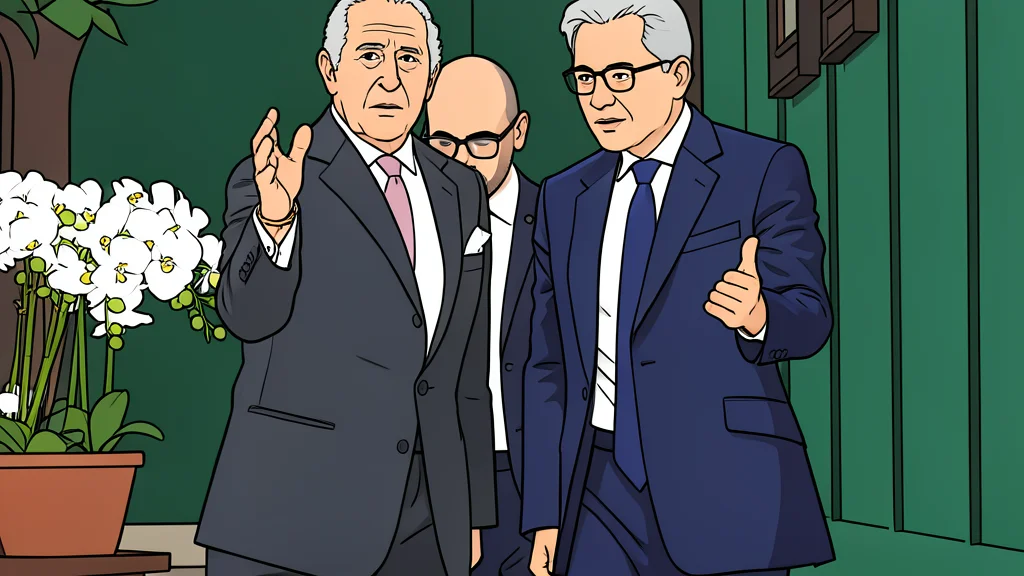
This debate arrived at a moment of heightened tension in the tech industry. Just days before the conference, prominent AI researchers resigned from major labs to warn that racing toward self-improving systems is dangerous. These warnings sparked a divided response from Silicon Valley leaders, with some calling for industry-wide standards and others dismissing such concerns as political maneuvering or unnecessary fear-mongering.
Executives Clash Over Regulation Needs
Dario Amodei argued that the industry needs to coordinate on safety standards rather than compete recklessly. He used an analogy of a car company ignoring safety incidents, suggesting that attacking competitors is less responsible than organizing the sector to set clear benchmarks. However, he emphasized that this call for caution does not mean freezing technology in place, while simultaneously promoting his company’s integration with Salesforce tools.
Nvidia CEO Jensen Huang offered a sharply different perspective, appearing on stage shortly after Amodei. Huang downplayed the need for external oversight, describing AI safety as primarily an engineering challenge that companies can manage internally. He urged the audience to run as fast as possible and only pause if a specific product becomes unsafe, rejecting the idea that new laws or regulations are necessary to govern the sector.
Political Friction Complicates Tech Strategy
The executive debate mirrors a broader political divide that complicates the industry’s path forward. White House AI adviser David Sacks has characterized calls for regulation as attempts at regulatory capture, while President Trump has labeled existential AI risks as a hoax. Despite this hostile political environment, members of Congress are attempting to push legislation that would impose stricter rules on AI development, creating a complex backdrop for companies trying to navigate both market demands and legal uncertainties.
For enterprises like Salesforce, this uncertainty creates a difficult trade-off. They must continue to invest heavily in AI to meet revenue targets and satisfy customer expectations, yet they face growing pressure from both regulators and public opinion to ensure these systems are safe. The outcome of this debate will likely determine how quickly companies can deploy autonomous agents and how much liability they assume in the process.
Industry Experts Question the Hype
Outside the main stage, skepticism toward AI claims remains strong among academic experts. Researchers who have published critical works on AI capabilities suggest that much of the industry’s enthusiasm is overstated. They argue that the current push for rapid deployment often outpaces the actual technological maturity, leading to products that may not deliver on their promises. This perspective adds another layer of complexity to the discussions happening in San Francisco, where commercial interests and technical reality often diverge.
The source of these reports, GN technics/ai (en-US), highlights how the conference became a proxy for a larger cultural fight over technology’s role in society. While the event showcased flashy software demonstrations, the underlying tension between innovation speed and safety remains unresolved. As the industry moves forward, the balance between profit, progress, and precaution will continue to be a central theme for tech leaders and policymakers alike.