ASUS Launches Compact AI Mini PC with Snapdragon Chip
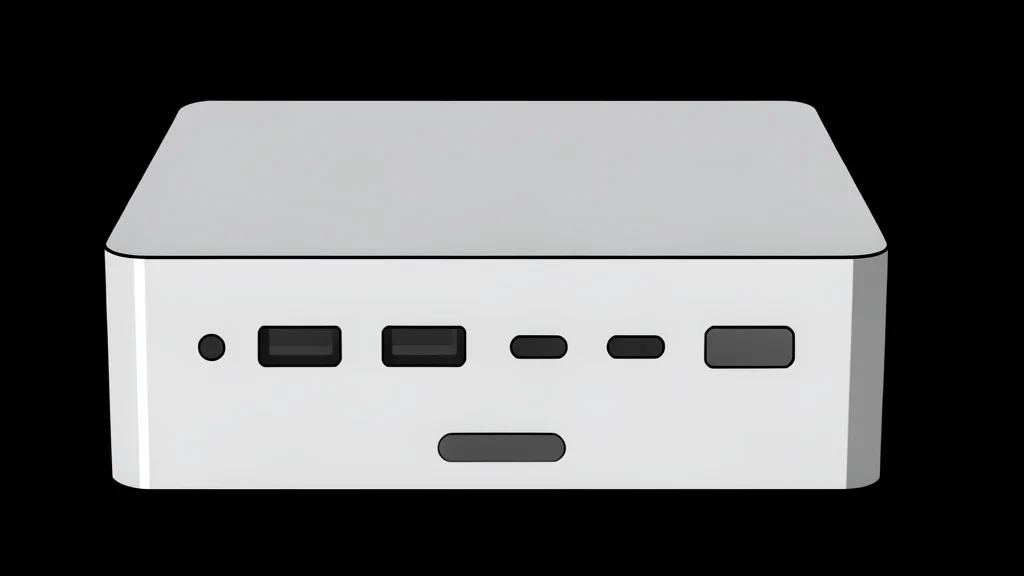
ASUS has introduced the Ascent QN10, a small computer designed to run artificial intelligence tasks locally without relying on the cloud. The device targets professionals who need powerful processing in a limited space.
ASUS has officially announced the Ascent QN10, a mini PC that claims to be the first of its kind to feature an 80 TOPS Neural Processing Unit. This hardware allows the computer to handle complex AI tasks directly on the device rather than sending data to remote servers. The system is built around the Snapdragon X2 Elite platform, which includes an 18-core CPU and advanced graphics capabilities.
The primary advantage of this design is efficiency. By processing AI workloads locally, the computer can perform real-time translation, content generation, and video enhancement with lower power consumption. According to reporting from GN auto tech/hardware, this approach aims to provide a quiet and cool operating experience suitable for office environments or creator studios.
Compact Size For Desktop Performance
The physical footprint of the Ascent QN10 is under 0.7 liters, making it significantly smaller than traditional desktop towers. ASUS states that the unit is 86 percent smaller than conventional 5-liter systems. This reduction in size allows the device to fit unobtrusively into modern workspaces without requiring dedicated desk space.
Despite its small size, the machine includes integrated graphics powered by a Qualcomm Adreno GPU. This component is reported to be 2.3 times faster than the previous generation, supporting higher-resolution displays and smoother visual performance for creative professionals.
Security Features For Enterprise Use
A key focus of this release is data protection. The hardware incorporates a multi-layered security architecture that spans from the physical chip to the cloud. It includes a firmware TPM 2.0 module for credential protection and a Microsoft Pluton security processor for identity management.
These features are designed to help organizations safeguard sensitive information while deploying intelligent applications. The security stack aims to defend against evolving threats and support privacy-focused workflows, which is critical for businesses handling confidential data.
Trade-Offs In Local AI Processing
While local AI processing offers speed and privacy benefits, it comes with specific constraints. Users must rely on the hardware's limited memory and processing power compared to massive data center clusters. This means that extremely large AI models may still require cloud assistance for the most demanding tasks.
Additionally, the compact design limits upgrade options. Unlike traditional desktops, mini PCs often have fixed components, meaning users cannot easily swap out the CPU or add discrete graphics cards later. Buyers must choose the configuration that meets their needs at the point of purchase.