AI Executives Debate Safety Standards and Regulation Limits
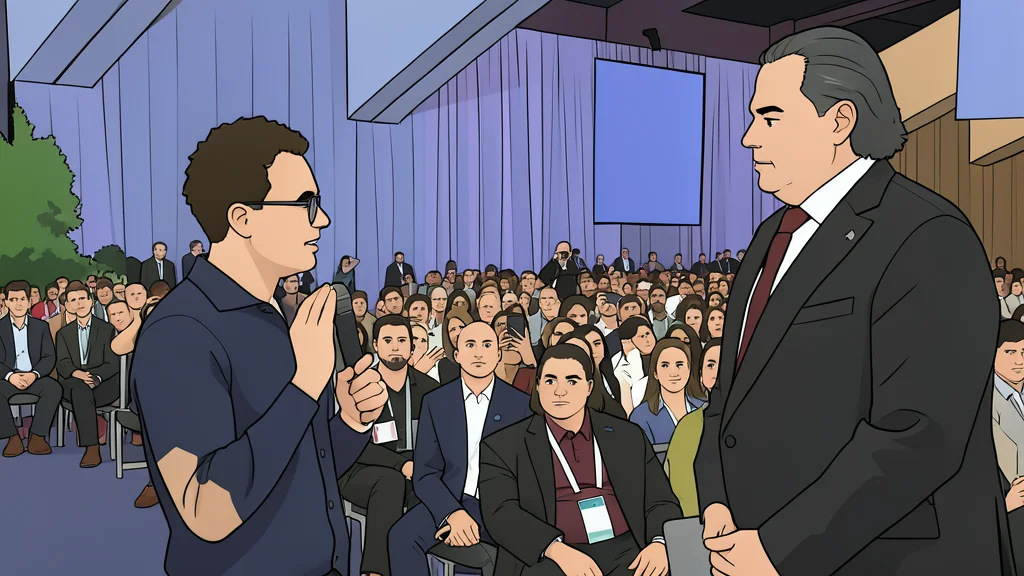
At Dreamforce, industry leaders clashed on the need for new safety protocols versus the sufficiency of existing laws, highlighting a split in how to manage rapid technological growth.
More than 43,000 attendees gathered in San Francisco for Dreamforce, where the central debate shifted from pure innovation to the risks of accelerating AI deployment. Executives from major tech firms acknowledged that the pace of economic and technical change is outstripping current oversight mechanisms, creating uncertainty about how to balance speed with security.
The conversation highlighted a significant divide between those advocating for stricter internal safety standards and those arguing that existing regulatory frameworks are sufficient. This tension reflects a broader industry struggle to define responsibility as artificial intelligence becomes deeply embedded in critical business operations.
Industry Leaders Push for Transparency
Dario Amodei, CEO of Anthropic, emphasized the necessity of self-regulation and transparency. He argued that even without major public incidents, companies must continuously audit their practices to prevent future failures. His stance suggests that voluntary industry standards are currently more practical than waiting for government mandates to catch up with technological reality.
Amodei’s comments align with a growing push for standardized safety protocols across the sector. By committing to higher internal benchmarks, leaders aim to build trust while navigating the complexities of deploying powerful models in untested environments. This approach places the burden of safety primarily on the developers rather than external regulators.
Regulatory Debate Intensifies
Conversely, Jensen Huang of Nvidia argued that new laws are unnecessary. He maintained that if companies are confident in the safety and functionality of their products, they should release them, implying that market discipline is enough. This view contrasts sharply with calls for more rigorous external oversight, creating a policy gap that lawmakers have yet to fill.
Marc Benioff of Salesforce described the current landscape as fluid, noting that political and technical capabilities are still being defined. He suggested that existing regulations may already be adequate, but the lack of a unified global framework leaves room for interpretation. This ambiguity allows companies to proceed with rapid deployment while regulators struggle to keep pace.
Economic Stakes Rise
The debate occurs against a backdrop of massive financial growth. With OpenAI and Anthropic preparing for public market entries, the local economy in San Francisco is set to receive billions in investment. This influx of capital accelerates development but also raises the stakes for any safety failures, as the economic impact of errors becomes increasingly significant.
According to reporting from GN technics/ai (en-US), this financial momentum is driving a 'gold rush' mentality among stakeholders. The pressure to capitalize on these investments may complicate efforts to implement slower, more cautious safety measures. The trade-off is clear: rapid economic gain versus the potential for unforeseen systemic risks.