India's EV Charging Network Needs Reliability over Numbers
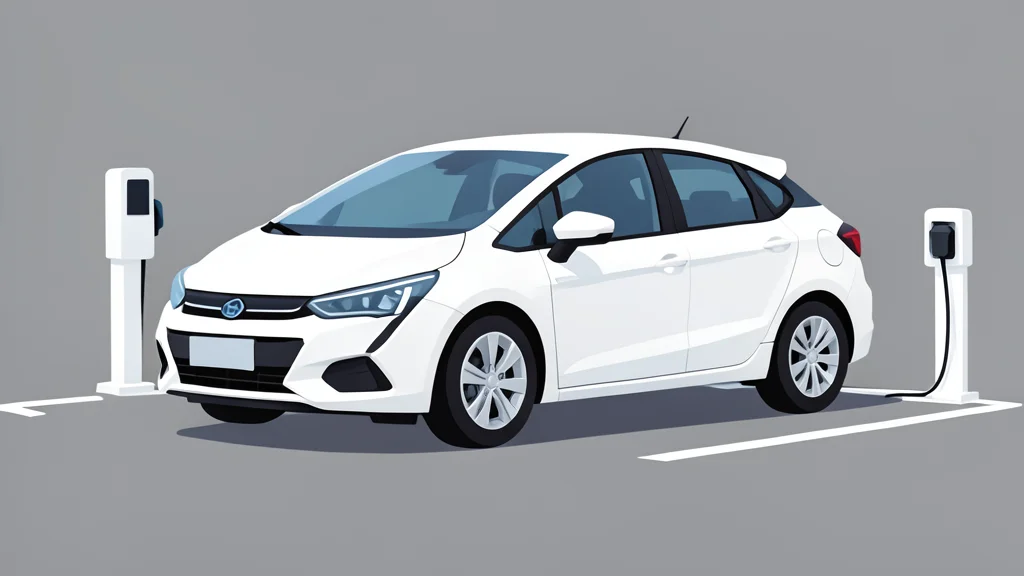
India has installed thousands of new electric vehicle chargers, but reliability and cost remain major hurdles for drivers.
India’s electric vehicle market is expanding rapidly, with annual sales jumping from 50,000 units in 2016 to roughly 2.5 million in the 2025-2026 financial year. This surge is driven by rising fuel prices and improved model availability. However, the number of chargers installed does not fully capture the reality on the road.
According to a report by the Institute for Energy Economics and Financial Analysis, known as IEEFA, the primary challenge is no longer the absence of infrastructure but the quality of the experience. Drivers often face unreliable public stations, high costs, and difficulties connecting to the grid at home. These friction points threaten to slow the transition to electric mobility despite strong sales growth.
Charger Count Does Not Equal Convenience
The number of public charging stations has grown from 5,151 in 2022 to 52,718 by July 2026. While this represents a massive infrastructure build-out, it does not guarantee that drivers can rely on these stations. A critical issue is interoperability, which means a driver using one charging network may not be able to easily use a station from a different provider. This fragmentation forces users to manage multiple apps or cards, adding unnecessary complexity to a simple task.
Reliability is another significant concern. If a charger is broken or offline, the convenience of having many stations is lost. The report highlights that uptime and consistent performance are just as important as the total count. For the charging network to be truly useful, it must work seamlessly across different brands and locations without requiring the user to troubleshoot technical issues.
High Costs and Grid Delays Hinder Adoption
Cost remains a major barrier for many potential EV owners. Public charging often carries a high Goods and Services Tax, making it more expensive than refueling a conventional car. Additionally, the capital expenditure required to upgrade the local electrical grid to handle increased load is substantial. These costs are often passed down to consumers or delay the installation of new home charging points, creating a financial friction that discourages adoption.
Grid connection delays are particularly painful for homeowners who want to charge their vehicles overnight. The process of getting approval from local power distribution companies can be slow and bureaucratic. Without a smooth path to home charging, which is the preferred method for most users, the daily convenience of EV ownership is significantly reduced. This administrative hurdle is a key factor in the mixed adoption rates seen across different vehicle segments.
Policy Must Focus on Ecosystem Stability
To address these issues, the report suggests a holistic approach that goes beyond just subsidizing hardware. Policy interventions should focus on reducing friction in the charging process. This includes standardizing interoperability so that any charger works with any vehicle, and streamlining the approval process for grid connections. By making the ecosystem more stable and predictable, the government can help ensure that the rapid growth in sales is matched by a smooth user experience.
The case study of Delhi, which has one of the most ambitious EV policies, offers insights into what works and what needs improvement. The report emphasizes that future strategies must balance convenience, cost, and ecosystem enablers. Only by solving the underlying reliability and cost issues can India fully realize the potential of its electric vehicle transition.