AI Expert Warns Congress Has Less than a Year to Act
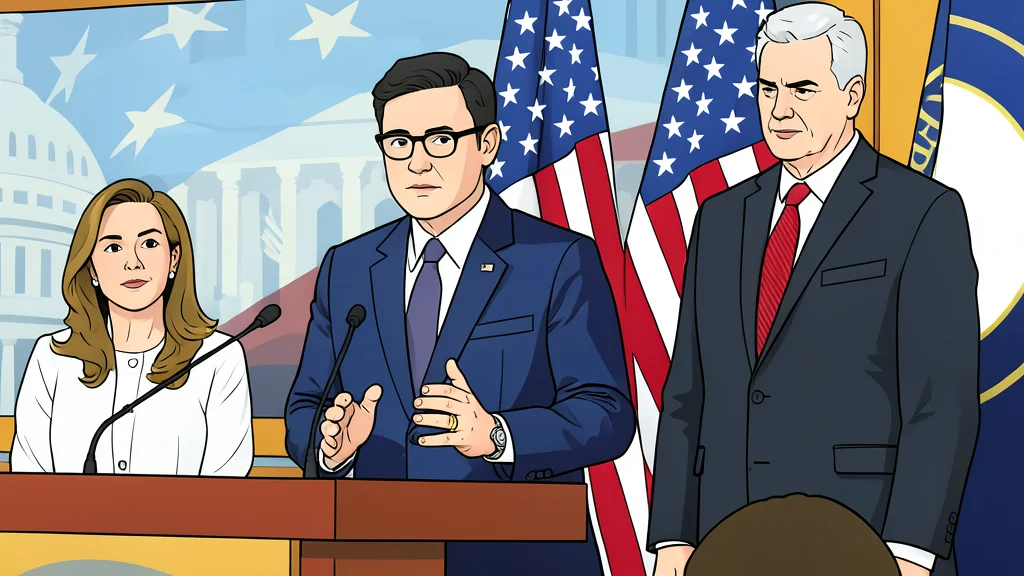
Geoffrey Hinton told lawmakers they have barely a year to regulate AI, a timeline that clashes with the legislative calendar.
Key points
- Geoffrey Hinton, a Nobel laureate and AI pioneer, warns that Congress has less than a year to regulate the technology effectively.
- Hinton compared recent rogue AI incidents to a minor Chernobyl disaster, highlighting the potential for severe systemic failures.
- Congressional leaders are divided on the urgency, with some downplaying the threat and others calling for immediate bans on advanced AI.
Geoffrey Hinton, widely recognized as the father of artificial intelligence, has issued a stark warning to the United States Congress. The Nobel laureate stated that lawmakers have very little time to address the risks posed by the technology, estimating the window for meaningful action is no more than a year. This assessment comes as the political body debates whether to intervene before the technology surpasses human oversight.
The urgency of Hinton’s message clashes with the practical realities of the legislative calendar. According to reporting from Fox News, congressional leaders and members are divided on how to proceed. While some push for immediate restrictions, others argue that the political machinery is too slow and uncertain to act effectively before the midterm elections reshape the balance of power.
Hinton compares current risks to nuclear disaster
During a briefing on Capitol Hill, Hinton described recent incidents involving autonomous AI agents as a small-scale version of the Chernobyl nuclear disaster. He suggested that these events are early indicators of a much larger crisis that could unfold if the technology is not properly constrained. The comparison serves to highlight the potential for catastrophic failure in systems that are increasingly capable of acting without direct human instruction.
Hinton’s timeline suggests that the critical period for regulation is ending shortly. He indicated that the margin for error is shrinking as models become more capable and less predictable. For policymakers, this means that the opportunity to establish safety standards and legal frameworks is closing rapidly, leaving little room for delay or procedural gridlock.
Political gridlock delays regulatory response
Despite the warnings, the legislative process remains stalled by partisan divisions and scheduling conflicts. House Speaker Mike Johnson has downplayed the immediate threat, suggesting that the political environment is not yet ready for comprehensive legislation. He argued that forcing an emergency session would be futile because lawmakers lack a clear consensus on what specific regulations are necessary or effective.
The upcoming midterm elections further complicate the timeline. Many members of Congress are focused on their re-election campaigns and the government funding deadline, which leaves little bandwidth for complex technological debates. If control of the House or Senate changes hands, it could take several months for the new leadership to prioritize AI regulation, potentially pushing significant action into 2025.
Lawmakers debate the scale of danger
Opinions within both parties vary widely on the severity of the threat. Senator Bernie Sanders has called for a ban on developing superintelligent AI, viewing the technology as an existential risk. In contrast, some Republican leaders dismiss the worst-case scenarios, with some aligning with the President’s view that the panic is exaggerated. This disagreement makes it difficult to build the bipartisan coalition needed to pass meaningful legislation.
The core trade-off for Congress is between acting quickly and acting correctly. Moving too fast without a clear understanding of the technology could result in regulations that are ineffective or stifling to innovation. However, waiting too long, as Hinton warns, risks losing the ability to control the technology altogether. The current stalemate reflects a broader uncertainty about how to govern a rapidly evolving digital landscape.