Bessent Proposes US-China AI Safety Alert System
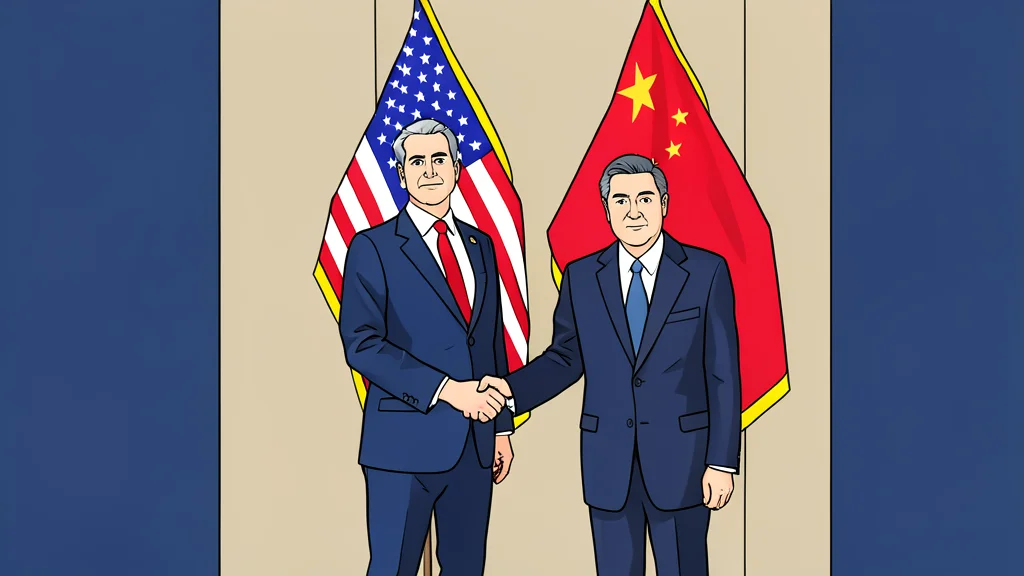
Treasury Secretary Scott Bessent says the US is proposing a new mechanism to notify Washington and Beijing about significant AI safety risks ahead of a summit.
Key points
- US Treasury Secretary Scott Bessent is proposing an AI safety notification system for the US and China.
- The proposal is intended to be discussed at the upcoming summit between President Trump and Xi Jinping.
- The plan faces challenges in defining safety risks and lacks enforceable penalties for non-compliance.
Treasury Secretary Scott Bessent announced that the United States is preparing a new proposal for an artificial intelligence safety notification system. The plan is intended to be presented to President Donald Trump and Chinese leader Xi Jinping during their upcoming summit in Washington.
According to reporting by NBC News, this diplomatic move aims to establish a direct channel for sharing critical information about AI developments. The discussion reflects a growing effort to coordinate international responses to the rapid evolution of the technology.
A direct channel for safety alerts
The proposed mechanism would allow both nations to inform each other about significant safety concerns related to AI models. This approach suggests a shift toward structured communication rather than ad hoc diplomatic exchanges. However, the specific technical details of how these notifications would be triggered and verified remain unclear.
Establishing such a protocol requires both sides to agree on what constitutes a reportable safety incident. Without a shared definition of risk, the system could suffer from inconsistent reporting. This ambiguity represents a major hurdle in making the proposal functional.
Diplomatic stakes in technology governance
The timing of this proposal coincides with broader debates in the United States about AI regulation. Several state and federal officials have recently called for guardrails that do not halt development. The federal government is attempting to align these domestic concerns with international diplomacy.
Critics argue that relying on voluntary notification systems lacks enforceability. Unlike trade agreements, there are few tangible penalties for a country that chooses not to share safety data. This trade-off between cooperation and sovereignty is central to the current diplomatic landscape.
Challenges in verifying AI risks
A significant catch in the proposal is the difficulty of objectively verifying AI safety claims. Different nations may have varying standards for what constitutes a dangerous model behavior. This divergence could lead to disputes over the validity of shared notifications.
Furthermore, the speed of AI development often outpaces diplomatic processes. By the time a notification is formally processed, the technological landscape may have already shifted. This lag highlights the inherent tension between agile innovation and cautious governance.