AI Model Predicts Breast Cancer Drug Responses Using Protein Dynamics
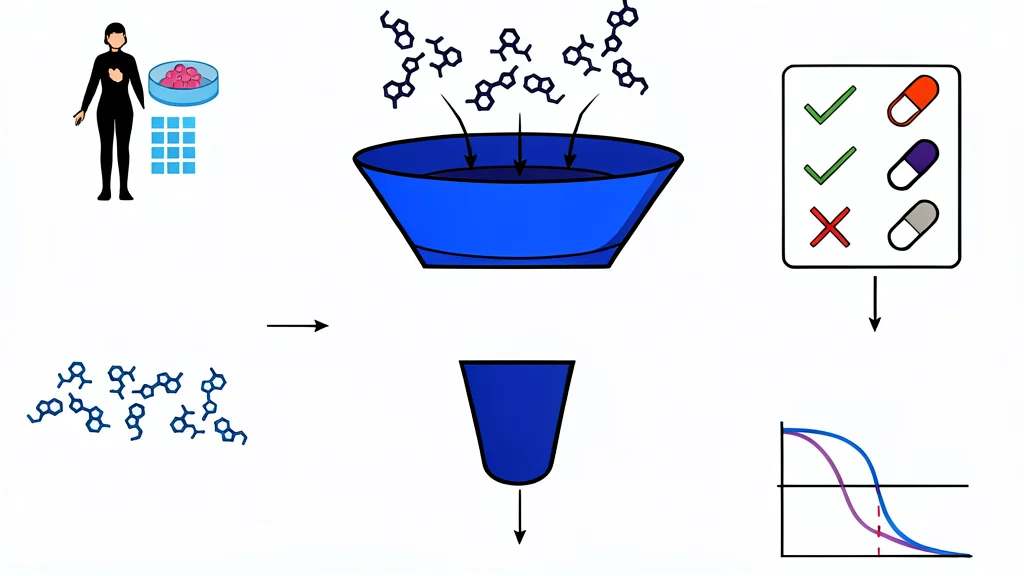
A new AI tool called ProteinTalks analyzes how proteins change over time to predict which drugs will work for specific breast cancer cells, potentially reducing the trial-and-error phase of treatment.
Finding the right medication for a specific cancer cell is often a process of trial and error that can take years. A new artificial intelligence tool named ProteinTalks aims to shorten this process by predicting whether a drug will be effective against a particular cancer cell line. Unlike previous models that treat cell behavior as a static snapshot, this system tracks how protein levels shift over time in response to treatment.
The approach relies on a massive dataset containing over 38 million protein measurements. Researchers followed breast cancer cells as they responded to 63 FDA-approved anticancer drugs and 59 two-drug combinations. By measuring cellular states before treatment and again at 6, 24, and 48 hours, the team created a time-resolved map of how proteins drive drug responses and resistance.
Tracking cellular responses over time
Most existing AI models for drug discovery look at gene activity or static protein counts, missing the dynamic changes that occur inside a cell. ProteinTalks addresses this gap by learning from protein-response trajectories. This allows the model to simulate how a cell changes its behavior as a drug takes effect, providing a more accurate picture of therapeutic potential.
According to a report published in Nature, the tool outperformed traditional machine-learning methods and other AI models based on gene activity. It successfully predicted responses to 81 anticancer compounds it had never encountered during training. The system also identified four drug pairs that showed a stronger combined effect against triple-negative breast cancer, an aggressive subtype that is difficult to treat due to a lack of hormone receptors.
Identifying drivers of drug resistance
Proteins are the primary drivers of a cell's behavior, so tracking their fluctuations reveals how resistance develops. The model pinpointed specific proteins linked to drug resistance, such as AKR1C3. When researchers reduced the activity of this protein, cancer cells became sensitive again to docetaxel, a common chemotherapy medication. This finding was confirmed through laboratory assays, demonstrating that the AI can identify biological mechanisms behind treatment failure.
The tool’s capabilities extend beyond breast cancer. Although trained on breast cancer cell lines, ProteinTalks accurately predicted cell responses for lung, colorectal, pancreatic, and melanoma cancers. This cross-cancer applicability suggests that the underlying principles of protein dynamics are universal, making the tool a versatile resource for researchers exploring treatments across different tumor types.
Personalizing treatment for individual patients
The platform analyzed unique protein signatures in 501 triple-negative breast cancer tumors. By grouping patients based on their risk of recurrence and long-term survival outcomes, the researchers could screen more than 3,000 repurposed drugs against patient-derived organoids. These mini-tumors mimic individual cancers, allowing for highly personalized drug candidate selection.
As reported by GN technics/ai (en-US), the system identified drug candidates that could kill tumor cells at far lower doses than standard chemotherapy. It also generated a new list of promising drug combinations that work synergistically. While this represents a significant step toward precision medicine, the trade-off is the complexity of the data required. The model depends on high-quality, time-resolved protein data, which remains expensive and difficult to generate in standard clinical settings.