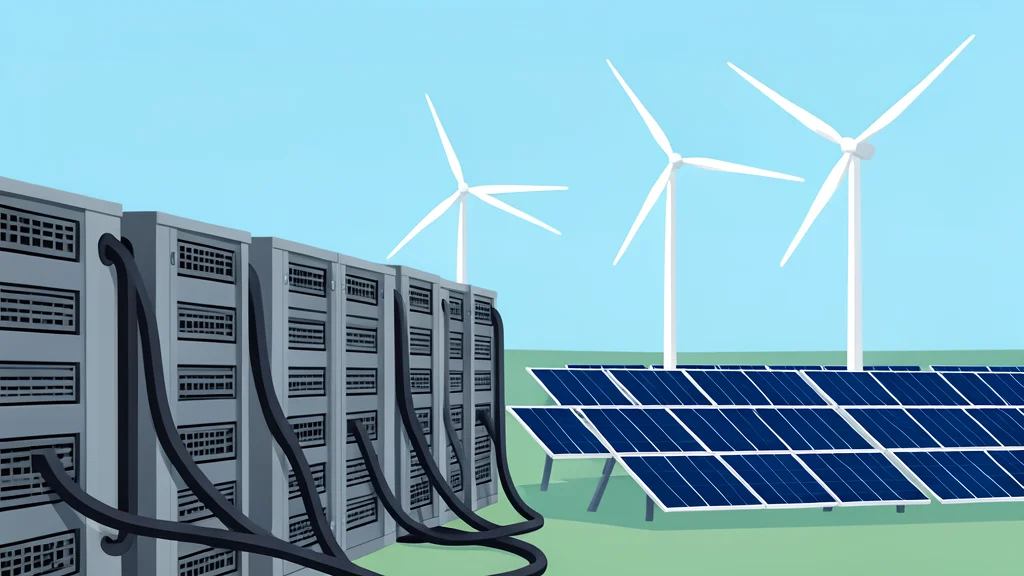
Arizona's Chip Boom Faces a Water Crisis
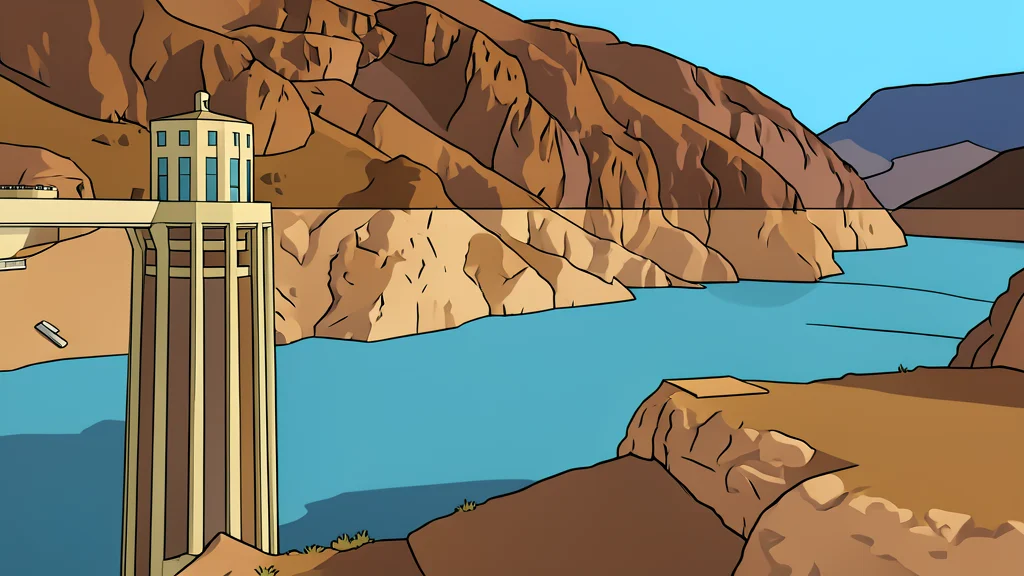
A recent federal ruling threatens to cut Arizona's water supply by a quarter, creating a direct conflict between the state's expanding semiconductor industry and its agricultural heritage.
Arizona is set to lose more than a quarter of the water it typically draws from the Colorado River, a critical resource for the region's growing economy. This reduction follows a federal decision on how to manage the river's dwindling flows, which will disproportionately affect the state's desert communities and its major industrial sectors.
The situation creates a tense standoff between two powerful economic forces: the legacy of agriculture and the new era of advanced chip manufacturing. As companies like TSMC and Intel build massive facilities to produce chips for artificial intelligence, they are entering a landscape where water is becoming both scarce and significantly more expensive.
Manufacturing giants drive water demand
The semiconductor industry has deep roots in Arizona, but its scale is expanding rapidly with federal support. Under the CHIPS and Science Act, Intel and TSMC are investing billions of dollars in new factories. These facilities require vast amounts of ultra-pure water to clean surfaces and etch sensitive microchips, a process that is incredibly thirsty.
The trade-off is steep. Creating a small amount of ultra-pure water requires a large volume of municipal water through complex purification processes. A typical facility may use ten million gallons of pure water daily, which can necessitate up to sixteen million gallons of raw water. For context, TSMC’s first Arizona fab uses roughly 4.75 million gallons a day, equivalent to the usage of more than 14,000 homes.
Agriculture remains the primary water user
Despite the high profile of tech companies, the chip industry accounts for only about six percent of Arizona's total water use. Agriculture, a cornerstone of the state's economy since its founding, still consumes over seventy percent of available water. This disparity is at the heart of the current political and economic debate.
Experts note that the economy is shifting, forcing a reevaluation of which sectors provide the most value to the community. The catch is that while tech offers high-paying jobs and future growth, agriculture provides essential food production and cultural continuity. Deciding who should shoulder the costs of adapting to scarcity is becoming a bitter dispute.
Recycling efforts face rising costs
To mitigate this strain, manufacturers are turning to recycling. TSMC currently recycles sixty-five percent of its water and aims to reach ninety percent with new infrastructure. However, building these water reclamation plants is costly, and the burden of adaptation is falling on both companies and residents.
As reported by The Verge, the challenge is not just about technology but about economics. With AI demanding more computing power and thus more chips, water demand will likely rise. The state must now navigate a future where water is a scarce commodity, balancing the needs of a modern tech hub with the realities of a dry desert environment.