Australia's Data Center Buildout Faces Resource Limits
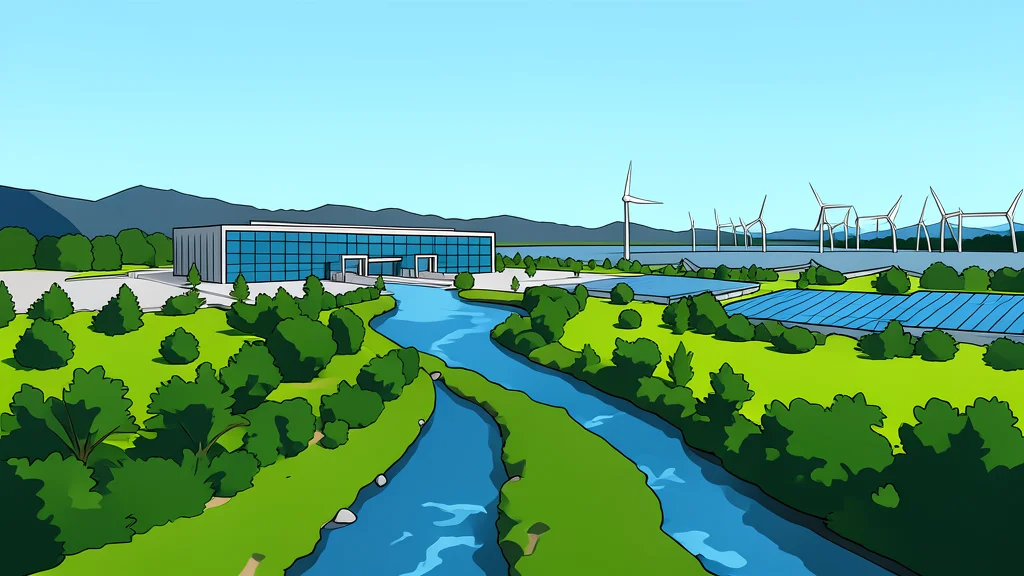
Australia is accelerating its construction of data centers to support AI growth, but this expansion brings significant strain on electricity, water, and land. New legislation planned for 2027 seeks to balance these technological demands with national sustainability goals.
Australia is currently experiencing a rapid surge in data center construction as the demand for artificial intelligence services climbs. These facilities, which house the servers powering modern digital tools, require substantial amounts of electricity, water, and land to operate. While this infrastructure is essential for economic growth, it also places heavy pressure on local resources and community services.
The federal government is drafting national legislation expected to take effect in early 2027 to regulate this expansion. The primary goal is to ensure that the growth of the data center sector does not come at the expense of environmental sustainability or public utility stability. Regulators are focusing on how these facilities source their power, manage their water usage, and integrate into existing grid systems.
Energy demands strain the grid
Electricity is the most critical resource for these facilities, and the current model of growth poses a challenge to Australia's climate commitments. The federal government has proposed that new data centers must match their electricity demand with new renewable generation. This includes using reliable backup power sources for times when renewable supply is low, a concept known as firming.
However, there is disagreement on how strictly these rules should be applied. While most states support the renewable-first approach, Queensland and the Northern Territory are advocating for flexibility to use fossil fuels as a primary or backup power source. Without strict oversight, the increased energy load from data centers could compromise the country's ability to meet its broader environmental targets and increase costs for other consumers.
Water usage becomes a key concern
Beyond power, water consumption is emerging as a major issue, particularly for server cooling systems. Sydney Water has projected that data centers could require up to 250 megalitres of water per day by 2035. To address this, industry standards are being developed to mandate the use of efficient technologies that significantly reduce reliance on primary water sources.
New rating systems are being introduced to ensure that data centers meet high standards for both energy and water efficiency. By requiring top-tier ratings for both resources, regulators aim to force the adoption of closed-loop cooling systems and other water-saving designs. This approach ensures that the rapid expansion of computing power does not deplete local water reserves needed for other community uses.
Strategic location reduces local pressure
The geographic placement of data centers is also under review. Currently, most facilities are clustered in major cities like Sydney and Melbourne, which is straining local power grids and increasing costs for consumers. Moving some of these projects to regions with spare grid capacity could ease this pressure and utilize renewable energy that might otherwise be wasted.
According to GN auto tech/cloud: data center expansion, strategic site selection can help stabilize the grid by smoothing out demand peaks. However, there is a trade-off: new data centers must not compete with other industrial sectors for the same renewable energy supply. If they do, it could drive up energy costs and slow down the broader transition away from fossil fuels across the economy.