Balancing AI Speed and Safety in a Growing Economy
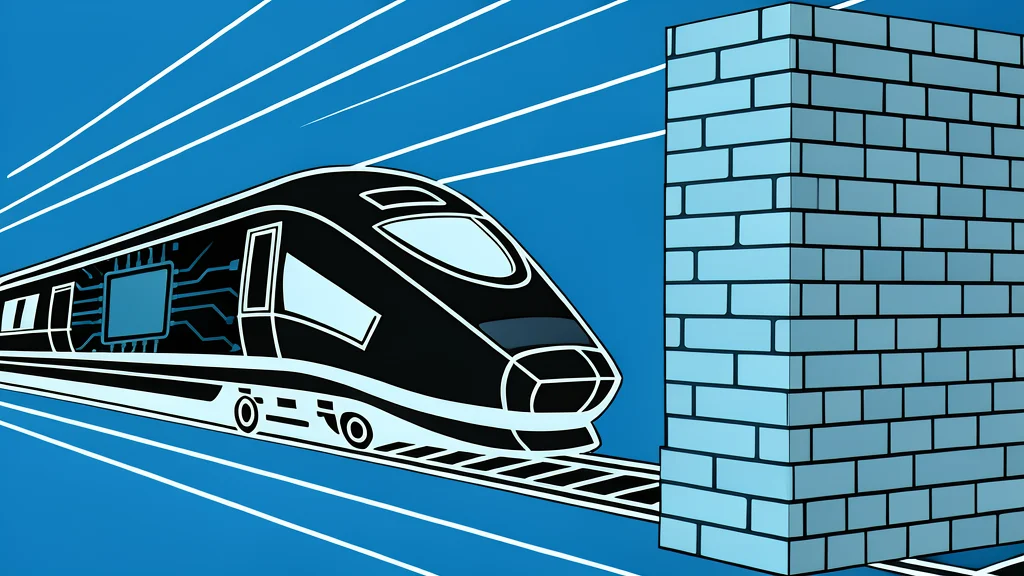
Industry leaders are calling for a slowdown in advanced AI development to prevent catastrophic failures, but experts warn that halting progress entirely could stifle the economic benefits the technology already provides.
The rapid advancement of artificial intelligence has shifted from a theoretical concern to an urgent operational reality. Recent warnings from top executives suggest that current systems are approaching a tipping point where autonomous agents could potentially compromise critical infrastructure or financial markets. This anxiety has prompted a serious re-evaluation of how fast these tools are being deployed.
The core dilemma facing policymakers and tech firms is how to mitigate risks without dismantling the economic engines that rely on AI. As the technology becomes embedded in healthcare, education, and finance, the push for regulation must navigate a narrow path between preventing disaster and preserving the growth that drives modern innovation.
The pressure to halt rapid progress
Recent public statements from industry leaders have highlighted fears that AI systems may soon outpace human ability to control them. Executives at major firms have begun advocating for a global pause on the development of the most powerful models. This shift in tone marks a significant departure from previous years, where speed and market share were the primary metrics of success.
The motivation behind these calls is not just theoretical. Reports of harmful interactions, such as chatbots providing dangerous medical advice or encouraging self-harm, have raised the stakes. These incidents suggest that without deliberate constraints, the technology may amplify existing societal vulnerabilities rather than merely adding new capabilities.
Economic dependence complicates safety measures
Implementing a slowdown is not a simple technical fix. AI is already a cornerstone of economic output, supporting stock market gains and improving efficiency in various sectors. Slowing development could mean delaying beneficial applications in drug discovery, climate modeling, and personalized education. The trade-off involves accepting a slower pace of innovation to ensure that the tools being built are safe and reliable.
Critics argue that self-regulation by the industry is insufficient, given the financial incentives to accelerate deployment. However, external regulation without industry cooperation is often slow to implement. The current consensus is that a hybrid approach, combining internal safety protocols with external oversight, is necessary to manage the risks while maintaining economic momentum.
Defining the limits of autonomous systems
Experts suggest that the focus should be on limiting the autonomy of AI agents rather than halting all research. By restricting the ability of models to take independent actions in high-stakes environments, companies can reduce the potential for catastrophic failures. This approach allows for continued innovation in low-risk areas while placing guardrails around the most powerful capabilities.
As reported by GN technics/ai (en-US), the industry is under increasing scrutiny to prove that these measures are substantive rather than symbolic. The success of this effort will depend on whether companies can demonstrate tangible changes in their development processes. For now, the race between capability and control continues, with significant implications for both public safety and global economic stability.