Resident Evil Movie Swaps Iconic Characters for Gameplay Mechanics
Zach Cregger’s new film ditches the franchise's famous protagonists to focus on the tight, resource-scarce tension of the original video games, offering a fresh take on the zombie outbreak for long-time fans.
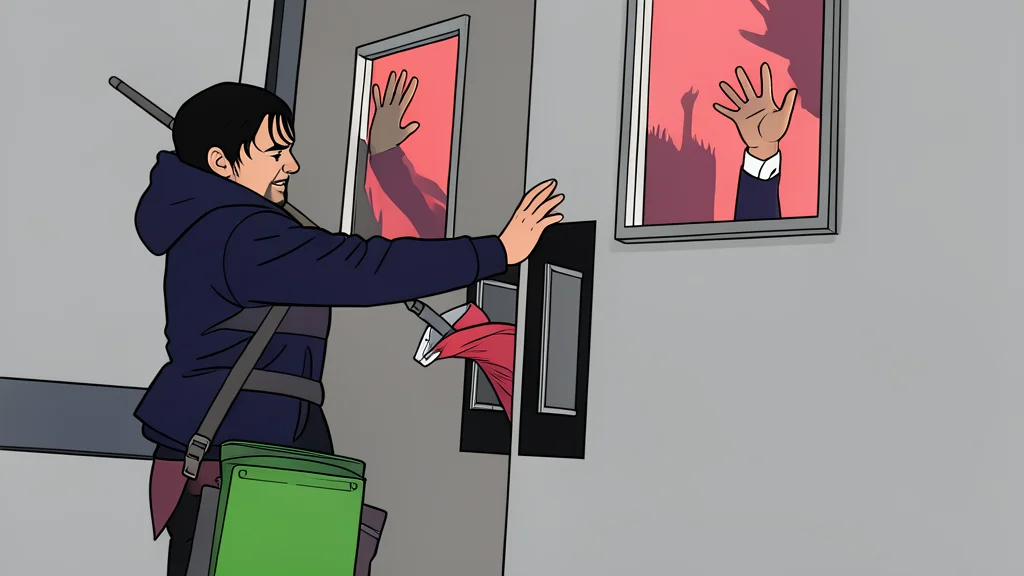
Zach Cregger’s latest film, Resident Evil, takes a deliberate step away from the familiar faces of the video game series. Instead of centering the narrative on iconic characters like Leon Kennedy or Jill Valentine, the movie follows Bryan, a bumbling medical courier played by Austin Abrams. He finds himself trapped in the middle of a viral outbreak in Raccoon City, forced to survive against monsters that sprout tentacles and chomp flesh. While this choice has sparked debate among purists who expected the return of the franchise's established heroes, Cregger argues that the film is set on the actual day of the city’s fall, allowing for a more intimate and grounded survival story.
According to reporting from Entertainment Weekly, the director drew more inspiration from the gameplay mechanics of the 30-year-old Capcom franchise than from its lore. The film is described as non-canon, meaning it does not advance the official storyline of the games, but it aims to replicate the specific feeling of playing them. By focusing on a single, vulnerable protagonist rather than a team of special forces, the movie emphasizes the isolation and scarcity that define the player experience in the survival horror genre.
Camera Angles Mirror Player Perspective
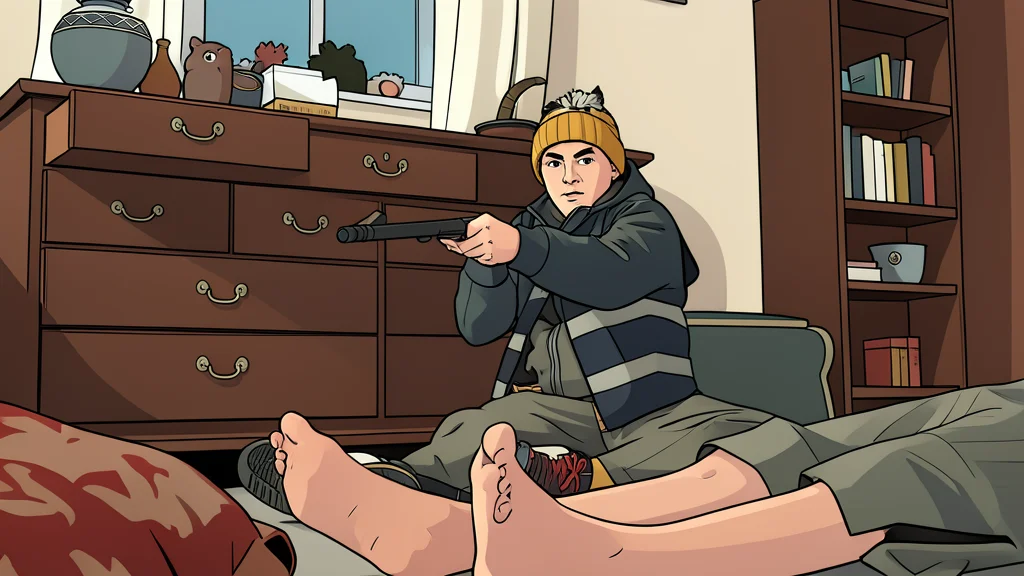
One of the most noticeable ways the film bridges the gap between screen and screen is through its cinematography. Cregger frequently utilizes over-the-shoulder shots and first-person point-of-view angles, mirroring the limited field of view found in the games. This technique creates a sense of claustrophobia and tension, forcing the audience to navigate dark corners and wreckage alongside Bryan. In several scenes, the camera frames the action through the front sight of Bryan’s gun, explicitly referencing the aim mechanics that players use to track threats in the dark.
This visual strategy serves to heighten the jump scares and the general atmosphere of dread. By restricting what the viewer can see, the film replicates the anxiety of hunting for hidden enemies in a video game. The close proximity of the camera to the character makes every creak and shadow feel more immediate, capturing the specific type of suspense that comes from limited visibility and slow movement.
Scarcity Drives Narrative Tension
A central theme of the movie is the harsh reality of limited resources. Much like in the games, where players often start with only a pistol and a knife, Bryan is ill-equipped for the scale of the threat he faces. The film highlights the limitations of these weapons, particularly when facing multiple enemies at once. A key moment underscores this struggle when Bryan shoots a zombie, believing it dead, only for it to rise again, echoing the frustrating gameplay loop of the 2002 remake where players had to destroy zombie heads to ensure they stayed down.
The narrative also emphasizes the critical need to conserve ammunition. The film mirrors the game mechanic of searching every possible location for spare bullets, including unexpected places like bathrooms or drawers. This attention to detail is designed to resonate with players who understand the value of every single shell. During the climax, this scarcity becomes a driving force, forcing Bryan to make difficult choices about when to fire and when to flee, a trade-off that adds significant weight to the action sequences.
Homages Serve Specific Purposes
Beyond mechanics, the film is peppered with visual callbacks and Easter eggs intended to delight longtime fans of the series. These references are integrated into the set design and props, creating a world that feels familiar to those who have spent decades exploring the digital halls of Raccoon City. However, the inclusion of these elements comes with a trade-off: by avoiding the main characters, the film may feel less immediately recognizable to casual viewers who are less familiar with the specific nuances of the gameplay.
As reported by GN auto tech/entertainment, this approach prioritizes the tactile experience of the franchise over its narrative legacy. While some fans may miss the presence of beloved figures like Barry or Wesker, Cregger’s method offers a fresh perspective on the outbreak. The result is a film that functions as both a horror movie and a love letter to the mechanics that defined the genre, proving that the tension of survival can be translated effectively from a controller to a cinema screen.