CoreWeave Raises $3.7B in Low-Cost Debt for AI Cloud Growth
The AI infrastructure firm has priced a larger-than-expected bond deal to fund its expanding data centers, betting on a future where its stock price justifies the terms.
CoreWeave has finalized a $3.7 billion private offering of convertible senior notes, a deal that expanded from an initial $3 billion target to meet strong investor demand. This capital injection is designed to fuel the company’s aggressive expansion in artificial intelligence cloud infrastructure, allowing it to secure the expensive hardware and data center space required to serve AI labs and enterprises. The transaction settles in September 2026, providing the company with a significant war chest to outpace competitors in a market where computing power is the primary currency.
The new notes carry a low annual interest rate of 2.875%, a figure that stands in stark contrast to the 8.5% to 9.75% rates on the company’s existing traditional debt. This structure allows CoreWeave to borrow at a lower cash cost, preserving liquidity for operational needs. However, the trade-off is embedded in the conversion mechanism: if the company’s stock price rises significantly, these bonds can be exchanged for shares, potentially diluting the ownership stake of current shareholders unless specific protective measures are triggered.
Low interest masks potential dilution
To mitigate the risk of dilution, CoreWeave has allocated approximately $498.8 million of the proceeds to purchase capped call transactions. These financial instruments act as a hedge, limiting the number of new shares that must be issued if bondholders convert their notes. The initial cap price is set at $199.70 per share, which is a 150% premium over the company’s recent closing price. This structure protects existing investors from significant equity erosion in a bull market scenario, ensuring that the cost of capital remains manageable even if the stock performs well.
The initial conversion price is set at approximately $97.85 per share, representing a 22.5% premium to the market price at the time of pricing. This premium means that for the conversion feature to be exercised by investors, the stock must rise substantially above its current level. If the stock does not meet this threshold, the bonds remain as debt, requiring CoreWeave to make semiannual interest payments until 2033. This creates a complex financial landscape where the company’s future equity value is directly linked to its ability to manage this debt load.
Funding the physical demands of AI
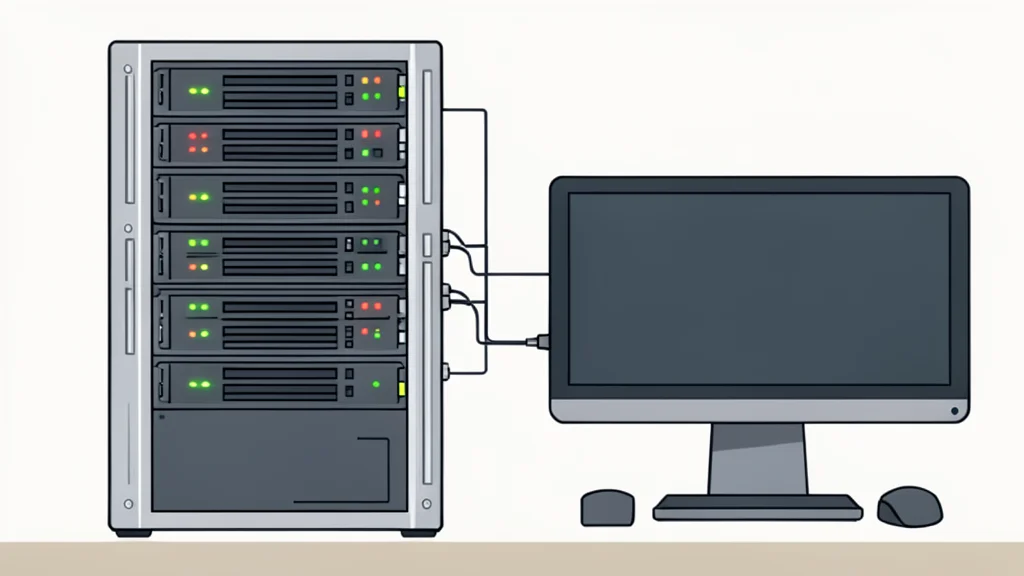
The primary use of these funds is to support the capital-intensive nature of the AI infrastructure market. Operators must invest heavily in high-performance GPUs, extensive networking equipment, and robust power systems to handle the demanding workloads of modern AI models. As reported by GN auto tech/cloud, the scale of this financing reflects the immense barrier to entry in this sector. CoreWeave aims to leverage this capital to build a competitive advantage by offering specialized cloud resources that general-purpose providers may not be able to match in terms of performance and speed.
The company, which listed on the Nasdaq in March 2025, is positioning itself as a critical node in the global AI supply chain. By raising this amount of long-duration capital, CoreWeave signals its intent to sustain heavy investment over the next decade. The flexibility to settle conversions in cash, shares, or a combination thereof provides the company with strategic options to manage its balance sheet as market conditions evolve. This approach allows for better control over cash flow while maintaining the optionality to issue equity if the market values the company higher.
Strategic flexibility for long-term growth
In addition to the base offering, CoreWeave has granted initial purchasers an option to buy up to an additional $500 million in notes. If exercised in full, the total net proceeds could reach approximately $4.14 billion. This additional capacity provides the company with further room to accelerate its buildout without returning to the capital markets immediately. The deal highlights a broader trend in the tech industry, where specialized infrastructure providers are using hybrid financial instruments to balance the high upfront costs of hardware against the long-term revenue potential of AI services.
The success of this strategy depends on the company’s ability to convert its infrastructure into sustained, high-margin revenue. While the low coupon rate is an immediate financial benefit, the ultimate test will be whether the expanded capacity attracts enough enterprise and startup clients to justify the debt burden. CoreWeave’s move underscores the shifting dynamics of the cloud market, where competition is no longer just about software features, but about who can deliver the most powerful and reliable computational resources for the next generation of AI applications.