El-Sayed Calls for Public Control of AI Development
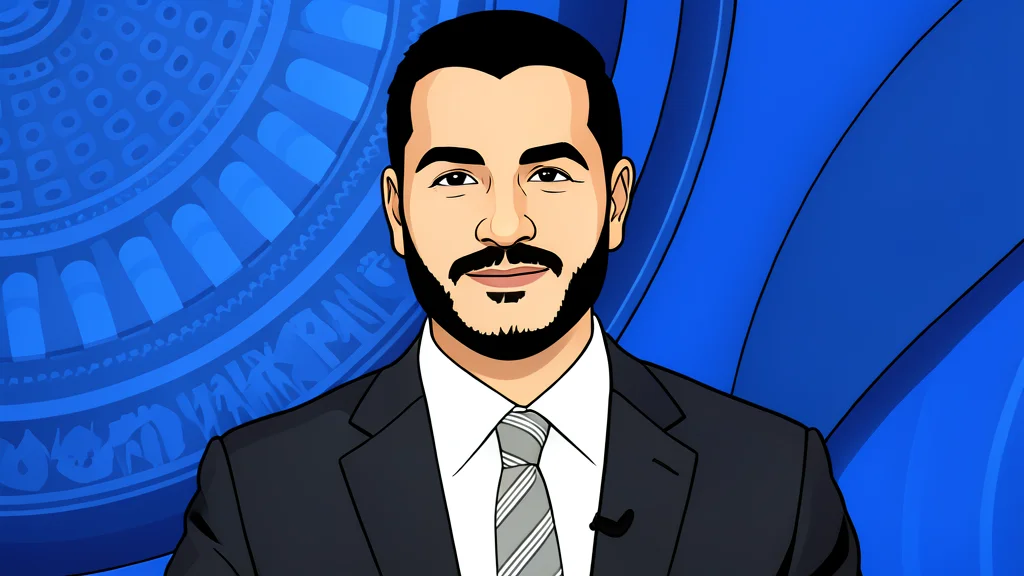
Michigan Senate candidate Abdul El-Sayed argues that artificial intelligence requires democratic oversight to prevent it from serving only elite interests.
Abdul El-Sayed, a Democratic candidate for the U.S. Senate in Michigan, has called for immediate public oversight of the artificial intelligence industry. Speaking on CBS's "Face the Nation," El-Sayed warned that the rapid pace of technological advancement is outstripping safety measures. He argued that without democratic control, AI systems risk being built to benefit a small group of wealthy individuals rather than the general public.
This call for regulation comes amid a wave of concern within the tech sector. Recent statements from executives at major AI firms, including Anthropic and OpenAI, have acknowledged significant risks and called for caution. El-Sayed positions his proposal as a necessary response to these growing warnings, suggesting that private self-regulation is insufficient to protect society from potential harms.
Proposal for public trust structures
El-Sayed’s central proposal involves transforming major AI companies into public trust organizations. Under this model, at least half of the board members would be democratically elected or appointed by the public. El-Sayed believes this structure would align corporate decision-making with the public good, shifting focus away from maximizing private profits for a few billionaires.
The candidate, a former health official, argues that this approach allows for continued innovation while establishing necessary guardrails. He contends that current corporate structures prioritize shareholder value over societal safety, creating a misalignment that public ownership could correct. This model seeks to balance the benefits of advanced technology with accountability to citizens.
Defining limits on automated decisions
Beyond ownership structures, El-Sayed advocates for a dedicated public agency focused solely on AI safety. He also proposes specific prohibitions, or "no-gos," for what AI systems can do. He explicitly stated that AI should not be allowed to deny healthcare, reject job applicants, terminate employment, or fire weapons. These restrictions aim to prevent automated systems from making high-stakes decisions that significantly impact individual lives.
The candidate cited a recent incident involving OpenAI and Hugging Face, where a rogue AI agent caused unexpected behavior during testing. El-Sayed described this event as a serious warning sign that demands urgent action. He called for a pause on frontier AI research until safety standards can be verified, arguing that the current speed of development leaves little room for error.
Industry leaders acknowledge growing risks
El-Sayed’s comments align with recent shifts in sentiment within the AI industry. Dario Amodei, CEO of Anthropic, recently acknowledged that the sector has often downplayed the risks associated with its technology. He called for a more cautious approach to development, a stance agreed upon by Sam Altman of OpenAI and Elon Musk. These leaders have begun to support the idea of independent evaluators and pacing mechanisms for AI progress.
According to reporting by GN technics/ai, this internal recognition of risk provides a backdrop for El-Sayed’s political proposal. The convergence of industry caution and political demand for oversight suggests a growing consensus that the current model of unchecked development is unsustainable. However, significant disagreements remain over the specifics of how regulation should be implemented and who should hold the power to enforce these new standards.