EU Proposes Energy and Water Label for Data Centres
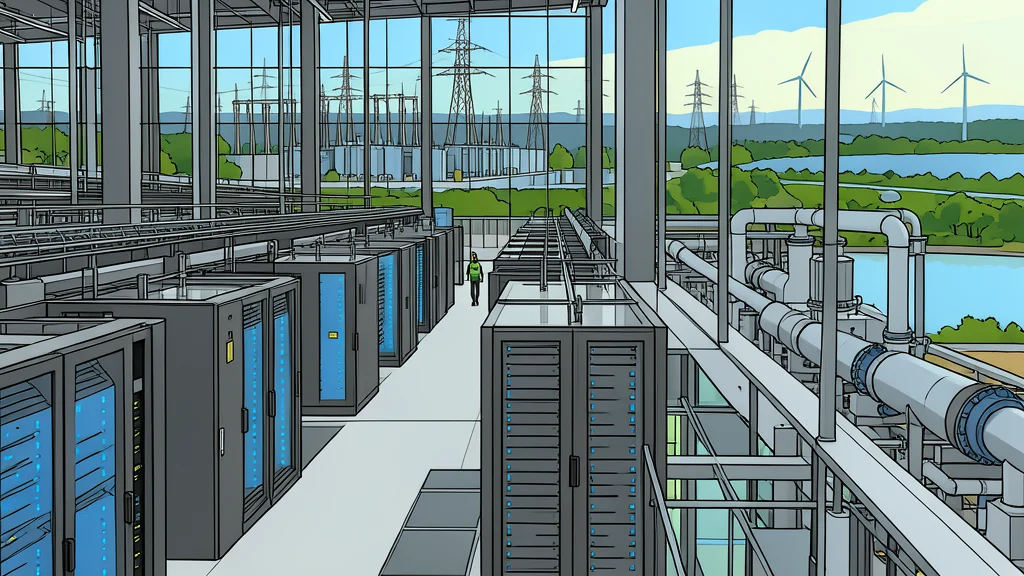
Brussels aims to make data centre resource use transparent as Europe plans to triple computing capacity, balancing digital growth with grid strain.
Key points
- The EU proposes a rating scheme for data centres over 500 kilowatts to disclose energy and water usage.
- EU data centre electricity use is expected to rise from 68 to 114 terawatt-hours by 2030.
- The scheme rewards facilities that adjust demand to grid conditions and reuse waste heat.
The European Commission has proposed a new rating scheme designed to standardize how data centres report their energy and water usage. This move addresses a growing tension: Europe is racing to expand its digital infrastructure for artificial intelligence, yet every additional server rack places significant strain on local power grids and water supplies.
According to reporting by Devdiscourse, the initiative targets facilities with a capacity above 500 kilowatts. The goal is to turn environmental performance into a visible metric, forcing operators to account for their physical footprint as the continent prepares for a rapid expansion in digital infrastructure.
Expansion creates physical grid limits
The EU plans to triple its data centre capacity within five to seven years to secure technological independence. However, this growth is not just a software upgrade; it is a physical demand on electricity networks. Data centres consumed roughly 68 terawatt-hours of electricity in 2024, a figure expected to jump to 114 terawatt-hours by 2030.
This increase represents more than 3% of the total EU electricity demand. The catch is that the power system must absorb this new load while simultaneously electrifying transport and industry. Without alignment with clean power goals, this expansion risks increasing carbon emissions and water consumption, creating a difficult equation for energy planners.
Rating scheme rewards grid flexibility
The proposed label goes beyond simple consumption metrics. It evaluates how facilities interact with the wider energy system, such as adjusting demand during peak grid congestion or reusing waste heat. This approach treats data centres not just as consumers, but as active participants in stabilizing a grid increasingly powered by wind and solar.
This flexibility is critical as Europe integrates more renewable energy. By shifting usage away from periods of high stress, data centres can reduce grid pressure. However, the trade-off is complexity: operators must invest in infrastructure that allows them to respond dynamically to grid conditions, rather than simply running at maximum capacity.
Waste heat offers heating potential
Another key component of the new assessment is the recovery of waste heat. The Commission estimates that reusing half of the heat generated by European data centres could provide energy equivalent to the heating needs of four million households. This turns a byproduct of computing into a valuable resource.
Yet, realizing this potential is not automatic. It requires nearby heating demand, suitable distribution networks, and significant investment in recovery systems. The label aims to make these capabilities comparable for buyers, but the benefit depends heavily on local infrastructure and the willingness of operators to integrate with district heating schemes.