FAA Launches AI Tool to Analyze Weather and Cut Flight Delays
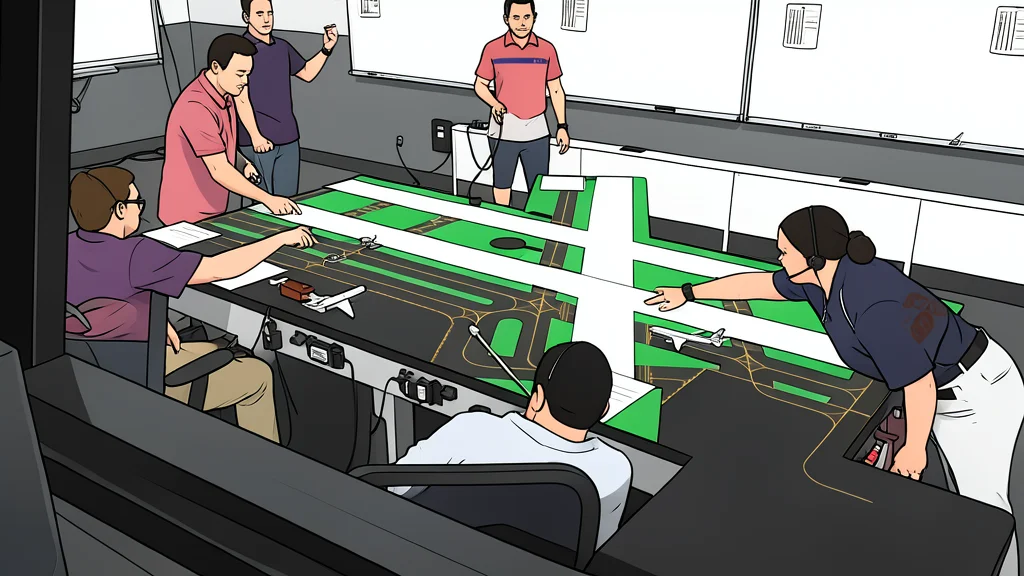
The FAA is deploying a new system to process weather and schedule data for smoother air traffic flow.
Key points
- The FAA is deploying an AI tool to analyze weather, schedules, and runway capacity to reduce delays.
- The system aims to help controllers make proactive adjustments to traffic flow rather than reactive fixes.
- The rollout requires training for controllers to integrate algorithmic advice with human judgment.
The Federal Aviation Administration is introducing a new artificial intelligence tool designed to mitigate flight delays across the United States. The system will synthesize data from weather patterns, airline schedules, and runway capacity to provide air traffic controllers with more precise guidance on managing traffic flow. CBS News reported on the rollout, highlighting the agency's effort to modernize its operations in response to persistent congestion issues.
System integrates real-time data streams
The core function of this new tool is to process complex, overlapping variables that typically cause bottlenecks at major airports. By analyzing how weather fronts interact with specific airline timetables and the physical limits of runway usage, the software aims to predict potential disruptions before they fully materialize. This allows controllers to make proactive adjustments rather than reacting to delays as they occur, potentially smoothing out the chaotic peaks of daily air traffic.
Trade-offs between automation and control
While the technology promises efficiency, it introduces a new layer of complexity for human operators. Controllers must now interpret and trust algorithmic recommendations alongside their own judgment, which requires significant training and adaptation. The primary catch is that AI systems can struggle with unpredictable, novel scenarios that fall outside their training data, meaning human oversight remains critical for safety and final decision-making.
Impact on passenger travel times
For travelers, the goal is a reduction in the cumulative hours lost to delays each year. If the tool successfully optimizes runway usage and reduces holding patterns, flights may depart and arrive closer to their scheduled times. However, the benefits are likely to be incremental rather than revolutionary, as air traffic congestion is driven by a mix of infrastructure limits, weather, and demand that no single software update can fully resolve.