Pope Leo XIV Addresses UNESCO on Global AI Safety Rules
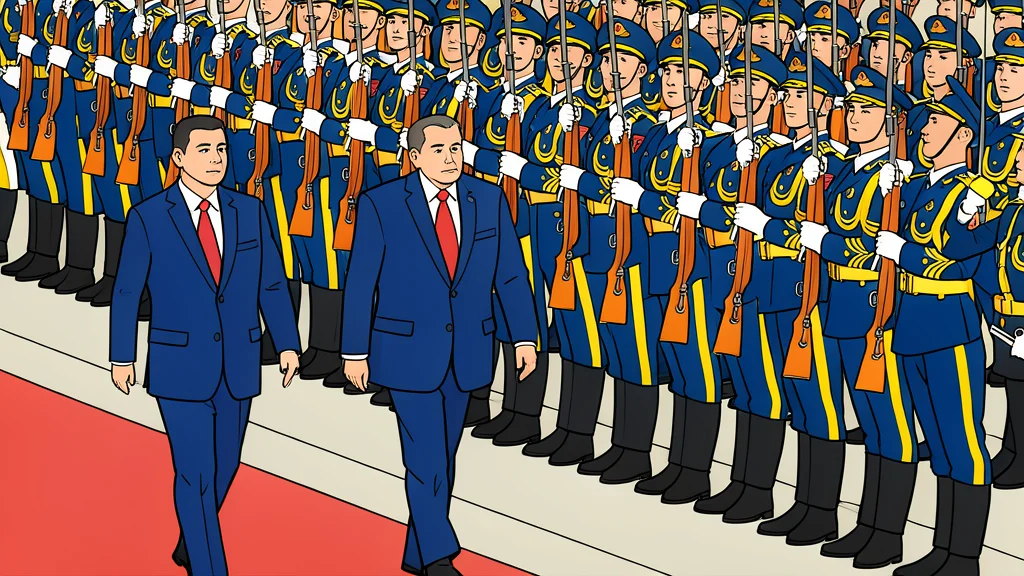
The pope urges international cooperation on AI safeguards while US and China debate regulatory approaches.
Key points
- Pope Leo XIV will address UNESCO in Paris to urge global AI safeguards.
- The visit follows a US-China summit where AI regulation was a key topic.
- The Vatican is coordinating with tech leaders and bishops to promote AI equity.
Pope Leo XIV is set to deliver a keynote address at UNESCO headquarters in Paris, marking the first papal visit to the organization in over four decades. The speech will focus on artificial intelligence, education, and peace, arriving just one day after a high-stakes summit between US and Chinese leaders. This timing places the Vatican directly in the center of a growing geopolitical debate over how to manage the rapid advancement of AI.
As the United States and China compete for technological supremacy, the Vatican is actively positioning itself as a moral mediator. According to Religion News Service, the church is using its diplomatic network to push for global standards that prioritize human dignity. This effort comes amid increasing calls from tech industry leaders for a slowdown in AI development due to safety concerns.
Vatican seeks diplomatic middle ground
The push for regulation occurs against a backdrop of sharply divided political views. While Chinese leadership has publicly endorsed international cooperation on AI safeguards, the US president has dismissed catastrophic warnings from tech executives as a hoax. This divergence creates a complex environment for global governance, where national interests often clash with collective safety goals.
John-Clark Levin, an AI researcher and advocate for Vatican involvement, suggests the pope could help revive bilateral engagement on safety. By appealing to UNESCO’s 194 member states, the Vatican aims to establish a framework that transcends the specific policy disagreements between Washington and Beijing. The goal is to create a unified standard that addresses the risks of rogue AI agents.
Church engagement extends beyond Paris
The pope’s address is part of a broader wave of Catholic diplomatic initiatives on technology. Archbishop Vincenzo Paglia, a former bioethics lead, is scheduled to speak at a major event in New York focused on AI equity. He recently held private meetings with Bill Gates, who has expressed fascination with the pope’s recent encyclical on the digital revolution.
Gates has pledged one billion dollars to combat AI inequality in the Global South, a priority shared by Pope Leo. Meanwhile, US bishops have held private meetings with tech executives to discuss concerns such as job losses. These parallel efforts indicate a coordinated strategy to influence both policy and corporate behavior through moral advocacy.
Trade-offs in global AI governance
The central challenge remains balancing innovation with safety. Tech companies face pressure to self-regulate, but critics argue this is insufficient given the potential for civilizational risks. The Vatican’s approach emphasizes the common good, arguing that unchecked technological growth can undermine human dignity and social stability.
However, achieving global consensus is difficult when major powers have competing economic interests. The US plan to withdraw from UNESCO at the end of 2026 adds another layer of complexity to these diplomatic efforts. Ultimately, the success of these safeguards will depend on whether political leaders accept the moral arguments for restraint over the drive for competitive advantage.